 EN
EN
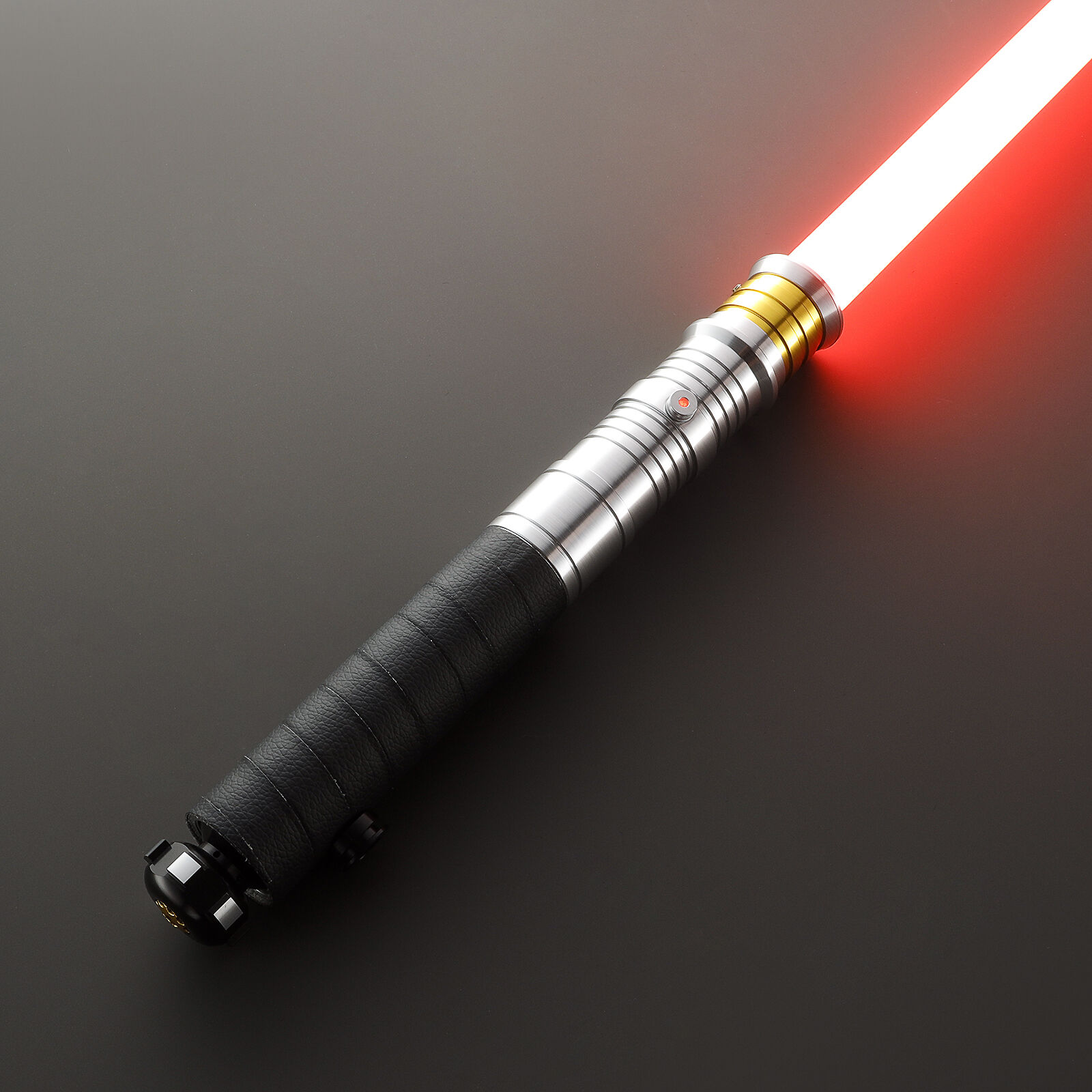
Lightsabers is cool weapons from Star Wars world that fans really love. They glow bright and make those awesome sounds when swing. But you ever wonder how they actually work? Let’s get into the fun side of lightsaber physics. When think about a lightsaber, you see that shining blade which can slice through most things. But what if we dig a bit deeper? How this special weapon really functions? The physics in lightsabers involve energy and light, making a blade that seem powerful and risky. So, we will discuss the issues with lightsaber physics and how to select the best one for yourself.
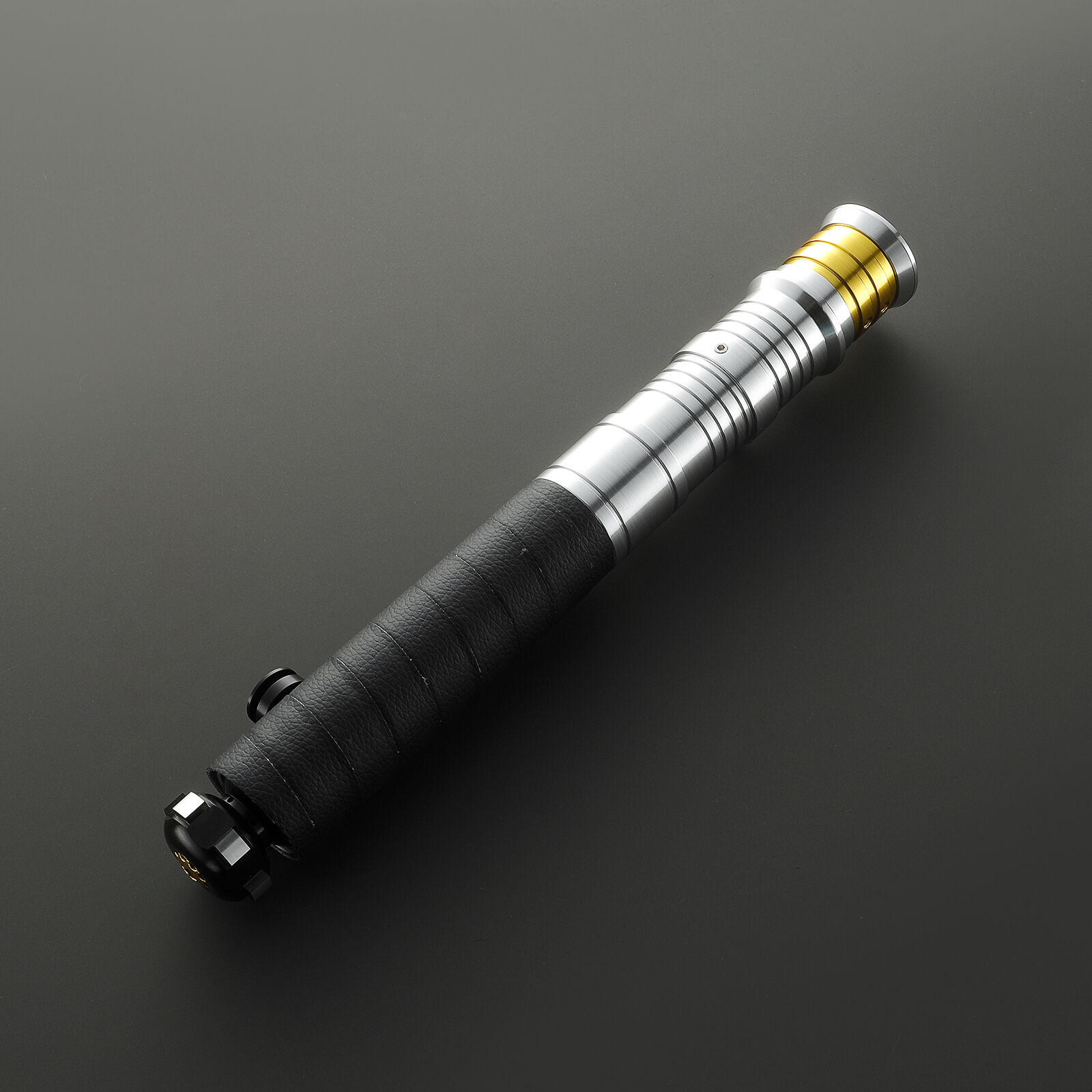
People often picture lightsabers as ideal tools that cut everything. However, many troubles arise when consider the physics of lightsabers. First off, let’s chat about the blade. A lightsaber blade suppose to be pure energy. But energy don’t usually form like a solid thing. So how explain that? Some fans think blades are plasma, a very hot gas that shine. But plasma tend to spread everywhere, not stay in a line. That lead to another problem: what occur when two lightsabers clash? If blades hit, there should be big boom or energy burst. But in films, they just clash with sound and hold shape! This isn’t real physics. Also, consider the weight. In movies, Jedi swing them like feather light. But real one would be heavy from energy, making quick swings tough! Last, the power source raise questions. Star Wars mention kyber crystals for power. But how small crystal hold so much for strong beam? These show lightsabers fun, but physics behind them tricky. For fans who want to explore more about lightsabers, you can check out the SITH LIGHTSABER for a glimpse into the dark side!