
 EN
EN

Lucasfilm’s Maul: Shadow Lord Redefines Star Wars Animation with Gritty Underworld Narrative and Sparks Merchandise Boom
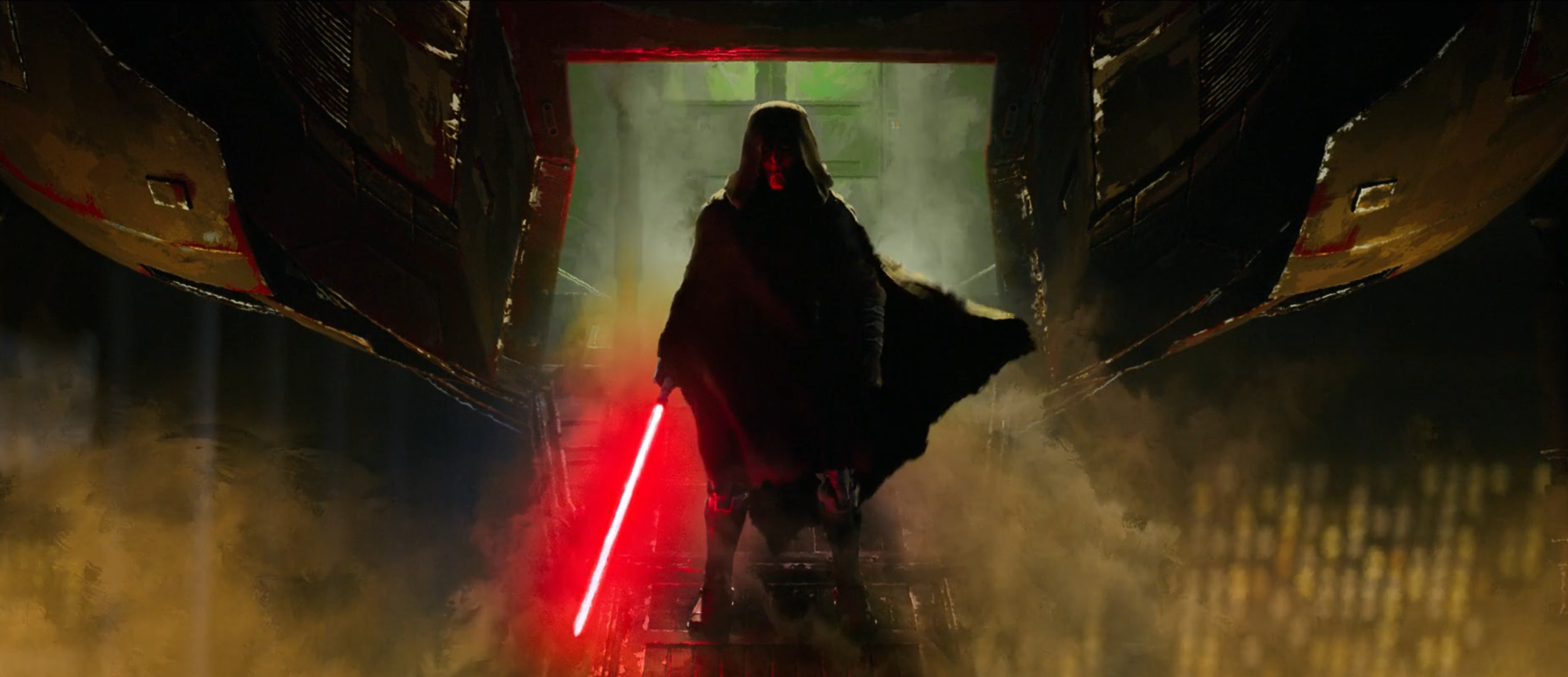
The most significant streaming news this week is undoubtedly the highly anticipated April 6 premiere of the brand-new animated series, Star Wars: Maul – Shadow Lord. Set in the dark era immediately following The Clone Wars, the series masterfully fills a crucial narrative gap. It follows the former Sith Lord as he evades the newly formed Galactic Empire and attempts to rebuild his criminal syndicate—the precursor to Crimson Dawn—on Janix, a gritty planet largely untouched by Imperial rule.
Created and developed by Lucasfilm’s Chief Creative Officer Dave Filoni and head writer Matt Michnovetz, the series made an explosive debut, securing a perfect 100% opening score on Rotten Tomatoes. Its early critical and commercial success is largely attributed to a precise shift in target audience and profound character exploration.
A Gritty "Cops and Robbers" Dynamic
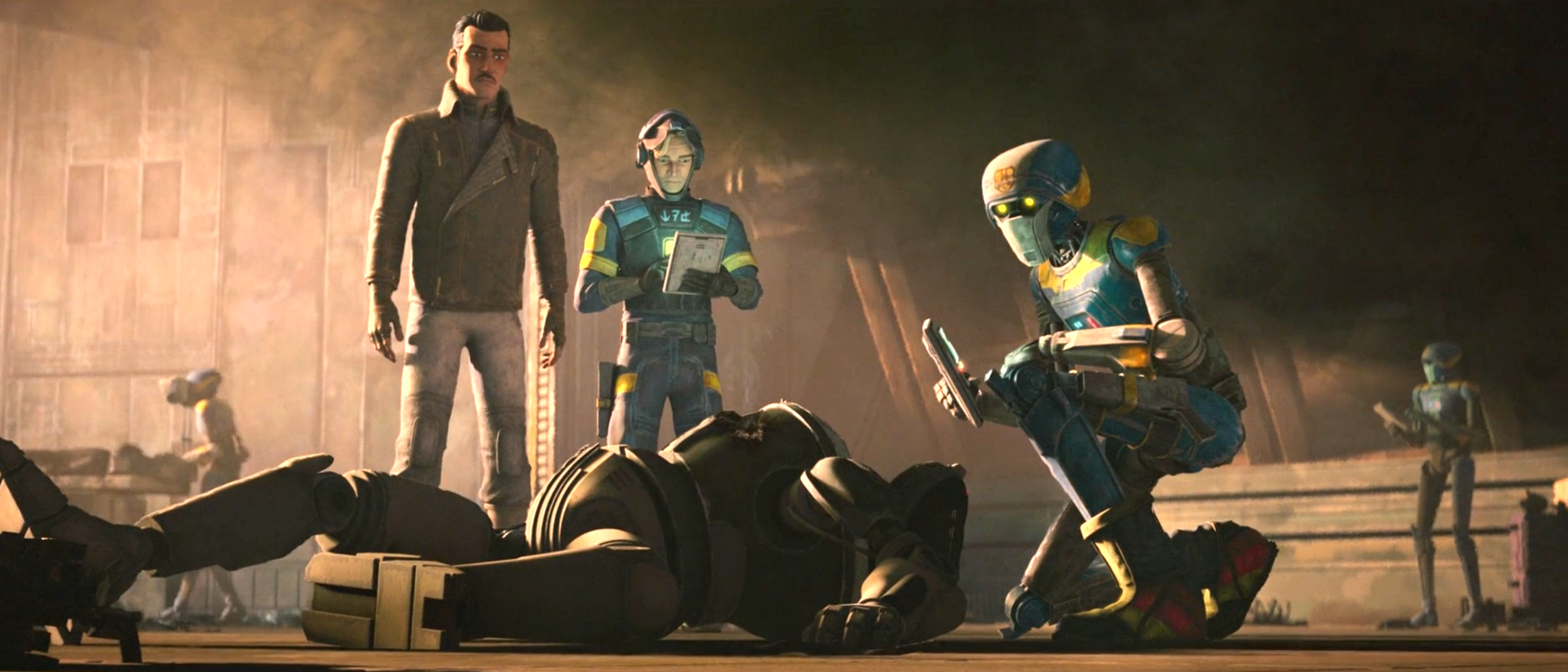
Rather than relying on the traditional Jedi vs. Sith binary, Shadow Lord pivots sharply into the seedy underbelly of gang warfare and crime syndicates. It introduces a serialized, "cops-and-robbers" dynamic rarely seen in Star Wars animation.
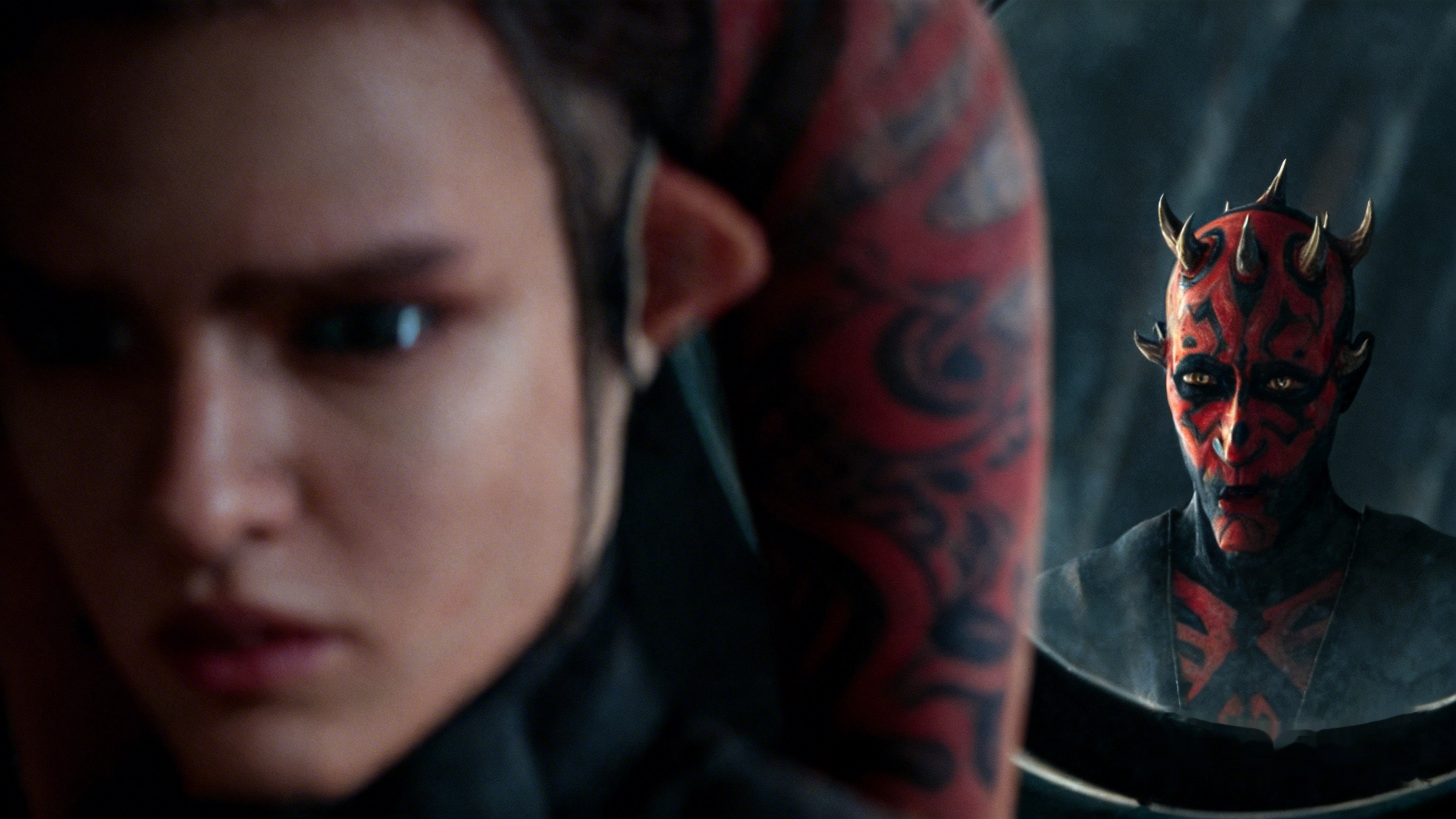
The voice cast is a major standout. Sam Witwer returns to deliver another chilling performance as the titular Maul. He is joined by an impressive roster of newcomers, including Oscar-nominated actor Wagner Moura as Brander Lawson, a morally conflicted local police detective trying to balance his crumbling personal life with the hunt for Maul. Richard Ayoade brings his signature dry wit to Two-Boots, Lawson's unique droid partner, while Gideon Adlon voices Devon Izara, a disillusioned young Twi'lek Jedi on the run. The morally gray, master-and-apprentice tension between Maul and Izara serves as the emotional anchor and core conflict of the series.
A Masterclass in Release Strategy
Beyond the narrative, Lucasfilm has deployed a highly ambitious and precise scheduling strategy designed to redefine consumer habits around "Star Wars Day." The 10-episode season releases two episodes weekly, meticulously calculating the schedule so the grand finale lands exactly on May 4th.
This brilliant maneuver transforms the traditional "backward-looking" nostalgic celebration of May the 4th into a "forward-looking" climax for a brand-new story. This not only maximizes the immediate commercial value of the holiday but also ensures exceptional user retention. Furthermore, official platforms like StarWars.com have been building momentum with deep-dive feature articles—such as the evolutionary history of Maul’s mechanical legs—solidifying the character's absolute center-stage position in this year’s Star Wars Day promotional matrix.

The "Maul Effect" Ignites an Explosive Merchandise Boom
The overwhelming popularity of the television series has cascaded into a massive retail victory for Disney and Lucasfilm. Driven by the show's dark appeal and striking visual design, the Star Wars consumer products division is experiencing a staggering surge in sales across all categories.
Retailers report that Hasbro’s The Black Series and The Vintage Collection action figures—particularly those featuring Maul’s new Janix underworld look and Brander Lawson—are selling out within minutes of being restocked. However, the most explosive growth has been in the role-play and replica weapons category. High-end replicas of Maul’s iconic double-bladed red lightsaber, including the newly updated Legacy Lightsaber hilts available at Disney Parks and online storefronts, have seen astronomical demand, leading to widespread global stock shortages. Industry analysts are already dubbing this phenomenon the "Maul Effect," noting that the series has successfully revitalized the collector market and engaged a new generation of fans eager to own a piece of the Shadow Lord's legacy.