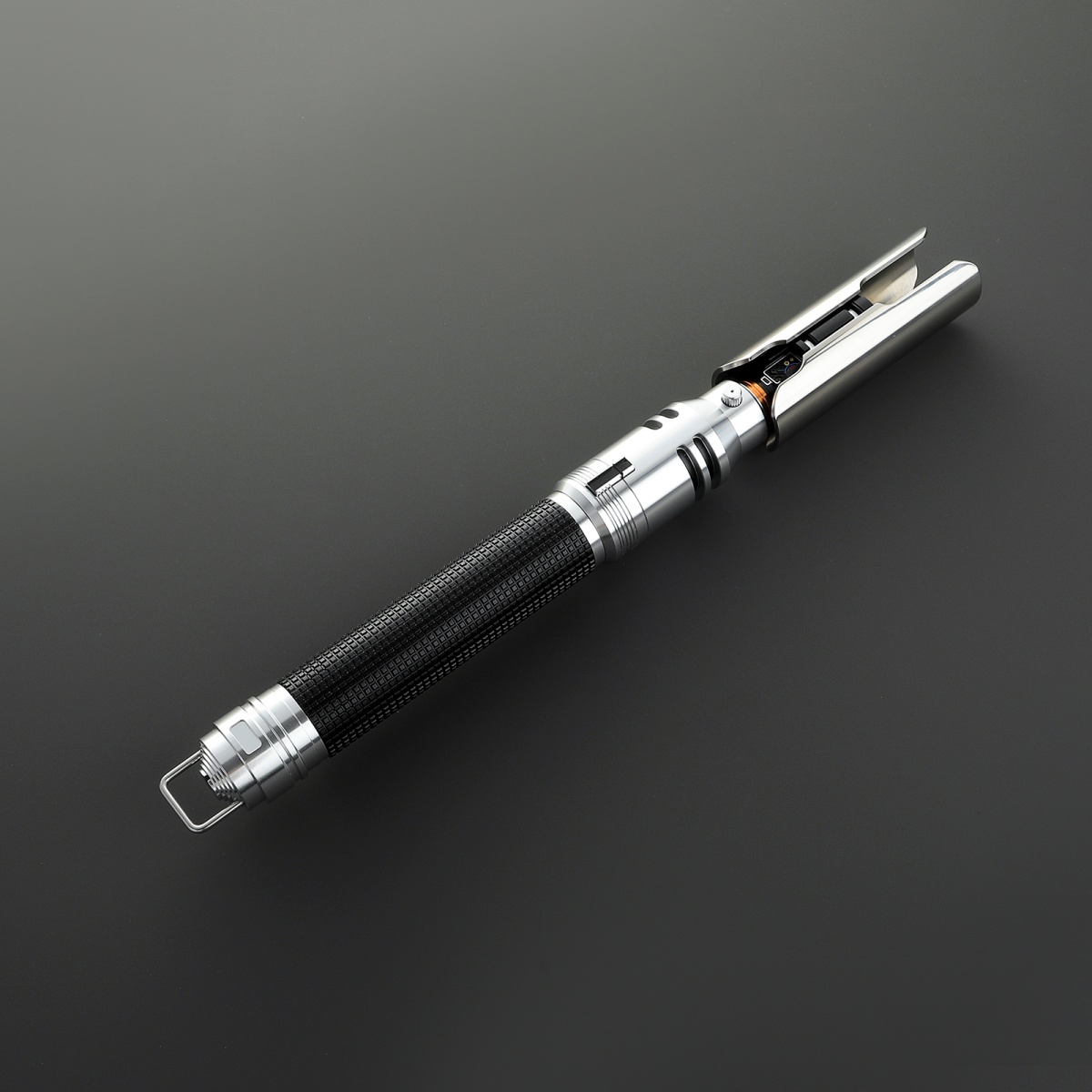
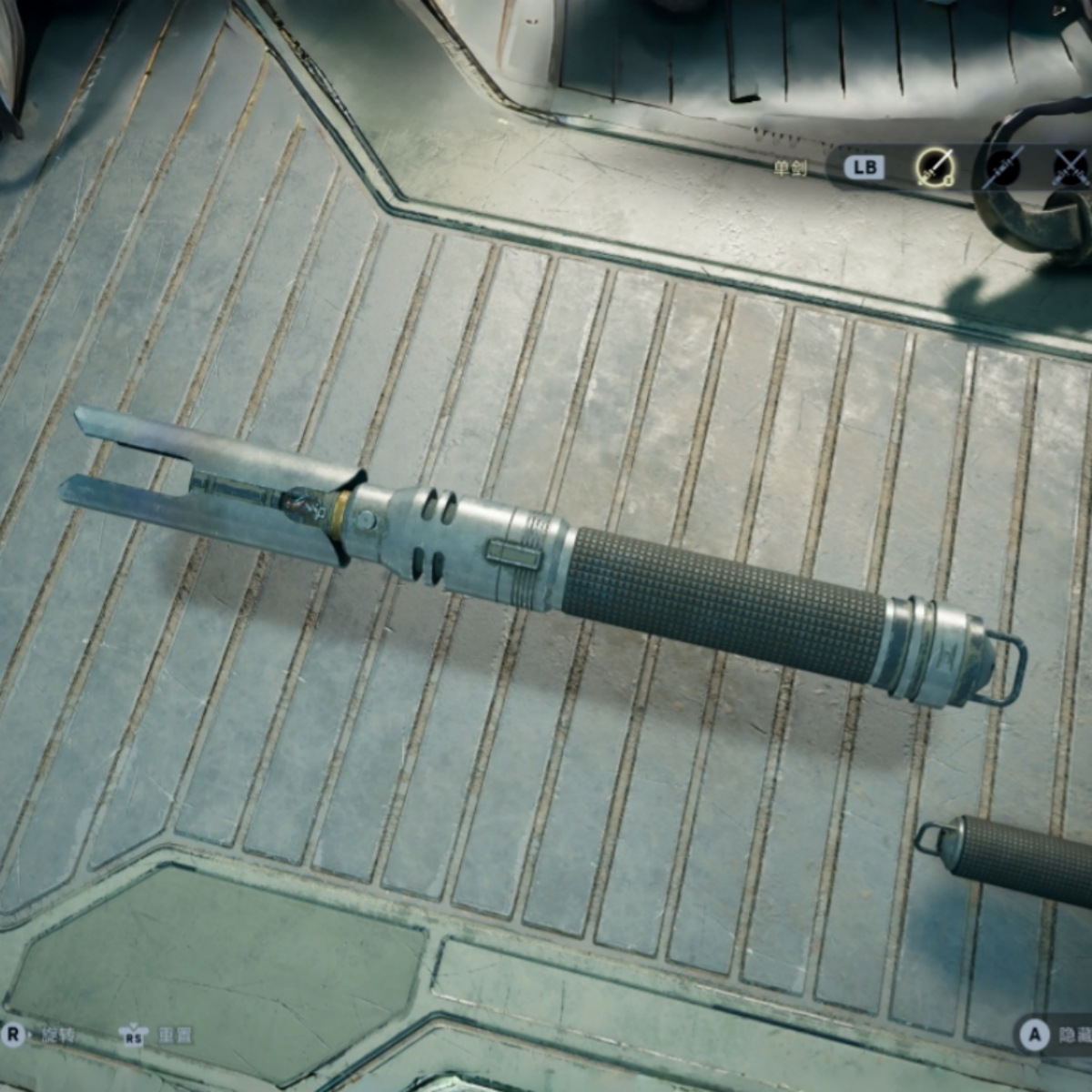
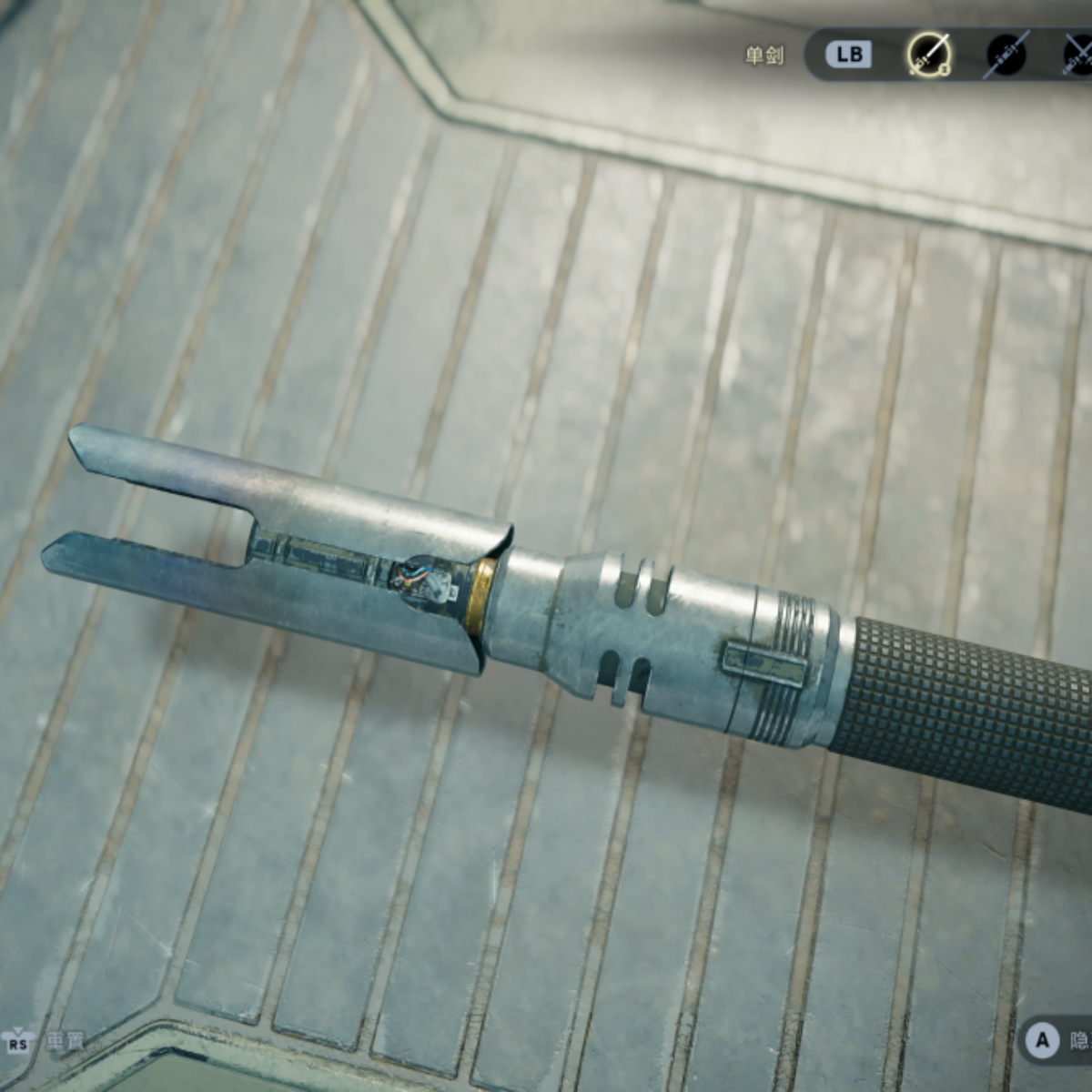
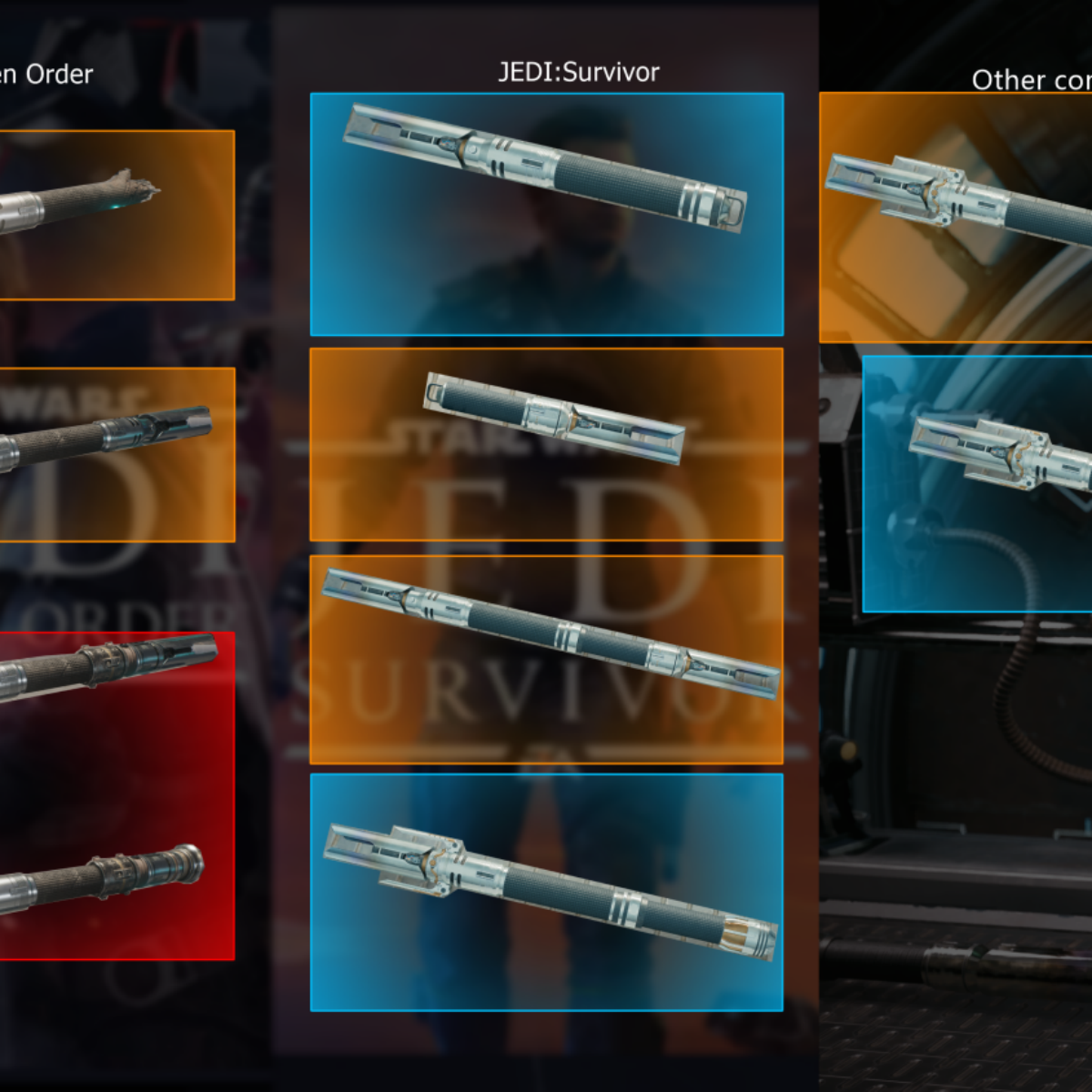
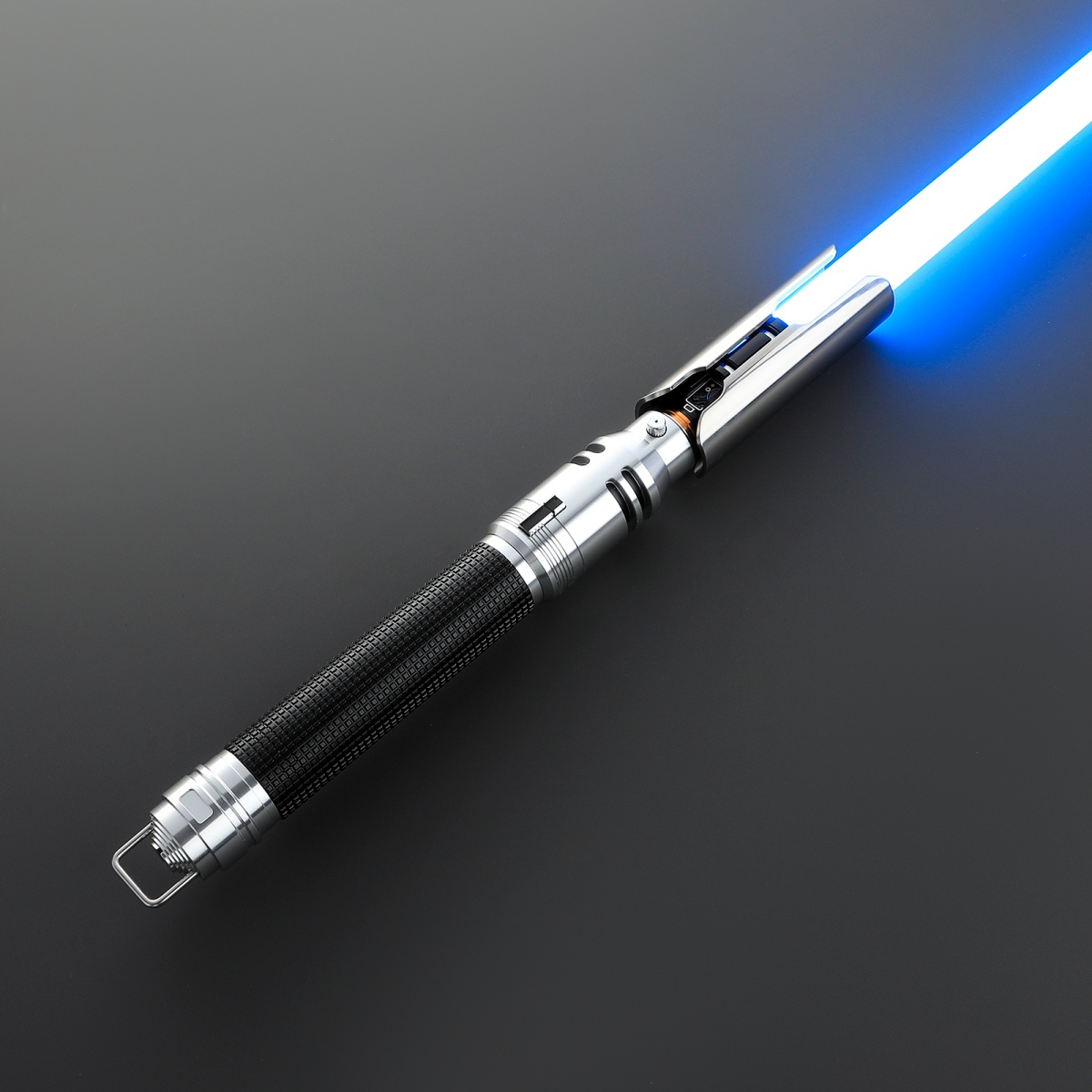
A screen-accurate breakdown of the hilt anatomy, emitter shroud, and weathering details from Star Wars Jedi: Fallen Order and Survivor.
The Jaro Tapal Legacy: Cal Kestis’s Lightsaber Guide & Hilt Anatomy | Star Wars Jedi
Origins: A Master’s Sacrifice
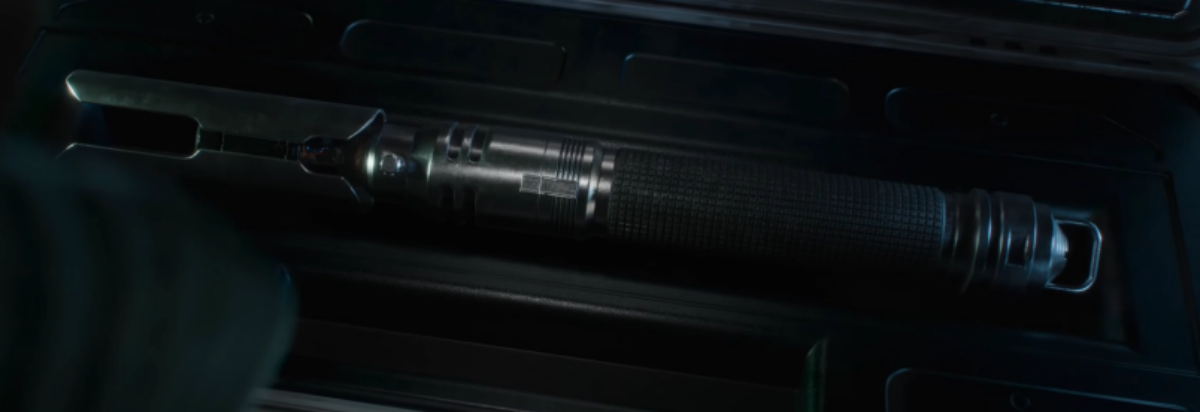
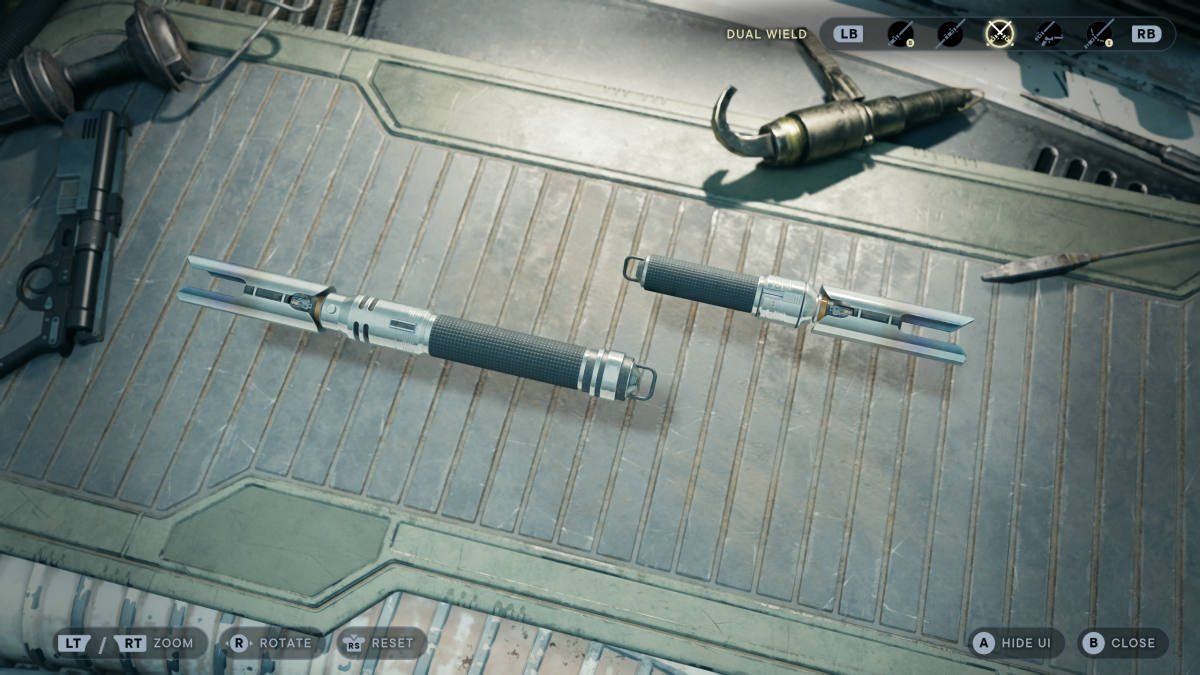
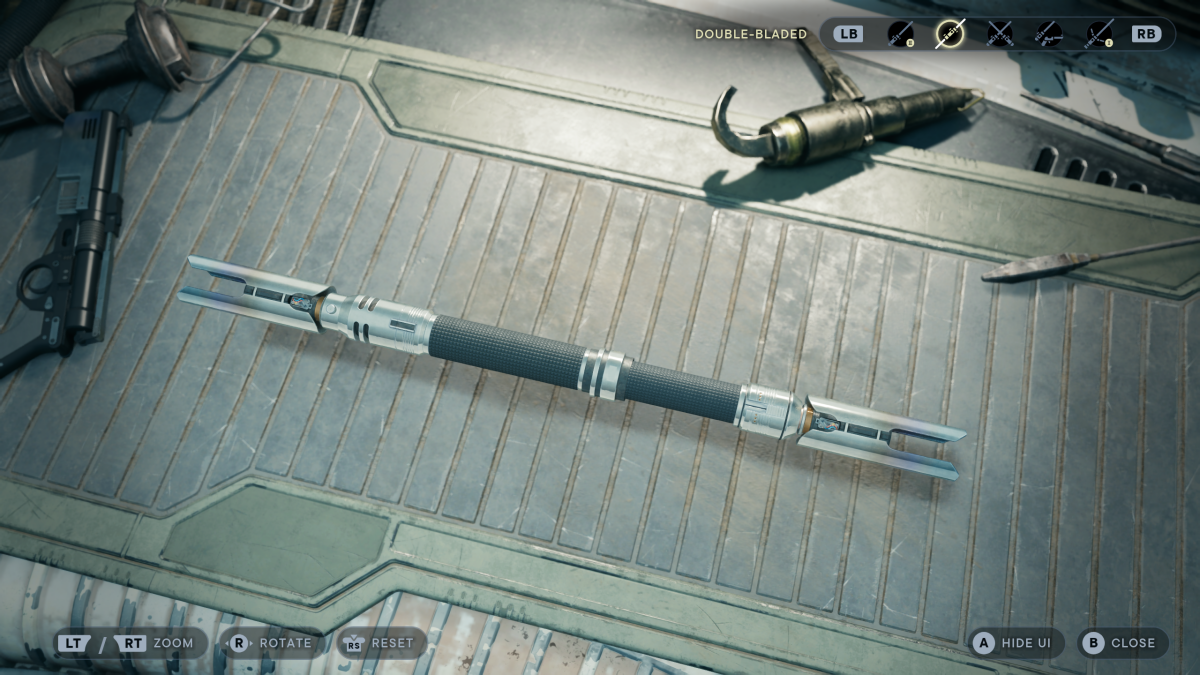
Before it became the signature weapon of Cal Kestis, this lightsaber belonged to his master, the Lasat Jedi General Jaro Tapal. Originally, it was a double-bladed lightsaber (saberstaff), designed for the heavy, sweeping strikes characteristic of Tapal’s imposing stature.
During the execution of Order 66 aboard the Star Destroyer Albedo Brave, Tapal sacrificed himself to ensure his Padawan’s escape. In the chaos, the saber was damaged by Clone Trooper blaster fire, severing the hilt in half and destroying one of the emitters. Cal Kestis kept the remaining functional half for years while hiding on the scrapyard planet of Bracca, using it not as a weapon, but as a tool for survival and a reminder of the Jedi Order’s fall.
Design Anatomy: The "Damaged" Aesthetic
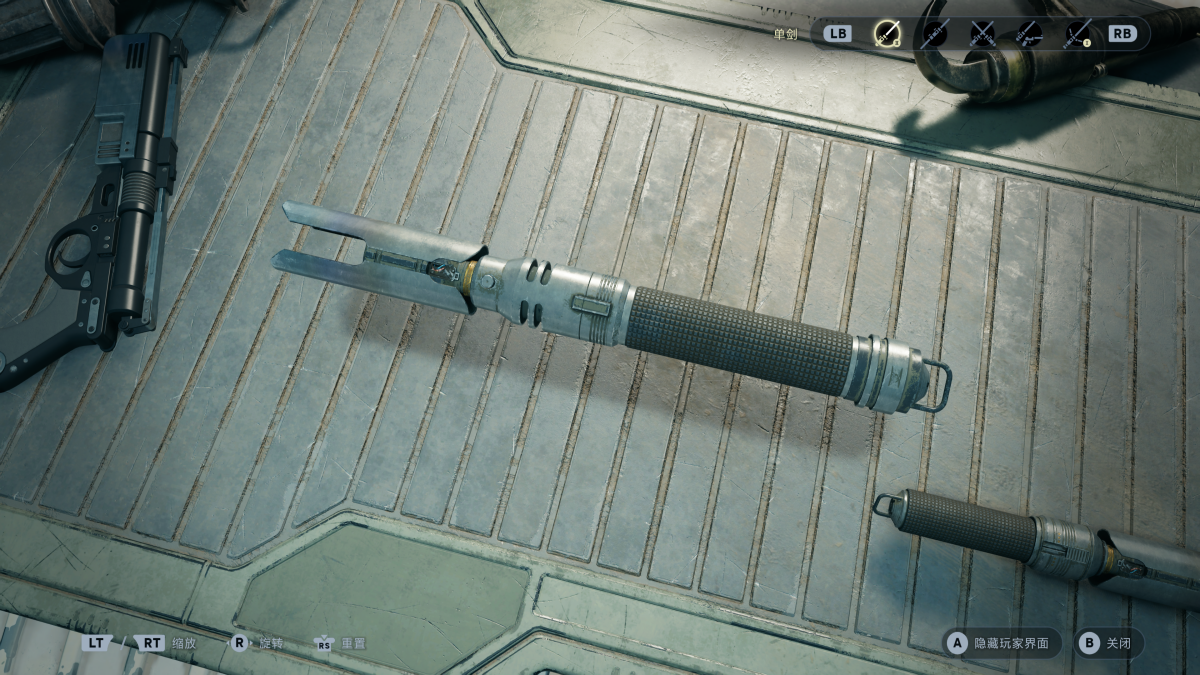
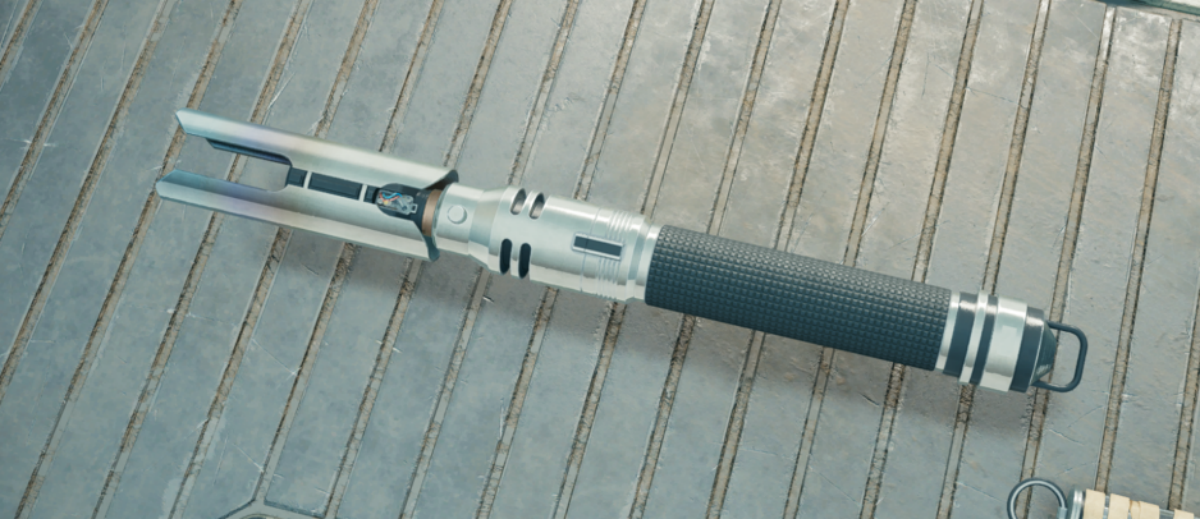
For replica collectors and prop makers, the defining feature of Cal Kestis’s early-game lightsaber (specifically in Jedi: Fallen Order) is its asymmetry.
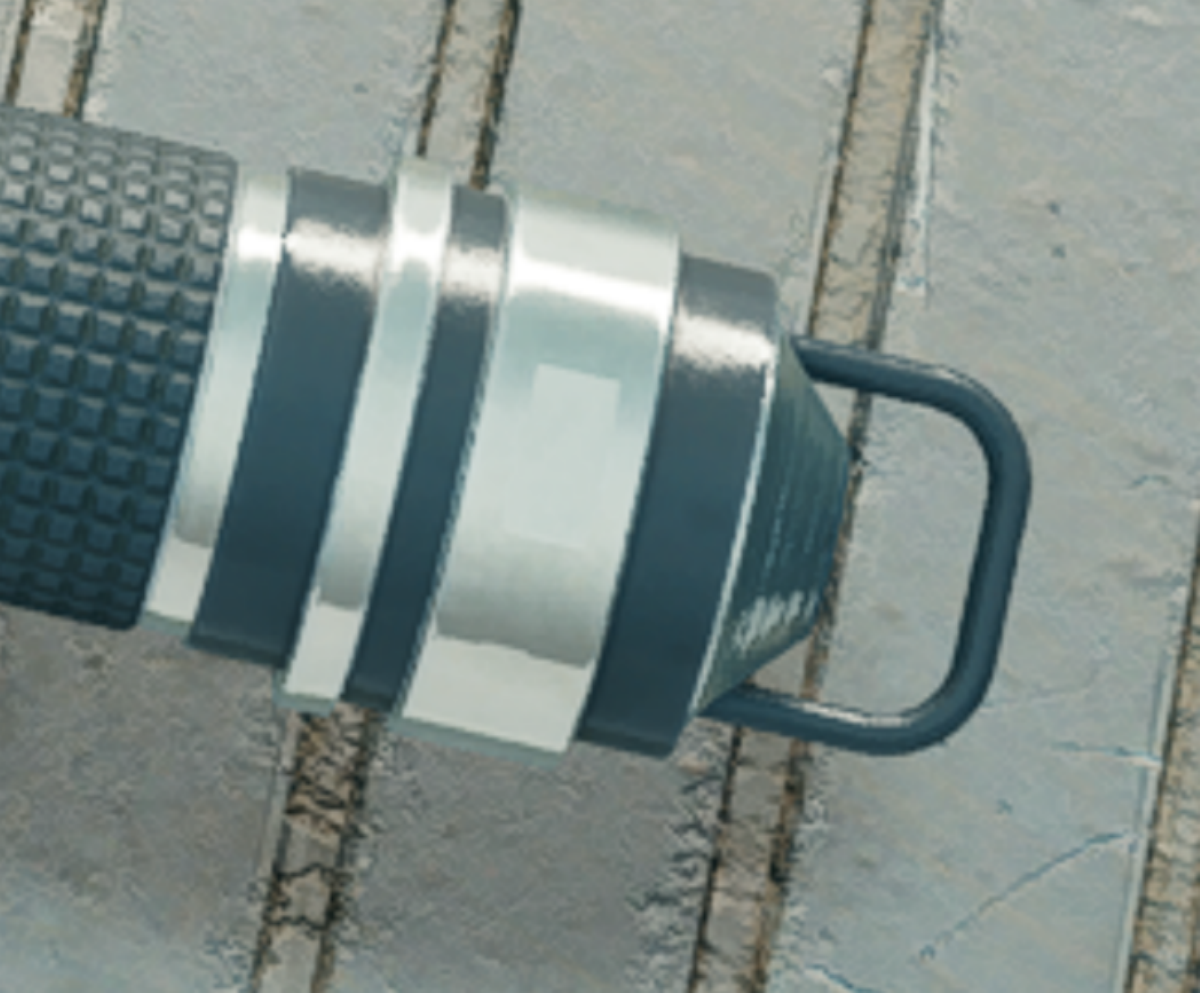
The Broken Pommel: The bottom of the hilt is not a standard end-cap. It features jagged, sheared metal and exposed internal wiring, representing the catastrophic damage from Order 66. This is crucial for screen-accuracy.
The Extended Grip: Even in its single-blade configuration, the hilt is significantly longer than a standard Jedi lightsaber (approx. 30-40% longer). This is because it is essentially one-half of a saberstaff. The extra length provides Cal with increased leverage, allowing for two-handed strikes despite using a single blade.
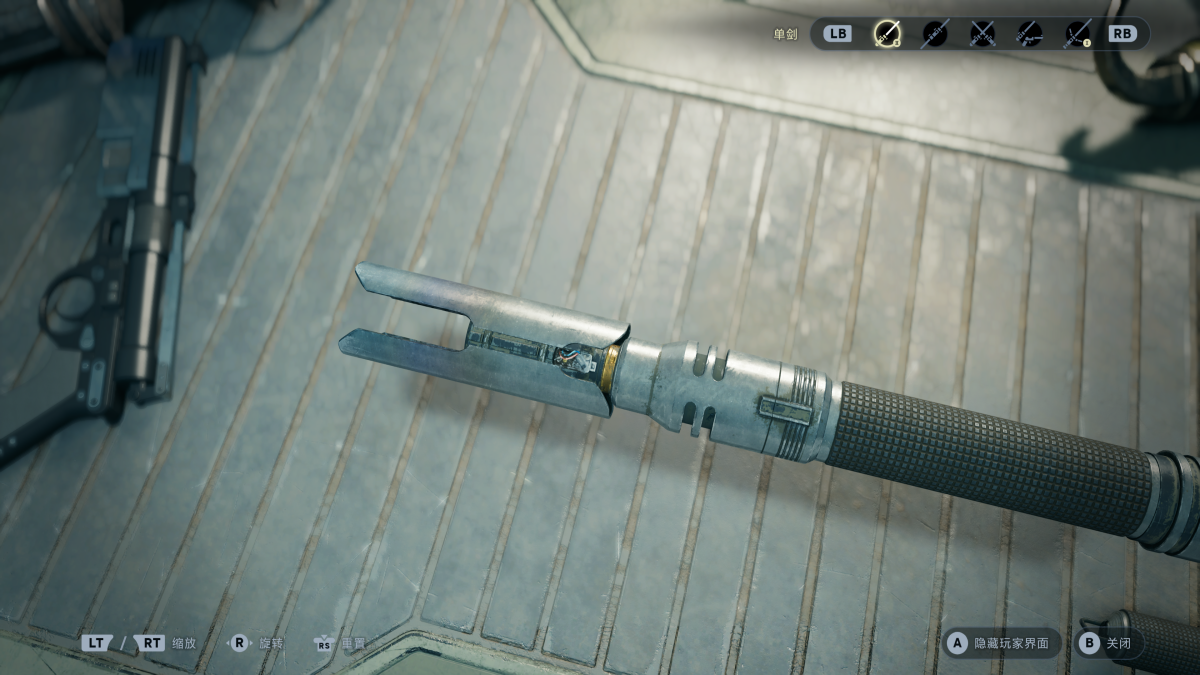
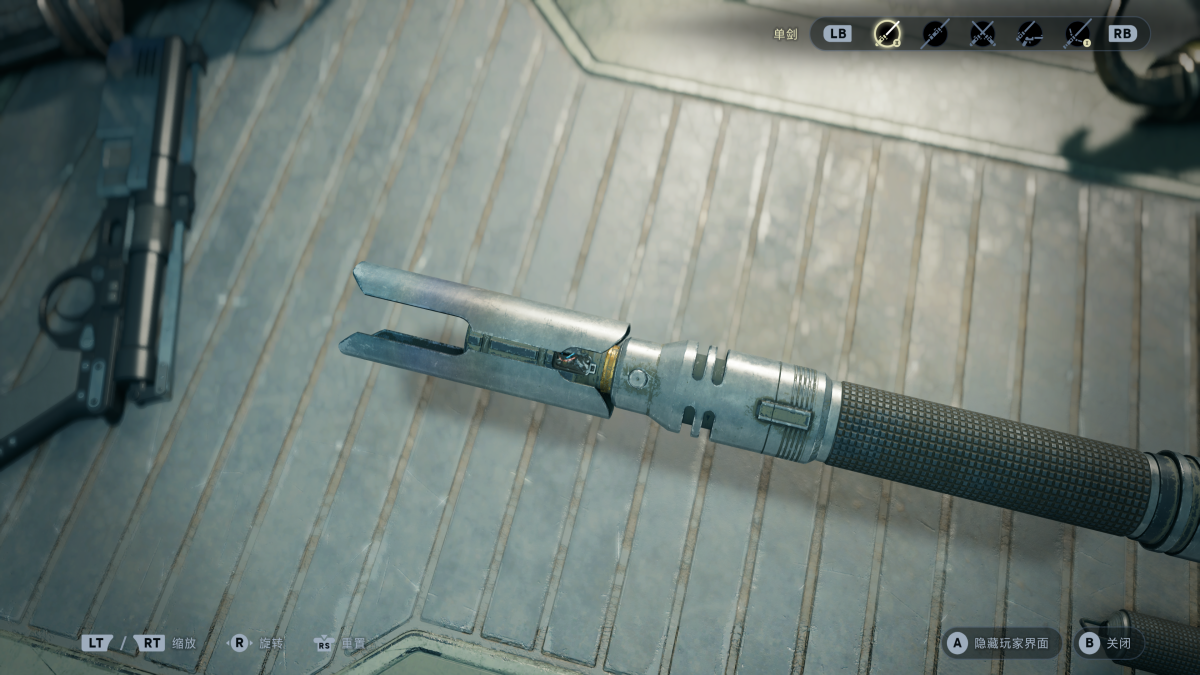
The Emitter Shrouds: The emitter features distinctive, high-walled shrouds that protect the magnetic stabilizer ring. This aggressive design is typical of Jaro Tapal’s practical, military-focused combat philosophy.
Technical Specifications & Crystal
Kyber Crystal: The saber houses a Kyber Crystal that originally resonated with Jaro Tapal. While initially blue, the game’s canon establishes that after Cal repairs the crystal on Ilum (following its fracture), the color reflects his specific connection to the Force (canonically blue, but customizable in gameplay).
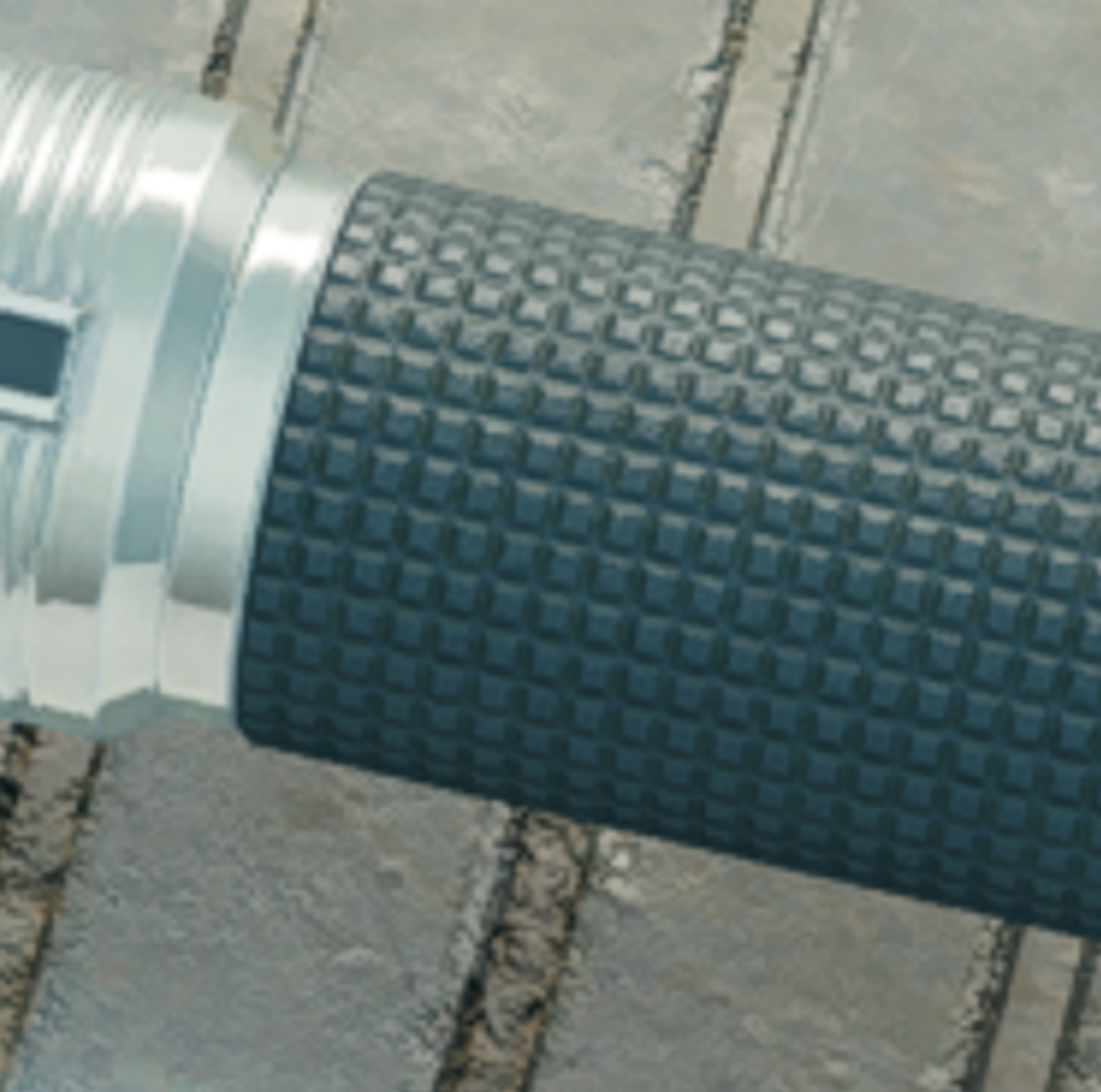
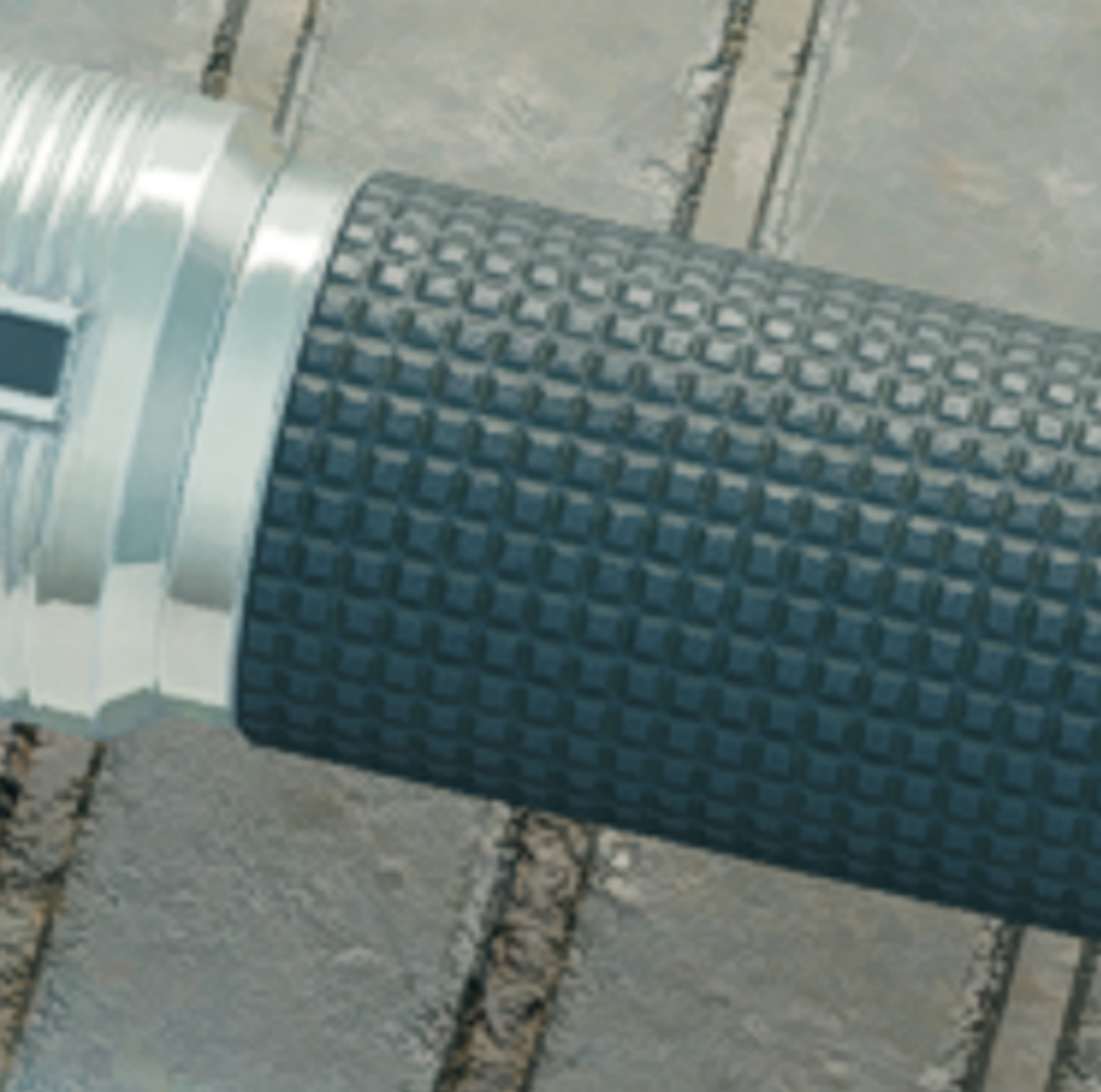
Material: The hilt appears to be constructed from durasteel alloy, featuring a ribbed rubberized or leather grip section for enhanced traction in wet or oily environments (like the scrapyards of Bracca).
Functionality: Despite the damage, the power cell and modulation circuits remained intact, allowing the blade to ignite instantly without the flickering instability seen in Kylo Ren’s crossguard saber.
Evolution in Jedi: Survivor
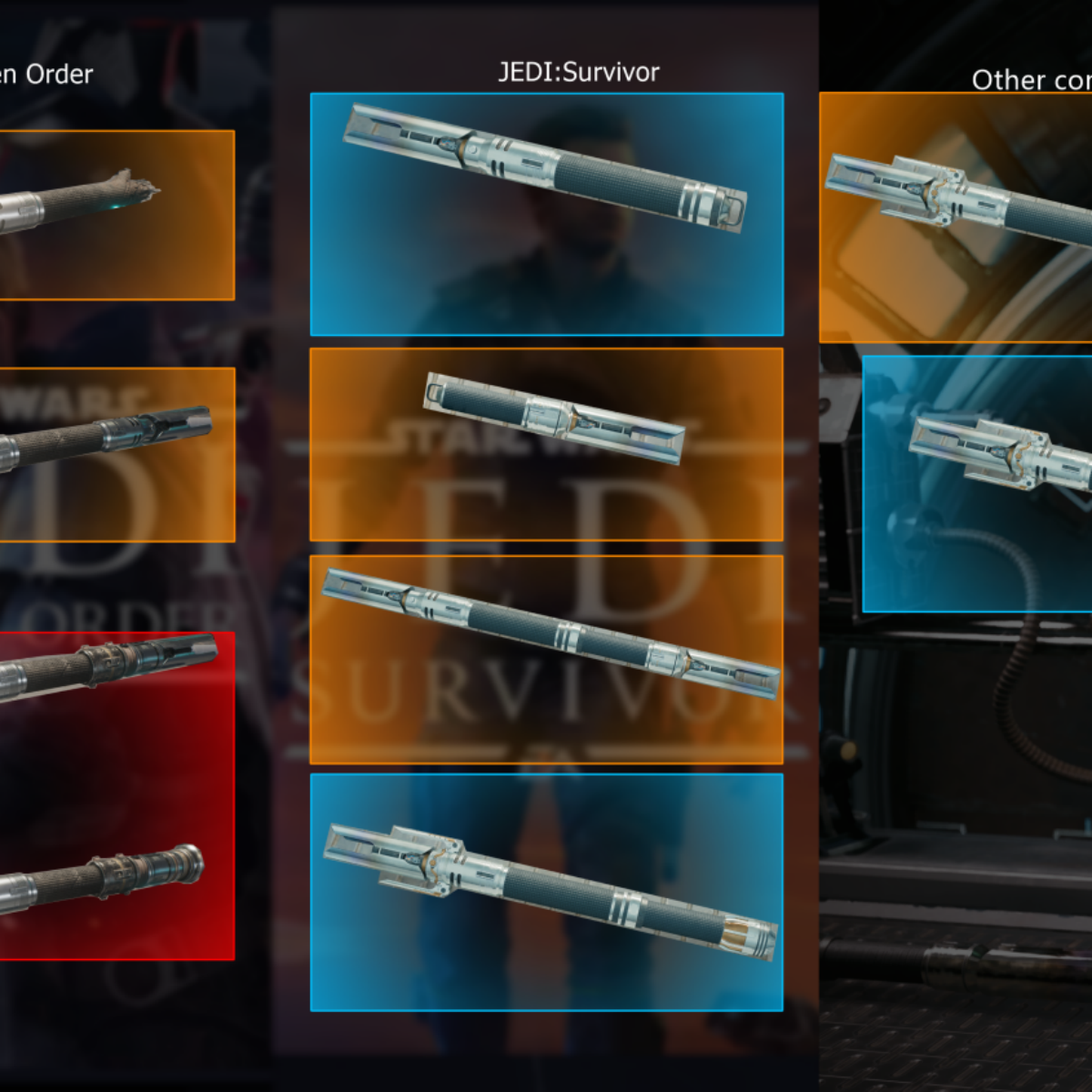
In the sequel, Star Wars Jedi: Survivor, the hilt evolves further. Cal integrates components from other masters (including Cere Junda), and the "broken" end can be repaired or modified. However, the quintessential "Cal Kestis" look remains the weathered, long-handled Jaro Tapal hilt with the damaged end—a symbol of survival against impossible odds.
Explore the Archives: Precision CNC Schematics & Hilt Engineering
• The Untold Chronicles (Original Series)
• Real-World Plasma Physics
• Expanded Universe Lore
• Global lightsaber News
• Fan Showcase & Rankings
• Toy & Prop Reviews

 EN
EN