
 EN
EN

Build Tech:Understanding the Technology of Lightsaber Replicas
The technology behind lightsaber replicas is divided into two main categories:hardware and software.This distinction creates two specialized roles:'Installers'(who focus on the hardware) and 'Configurators' (who focus on software and sound fonts).
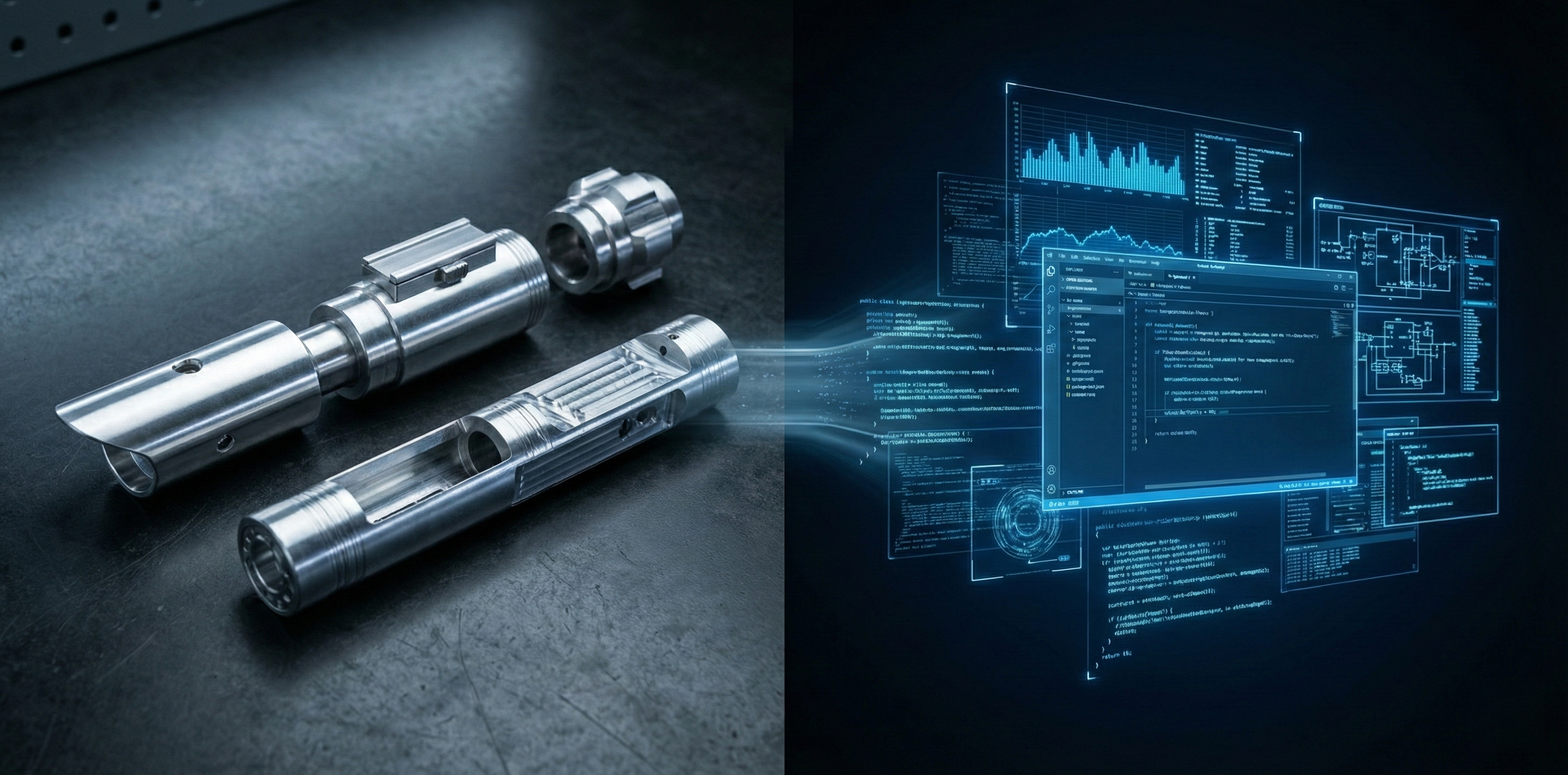
Lightsaber Hardware Architecture
From Ingot to Icon: The Domain of the Installer
In the universe of lightsaber manufacturing, the hardware is the vessel. It is where aerospace-grade engineering meets cinematic fantasy. This section constitutes the definitive guide for the Installer—the engineer and craftsman responsible for bridging the gap between a static prop and a functional masterpiece.
Here, we deconstruct the lightsaber into its physical absolute. We move beyond simple aesthetics to explore the rigorous standards of CNC machining tolerances, the material science of 7075 Aluminum and Titanium, and the applied physics of Helmholtz resonance in acoustic chamber design. From the structural integrity of the chassis to the molecular composition of a heavy-grade polycarbonate blade, this is the blueprint for building a lightsaber that feels as real as it looks.
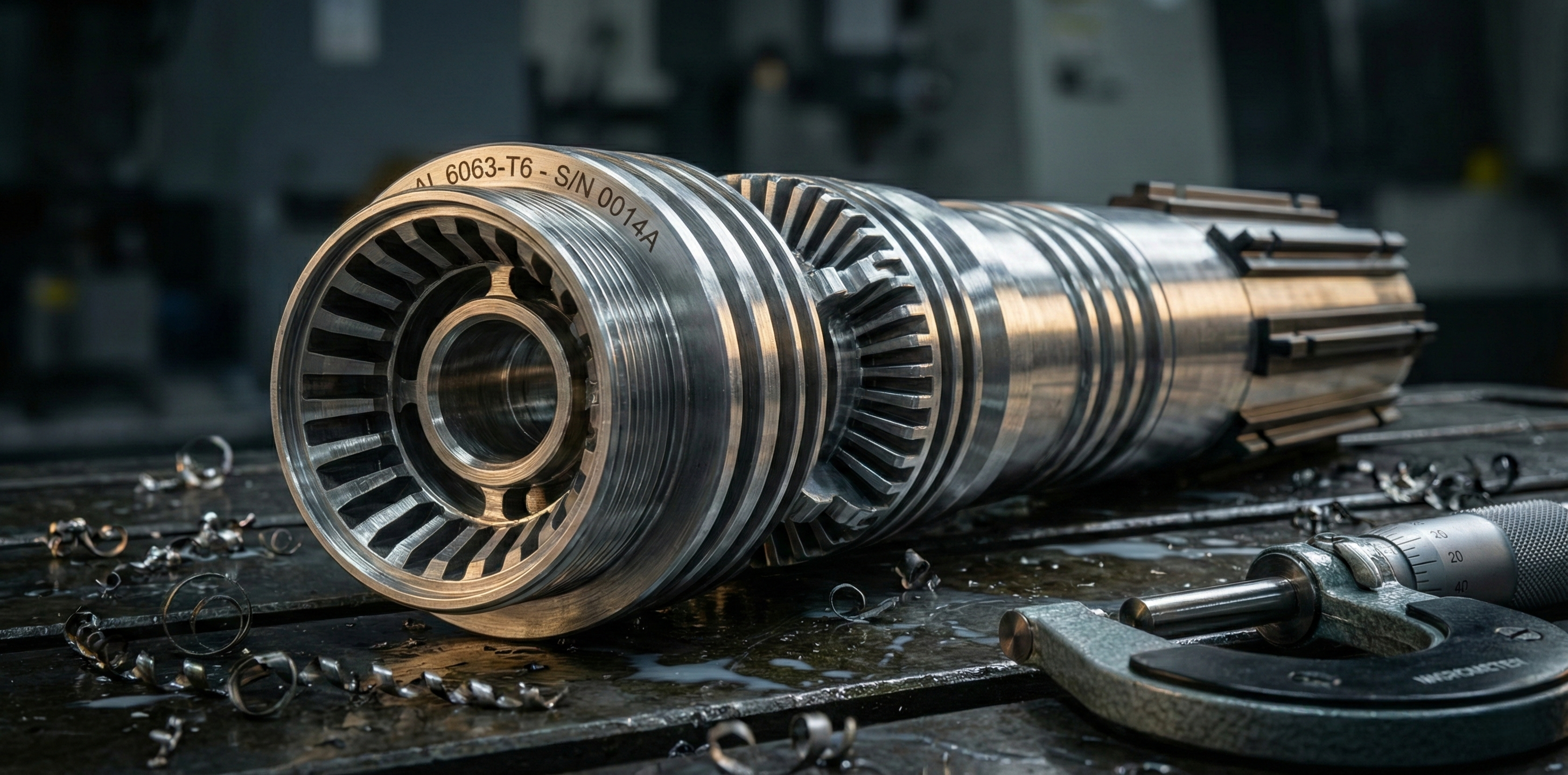
Lightsaber hardware technology is a unified system comprising two distinct engineering domains: the Hilt Assembly (The Engine) and the Blade System (The Output).
The Lightsaber Hilt Assembly
The Hilt is the mechanical and electronic core. To facilitate modular manufacturing and maintenance, the hilt architecture is divided into three critical subsystems:
The Lightsaber Empty Hilt:The external structural shell.
The Lightsaber Main Core: The core electronic framework.
The Lightsaber Switch Core: The interface and connection framework.
The Lightsaber Empty Hilt Architecture
The Lightsaber Empty Hilt serves as the physical vessel for the electronics and the structural anchor for the blade. Its study encompasses four dimensions: Components, Materials, Manufacturing Processes, and Mechanical Standards.