
 EN
EN

Anatomy of an Lightsaber Empty Hilt
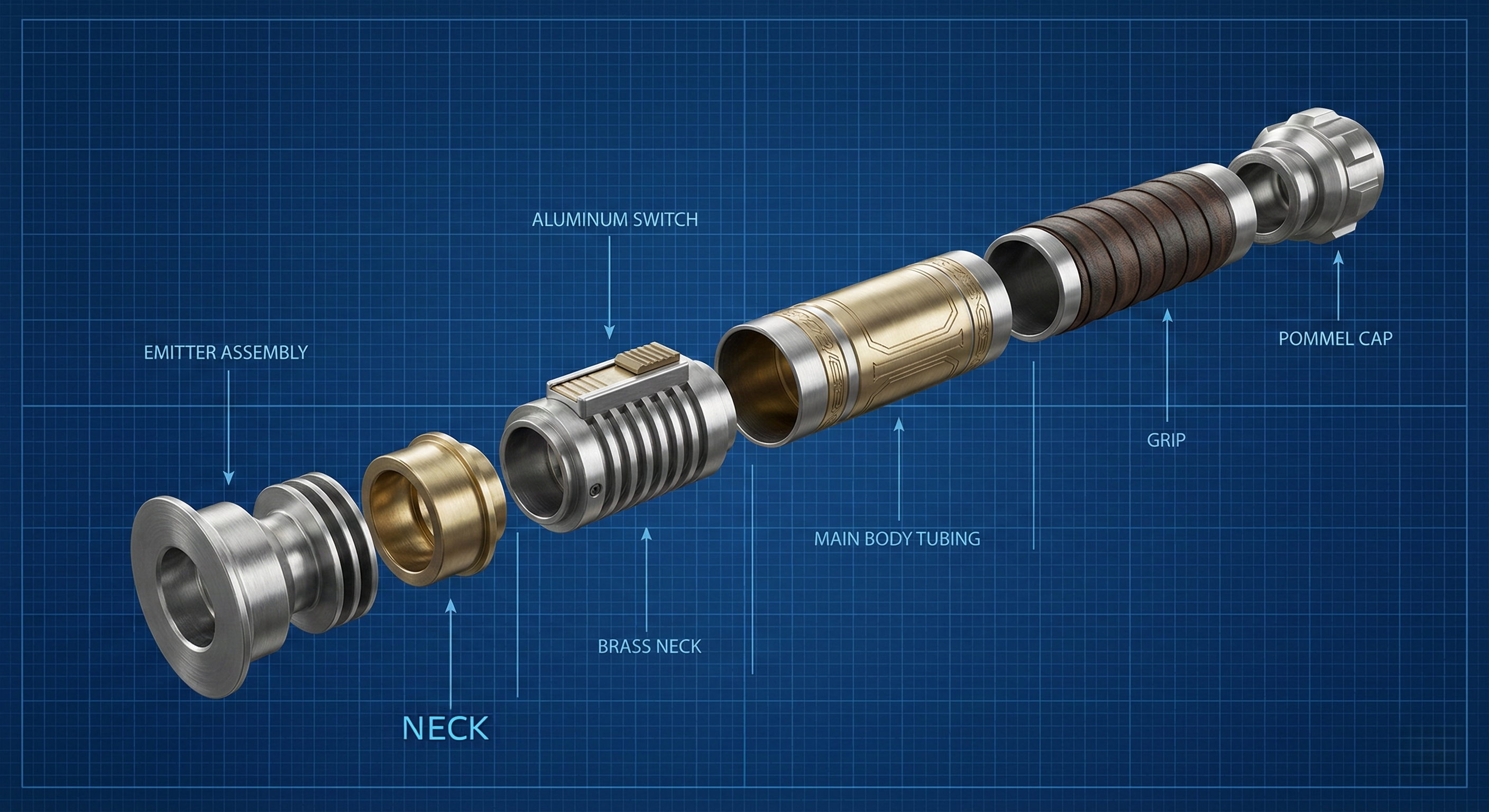
Below is the standard vertical stack of a lightsaber hilt, from top to bottom:
1.Lightsaber Emitter/Blade Holder
Function: The uppermost section designed to anchor the polycarbonate blade or hold a blade plug.
Engineering Critical (Blade Depth Physics):
Standard Depth(>5cm): For standard 1-inch heavy-grade blades,a socket depth of over 5cm is required to provide sufficient leverage support and prevent wobble during combat.
Shallow Socket (<5cm): If the design forces a shallow emitter (less than 5cm), it is mechanically mandatory to switch to a 7/8-inch OD blade or a shorter blade length (e.g., Shoto size). This reduces the torque and weight load on the retention screws, ensuring safety.
It also houses the "Pogo Pin" PCB holder.
2.Lightsaber Neck
Function: The connecting section between the emitter and the switch area.
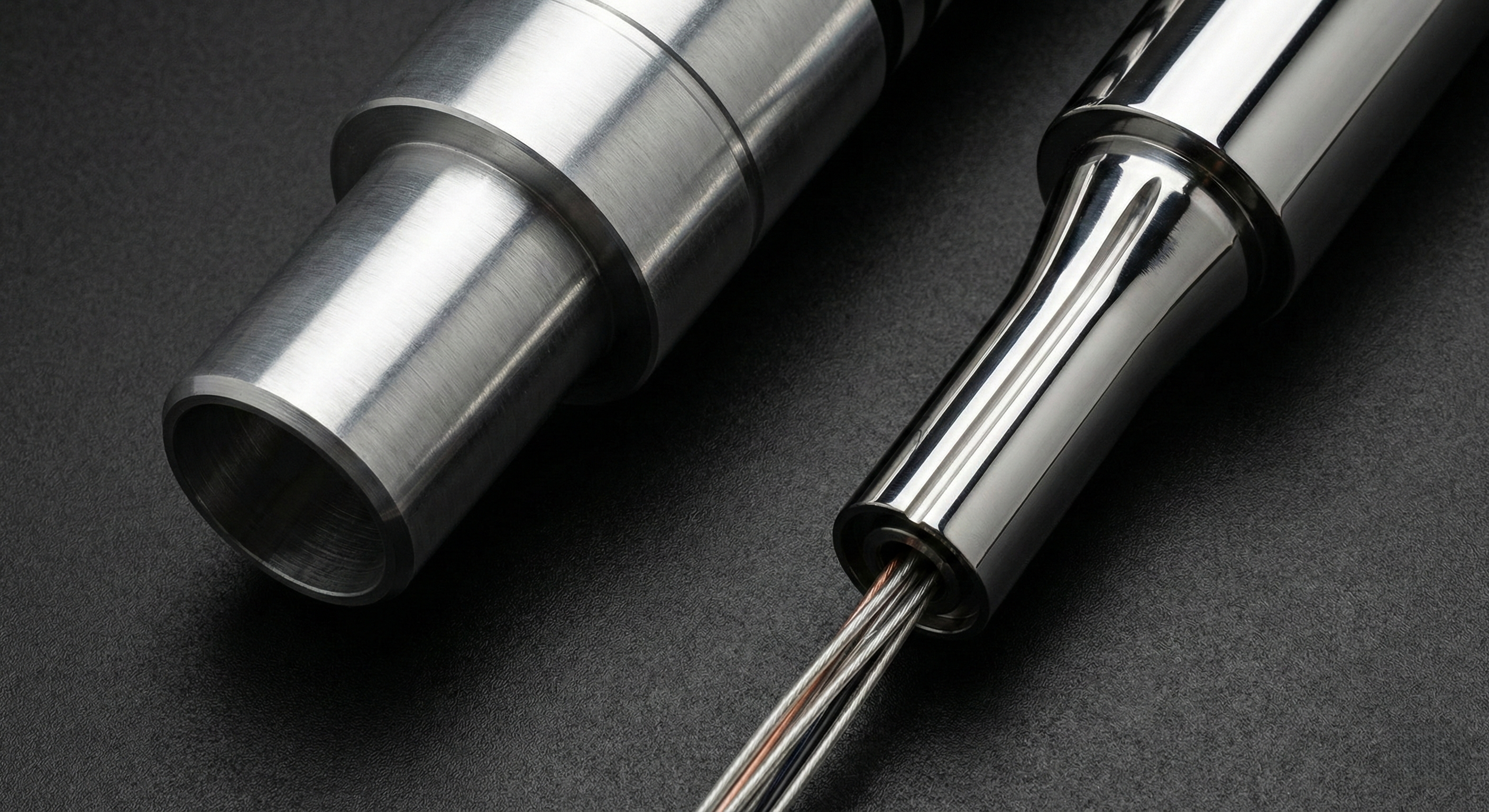
Variant Analysis (Standard vs. Thin Neck):
Standard Neck: Same diameter as the body,structurally robust.
Thin Neck (Production Challenge): Simulating the classic "Luke/Obi-Wan" aesthetic.
Production Challenge & Constraints
Restricted ID & Wire Clearance:To prevent snapping,the Inner Diameter (ID) of the neck is minimized to maximize wall thickness. This makes passing wires difficult and often requires specialized thin-gauge wiring.
Blade Compatibility: Due to the structural leverage on the narrow neck, these hilts strictly mandate the use of 7/8-inch OD blades or shorter blade lengths (Shoto size). Using a full-length 1-inch blade creates excessive torque that can bend the neck.
Dueling Rating
Standard Aluminum Neck: Rated for Light Dueling Only. Even with thick walls, aluminum lacks the tensile strength to withstand heavy impact at this thin profile.
Heavy Dueling Requirement:For heavy combat,the neck component must be machined from Stainless Steel or Titanium. A steel neck provides the necessary yield strength to survive full-contact dueling.
3.Lightsaber Switch Section / Control Box
Function: The user interface zone. It houses the activation buttons, recharge ports, or OLED screens.
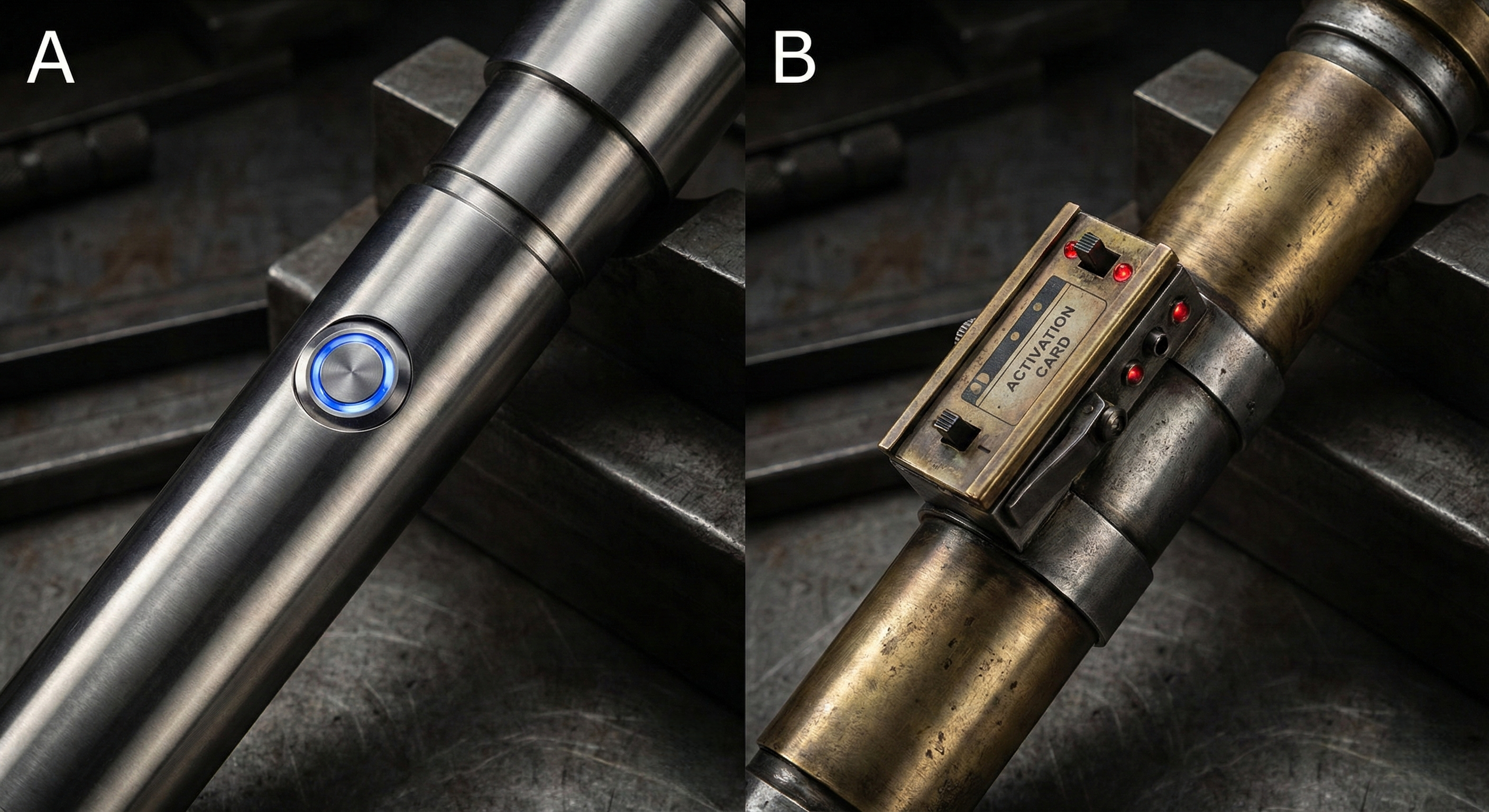
Form Factors:
Flush Mount: Buttons integrated directly into the tube for better ergonomics during spinning.
Control Box: A rectangular external box (Classic Trilogy style). The button mechanism is concealed inside the box. While aesthetically iconic, it can obstruct hand placement.
4.Lightsaber Main Body
Function:The primary gripping area and the protective housing for the Main Chassis (Soundboard & Battery).
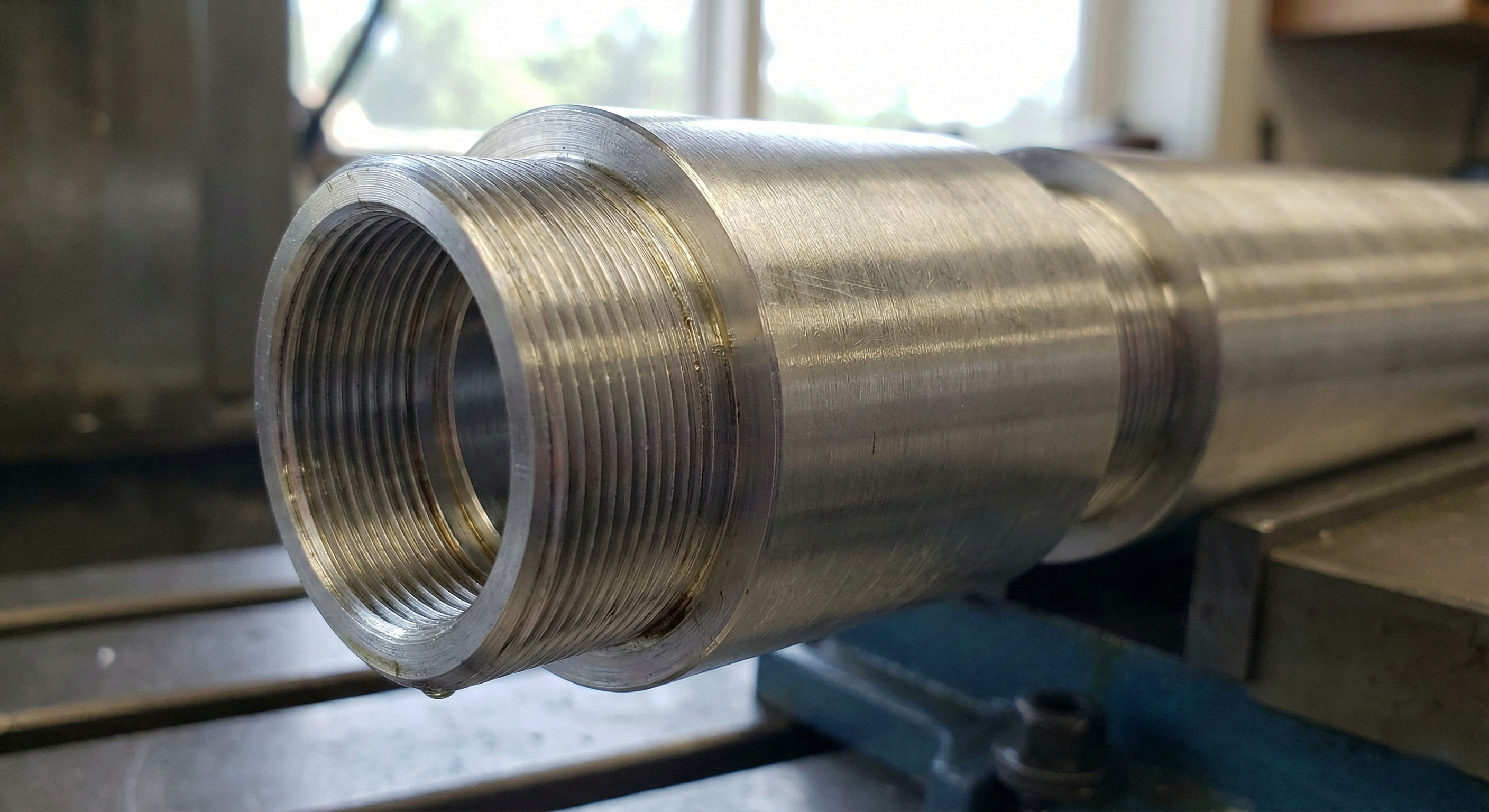
Advanced Feature (Modular Stacking): Some bodies feature pass-through threading, allowing for infinite extension. Multiple bodies can be screwed together to create a Greatsaber or Pike configuration.
5.Lightsaber Crystal Chamber
Function: A specialized section for high-end "Reveal" sabers, featuring a visible quartz or acrylic crystal.
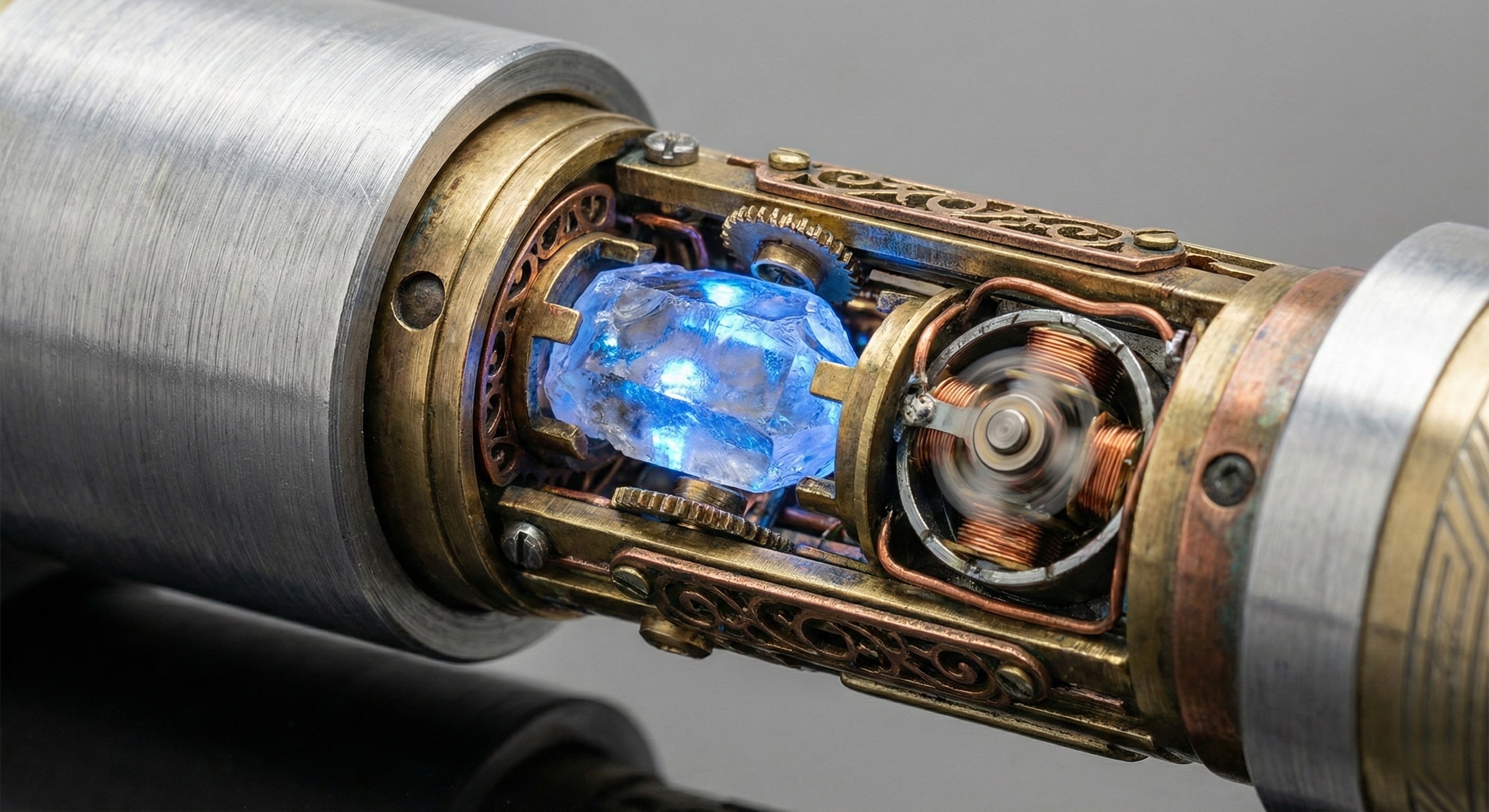
It is often integrated into a "Master Chassis" system. Some feature a secondary Accent LED to illuminate the crystal and a Miniature Motor to simulate the "spinning" effect of a focusing crystal.
6.Lightsaber Grip / Extension
Function: An extension attached below the main body to increase hilt length.
Provides extra leverage for Two-Handed Dueling (double-handed grip) or serves as a distinct texture zone (e.g., rubber T-grips).
7.Lightsaber Pommel / End Cap
Function: The screw-on cap that seals the bottom of the saber.
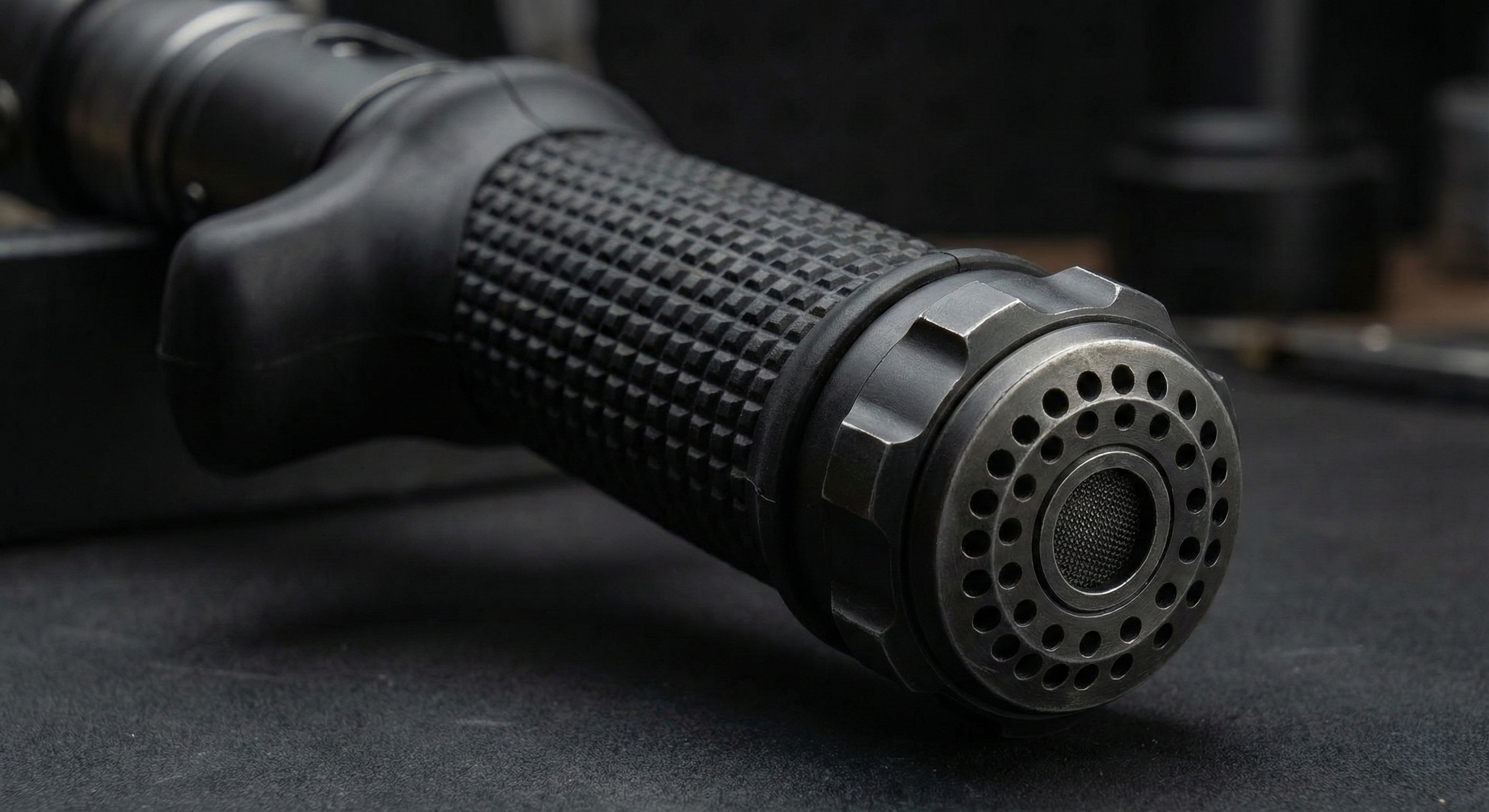
Acoustic Physics: The pommel is the key to sound quality. It features Sound Vents to allow air to move. It creates a Helmholtz Resonance Chamber with the speaker, amplifying the "hum" volume and bass.
8.Lightsaber Coupler / Connector
Function: A mechanical adapter used to join two separate hilts into a "Staff" (Double-bladed saber).
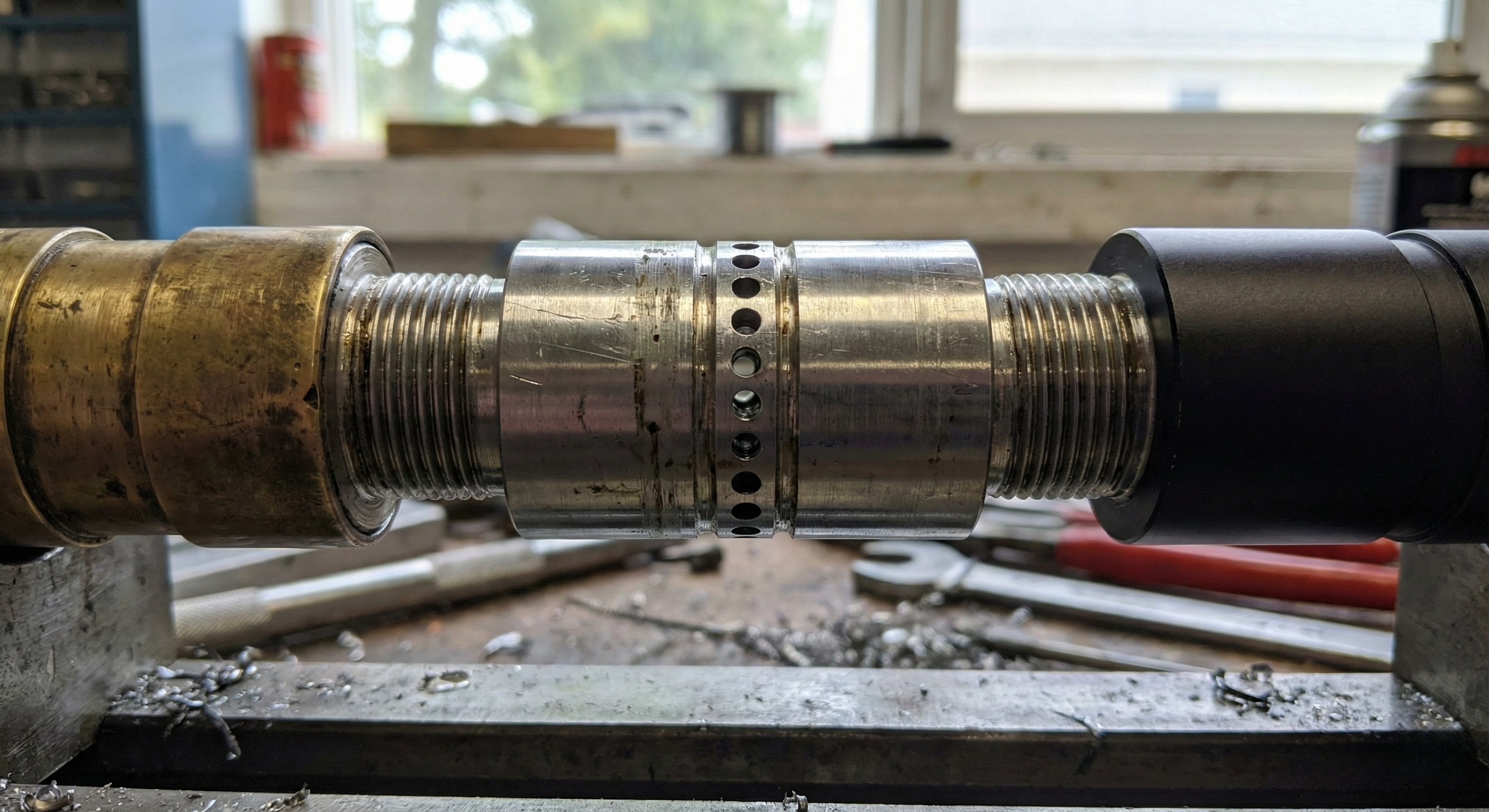
Types:
Standard Coupler: Requires an extra component.
Direct Connect: The pommel is the coupler (Male/Female threads), allowing two hilts to screw directly together.
Venting: High-quality couplers must have holes to let sound escape from the middle.
9.Lightsaber Accessories & Attachments
Function: External hardware for carrying or aesthetics.
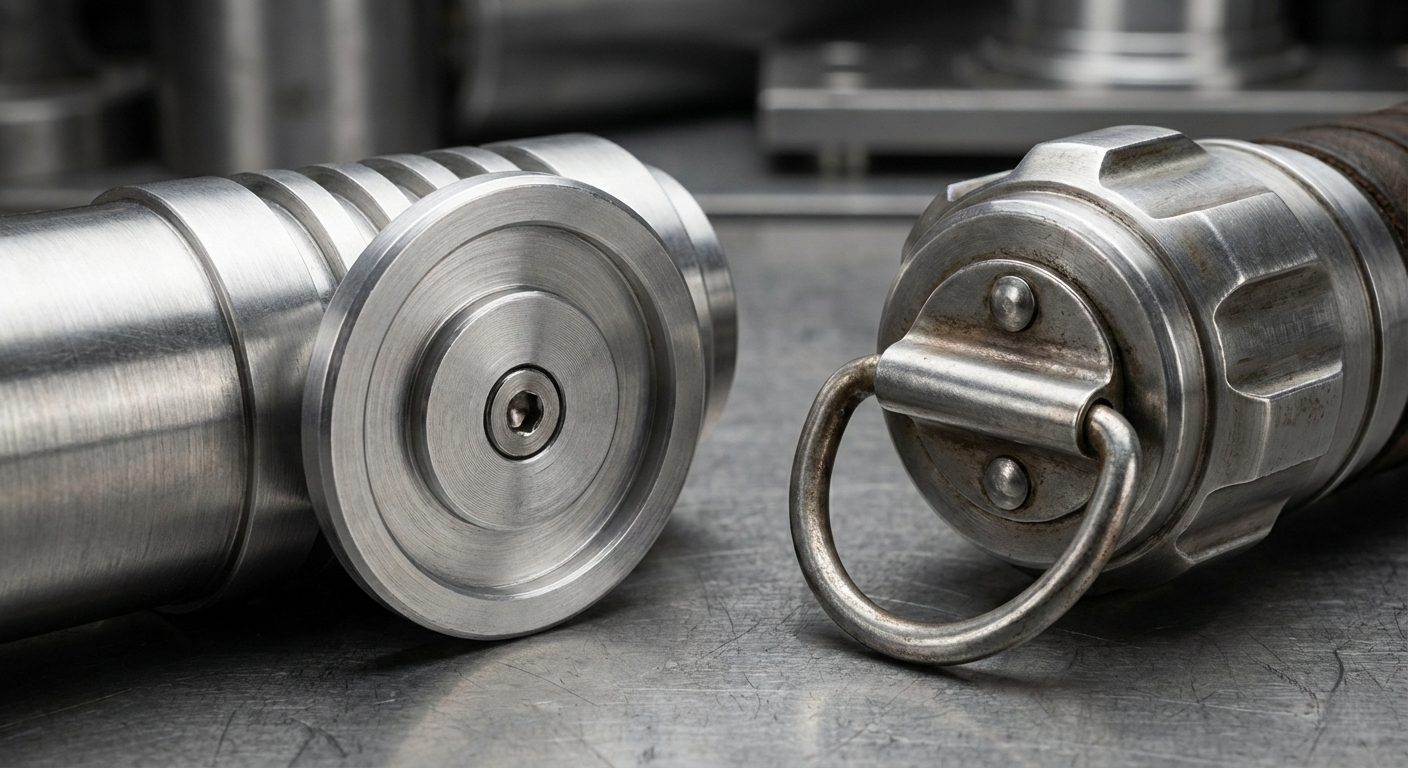
Common Items:
Covertec Wheel: A plastic/aluminum wheel for sliding into a belt clip (Prequel style).
D-Ring: A metal ring for hanging on a hook (Original Trilogy style).
Shrouds/Claws: Decorative metal overlays screwed onto the emitter.