 EN
EN

From High-End Replicas Lightsaber to Physical Reality
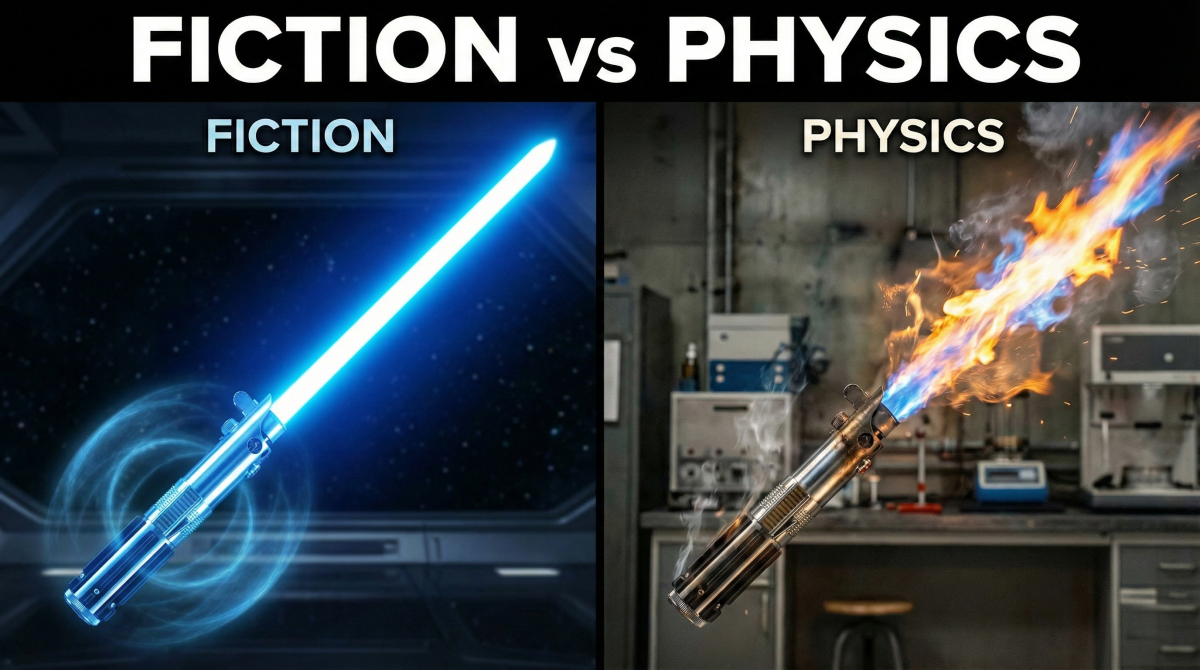
The Gap between Fiction and Physics
The lightsaber stands as the preeminent symbol of the Star Wars universe, a device that ostensibly combines the elegance of a sword with the technological supremacy of directed energy. In the fictional narrative, it is described as a blade of pure plasma, suspended in a magnetic containment field, capable of cutting through virtually any material—save for another lightsaber or rare resistant alloys like beskar—while emitting a characteristic hum.
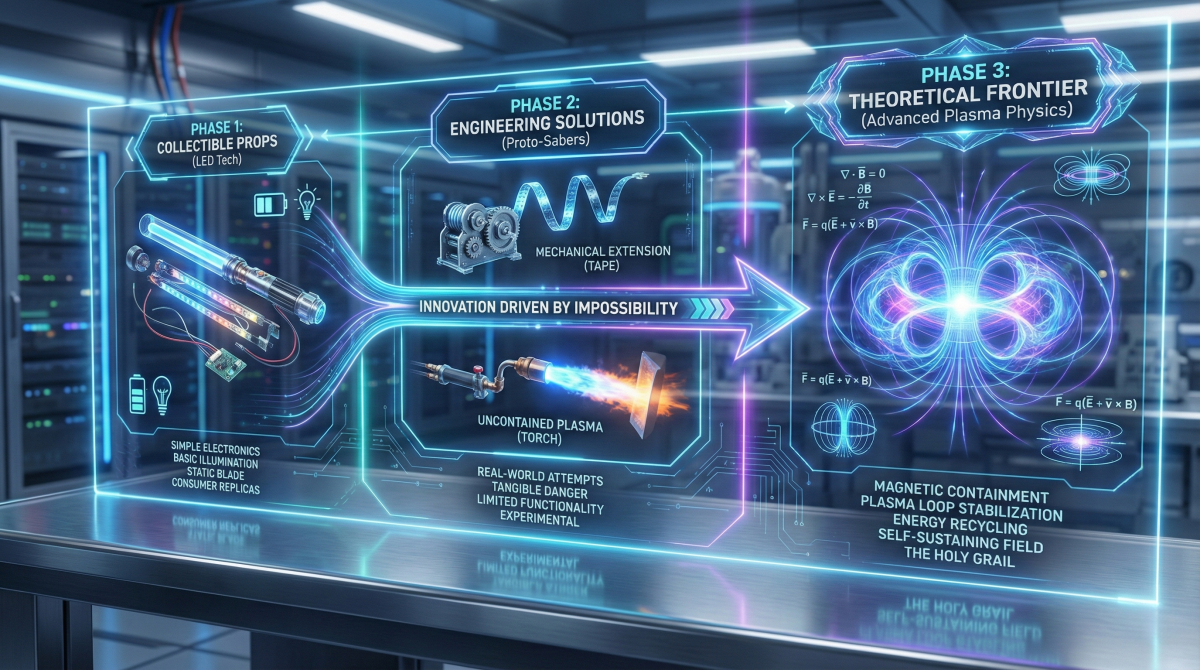
However, from the rigorous perspective of applied physics, thermodynamics, and materials science, the device as portrayed on screen represents a collection of paradoxes that violate several fundamental laws of nature. We provide an exhaustive, expert-level analysis of the lightsaber, traversing the entire spectrum from the high-end consumer replicas that utilize advanced solid-state lighting to the theoretical physics required to construct a functioning directed-energy weapon. The gap between the "toy" and the "weapon" is currently bridged by ingenious engineering solutions—such as laminar flow gas torches and motorized retractable tapes—yet the "true" lightsaber remains a Holy Grail of energy manipulation, challenging our understanding of electromagnetism and fluid dynamics.
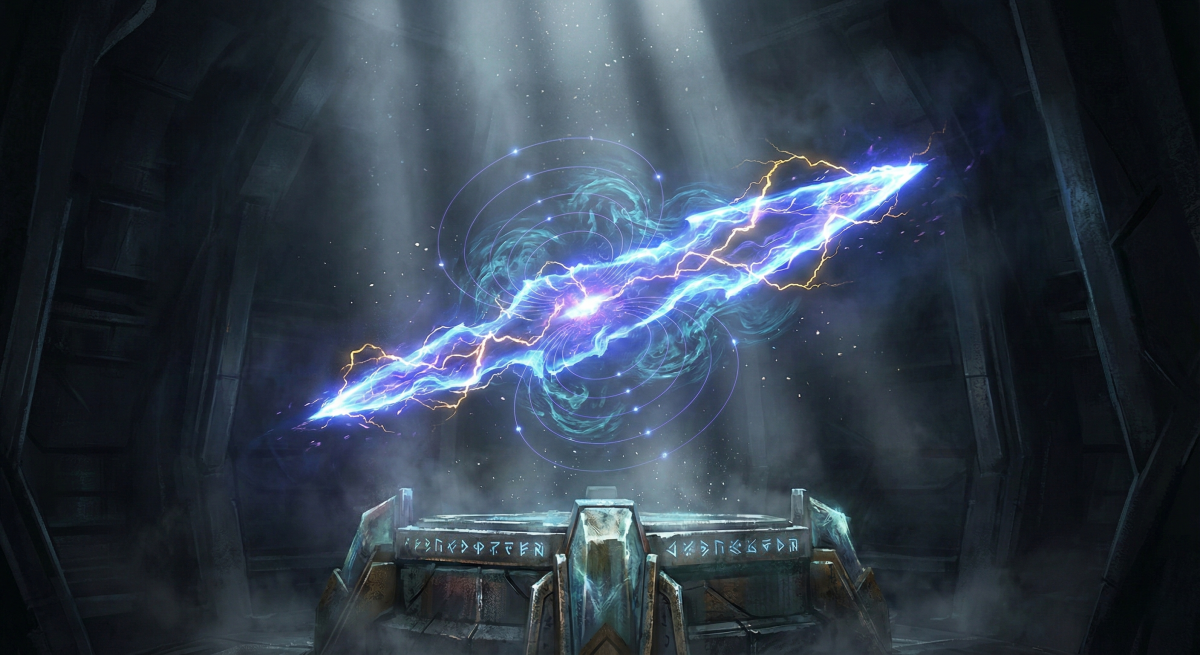
The Material Compromise: Simulating the Impossible
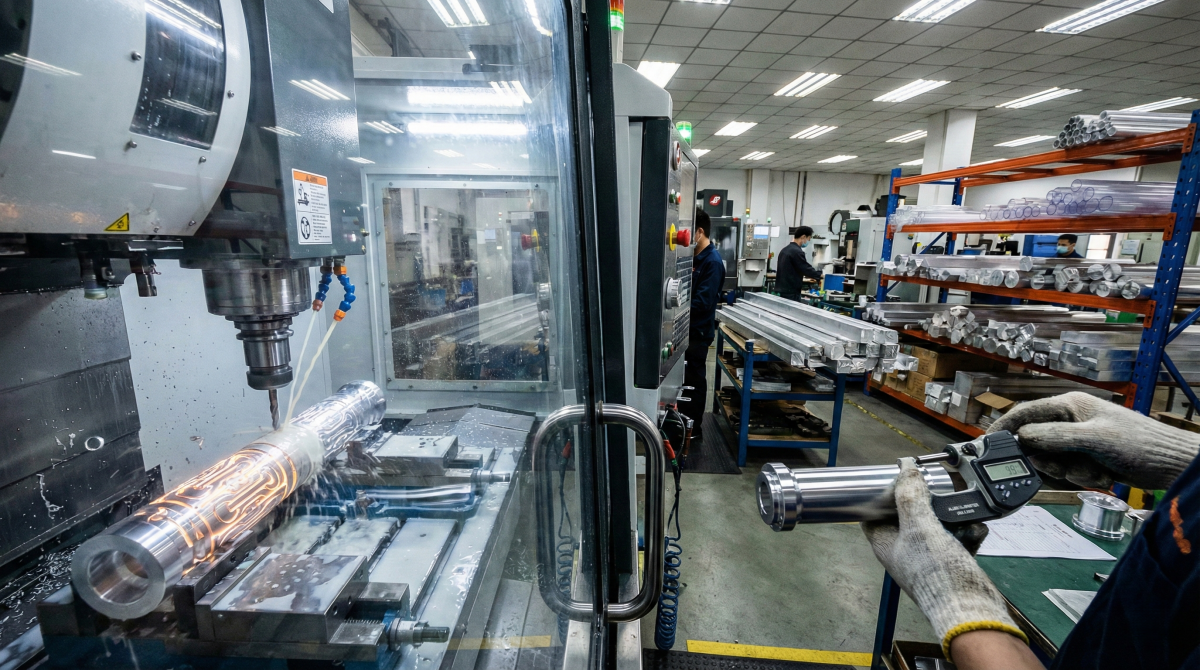
Since magnetic fields cannot indefinitely contain high-energy plasma in a rigid form, the manufacturing reality has shifted from "energy manipulation" to "material simulation." To replicate the weapon's iconic weight and durability without the impossible physics, the industry has standardized on specific high-performance materials. Aluminum alloy (6063) is precision-machined to create hilts that mimic the heft and balance of a fictional device, while high-impact Polycarbonate (PC) tubes—capable of withstanding heavy dueling torque—have replaced the concept of a "magnetic containment field." This shift allows engineers to bypass thermodynamic violations and focus on structural integrity and tactile realism.
Current Market Analysis
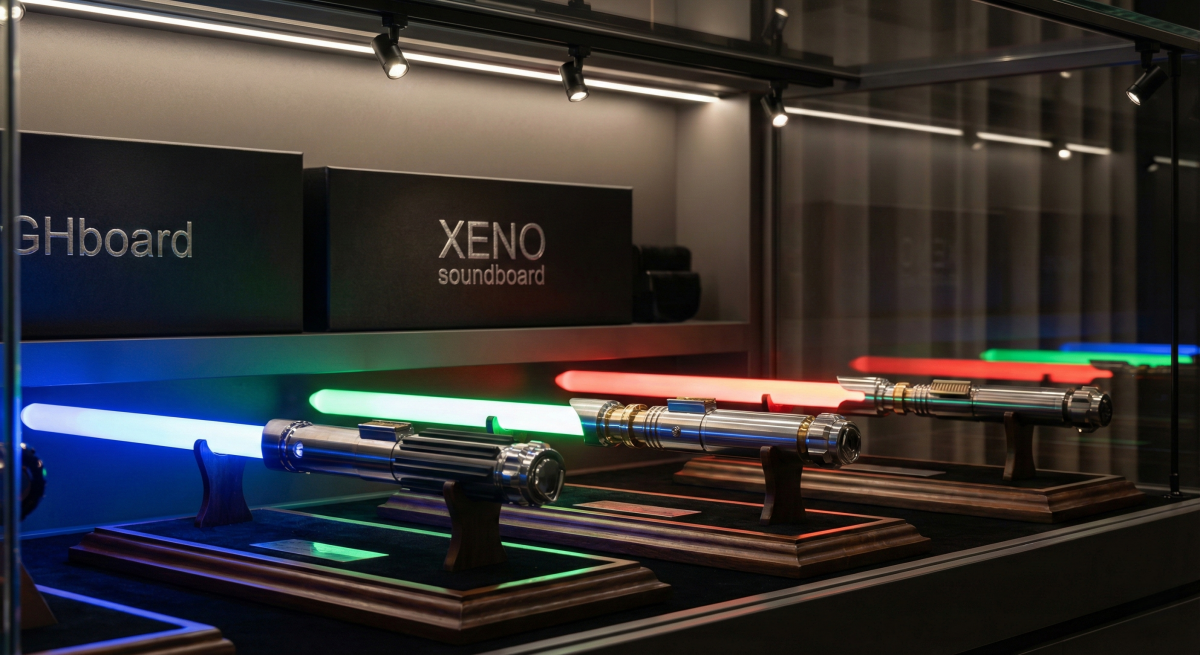
Current market analysis reveals a thriving, billion-dollar industry of "combat-ready" replicas. These devices, primarily powered by high-discharge Lithium-Ion batteries and controlled by sophisticated microcontrollers like the GHboard, CFXboard, Proffieboard, and XENO soundboard, simulate the visual and auditory experience of a lightsaber with remarkable fidelity. Advancements in "Neopixel" technology allow for scrolling ignition effects and localized blade interactions, pushing the boundaries of what is possible with polycarbonate and light-emitting diodes.
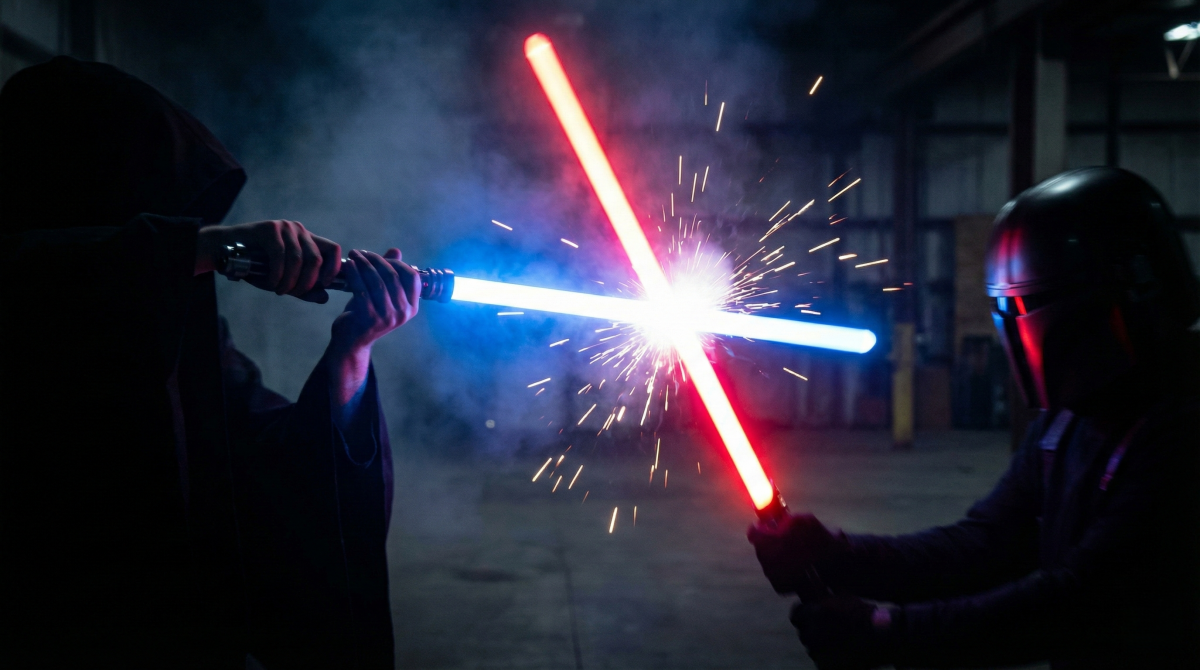
Simultaneously, corporate R&D divisions, notably Disney's Imagineering, and independent engineering groups like Hacksmith Industries and HeroTech, are attempting to solve the mechanical challenge of a retractable, illuminated blade. While Disney relies on opposing plastic tapes to create a rigid cylinder, Hacksmith utilizes high-temperature plasma streams, achieving the destructive capability of a lightsaber at the cost of the solid blade form.
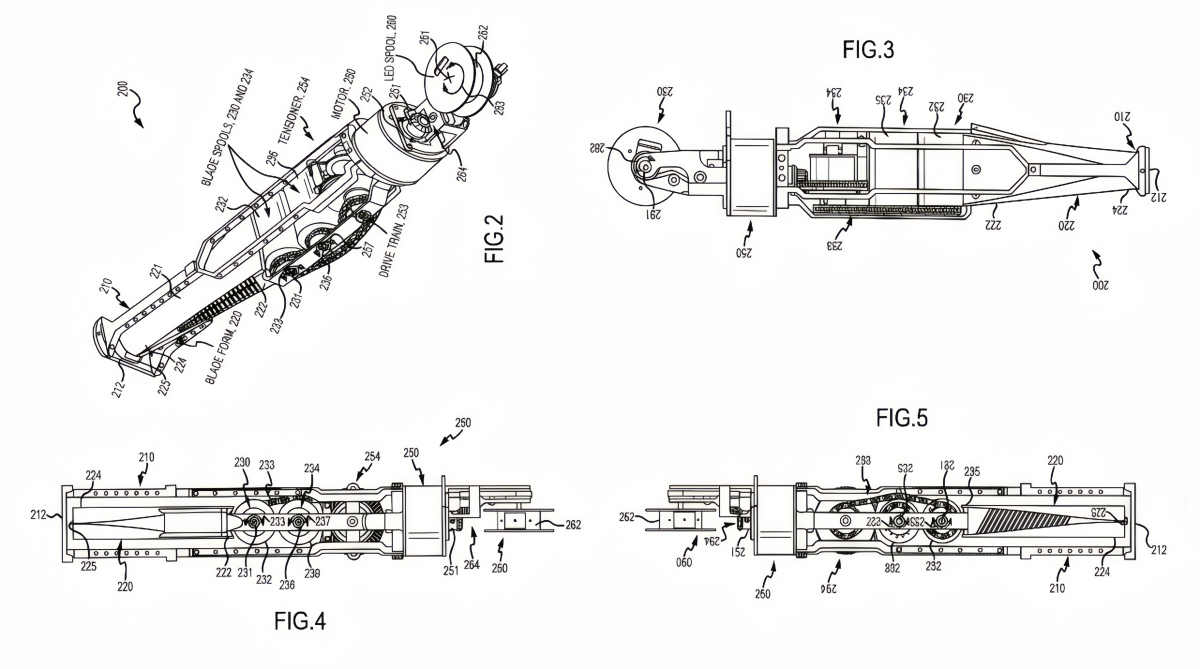
Mechanical Retractable Blade Schematic Source: US Patent 10,065,127 B1. Assignee: Disney Enterprises, Inc. Included for technical analysis and educational purposes only.
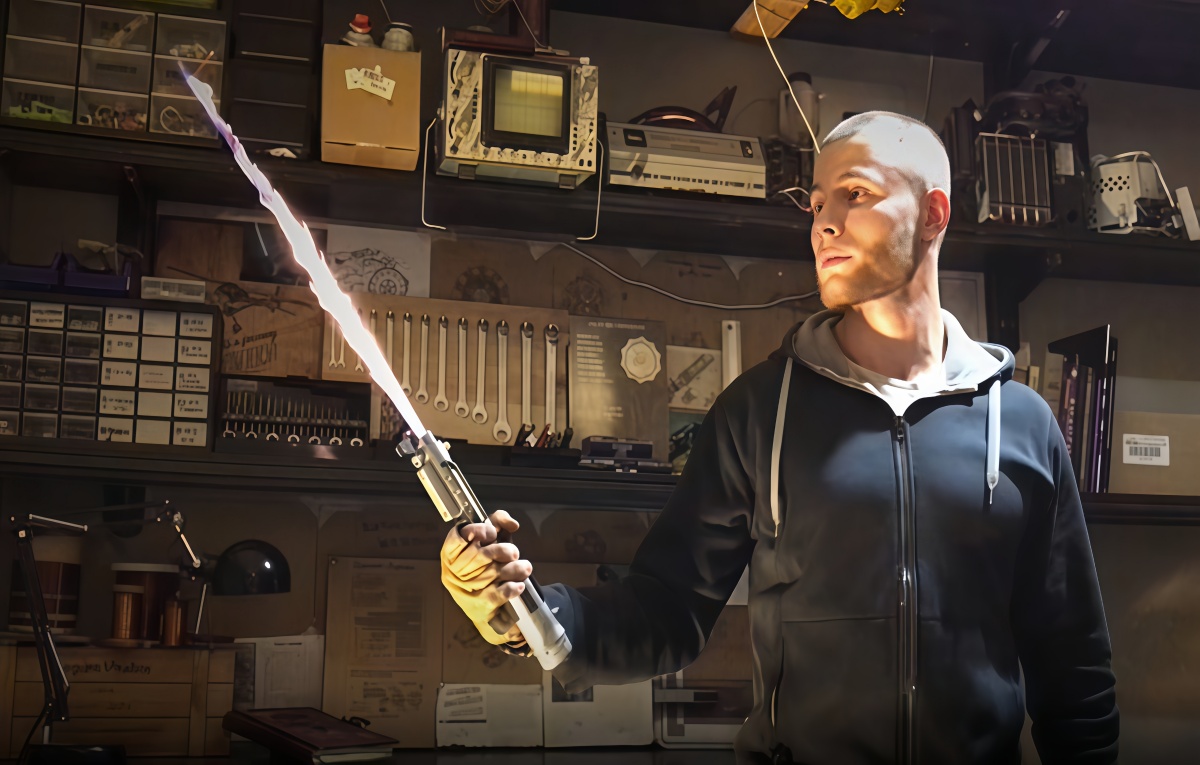
Image Courtesy of Guinness World Records
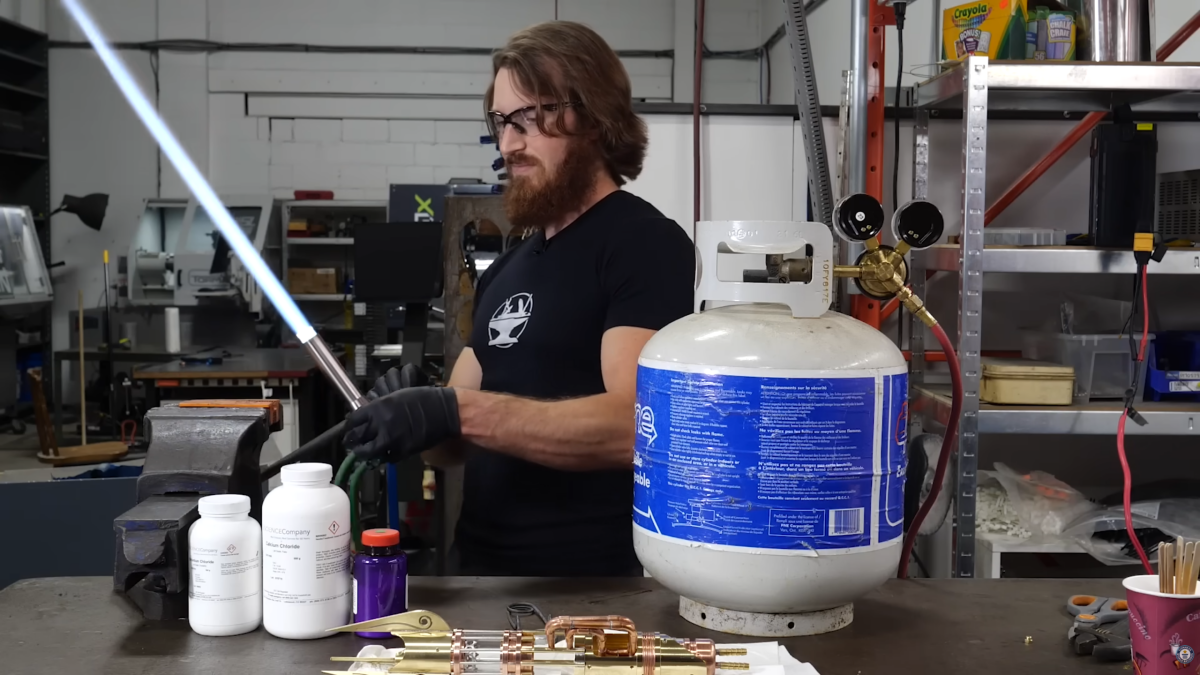
Image Courtesy of Guinness World Records
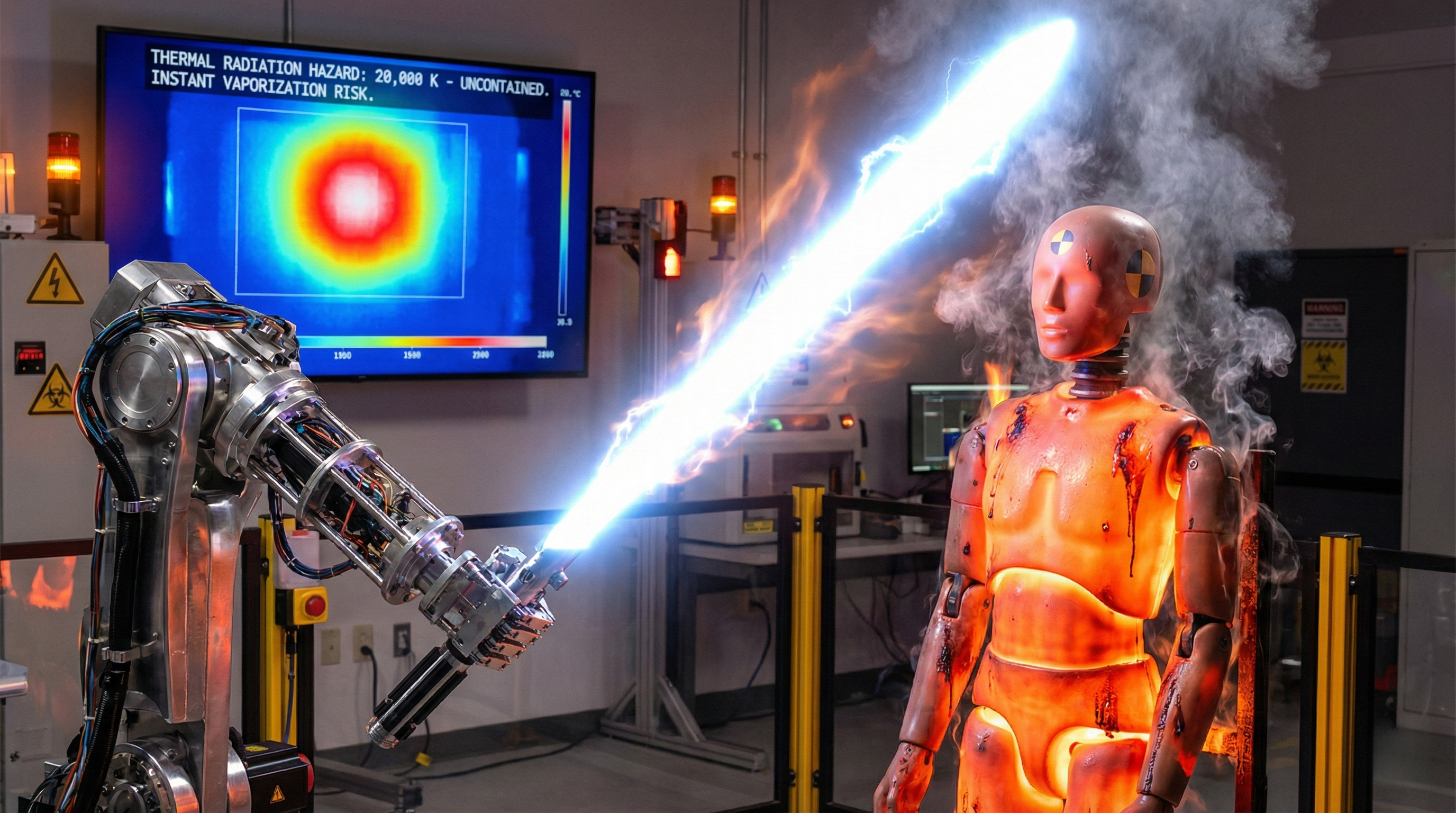
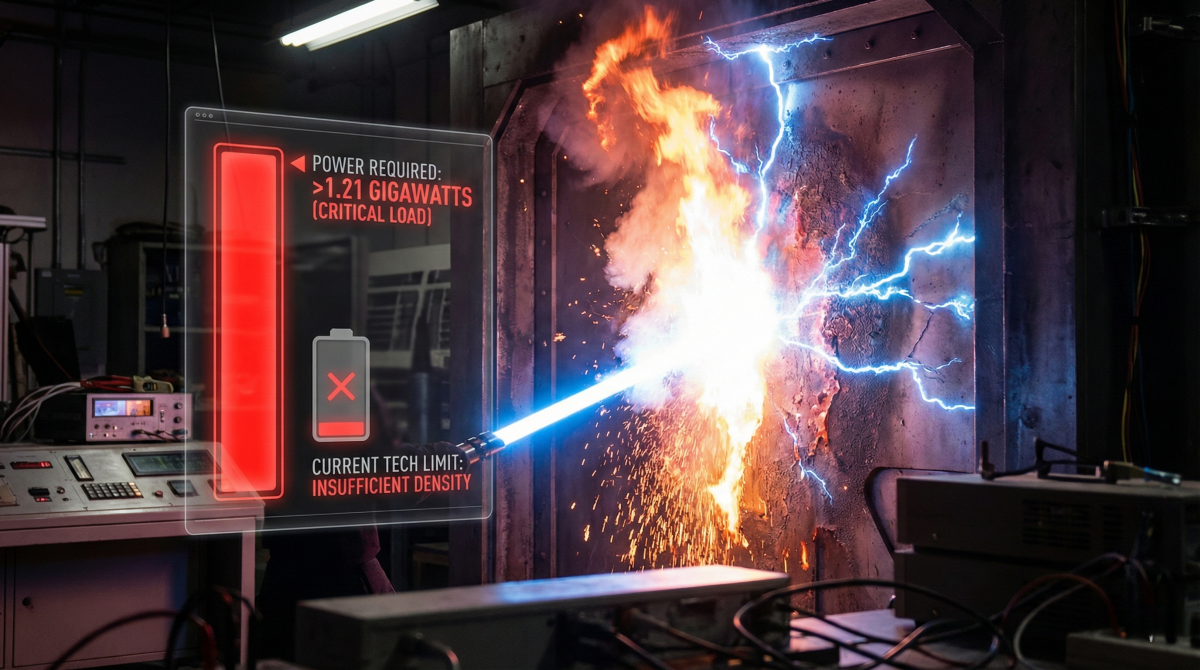
We will demonstrate that while a veritable lightsaber—a self-contained, meter-long beam of plasma that terminates abruptly—is currently impossible due to the laws of conservation of energy and the behavior of photons, the pursuit of its creation drives significant innovation. We examine the energy density requirements, calculating that cutting through a blast door requires gigawatts of power, necessitating an energy source denser than any known battery. Furthermore, we analyze the thermal radiation issues; a plasma blade at 20,000 Kelvin would vaporize its wielder instantly without a secondary containment shield.