 EN
EN

The State of Replicas Lightsaber:Polycarbonate&LED Tech (Neopixel,etc.)
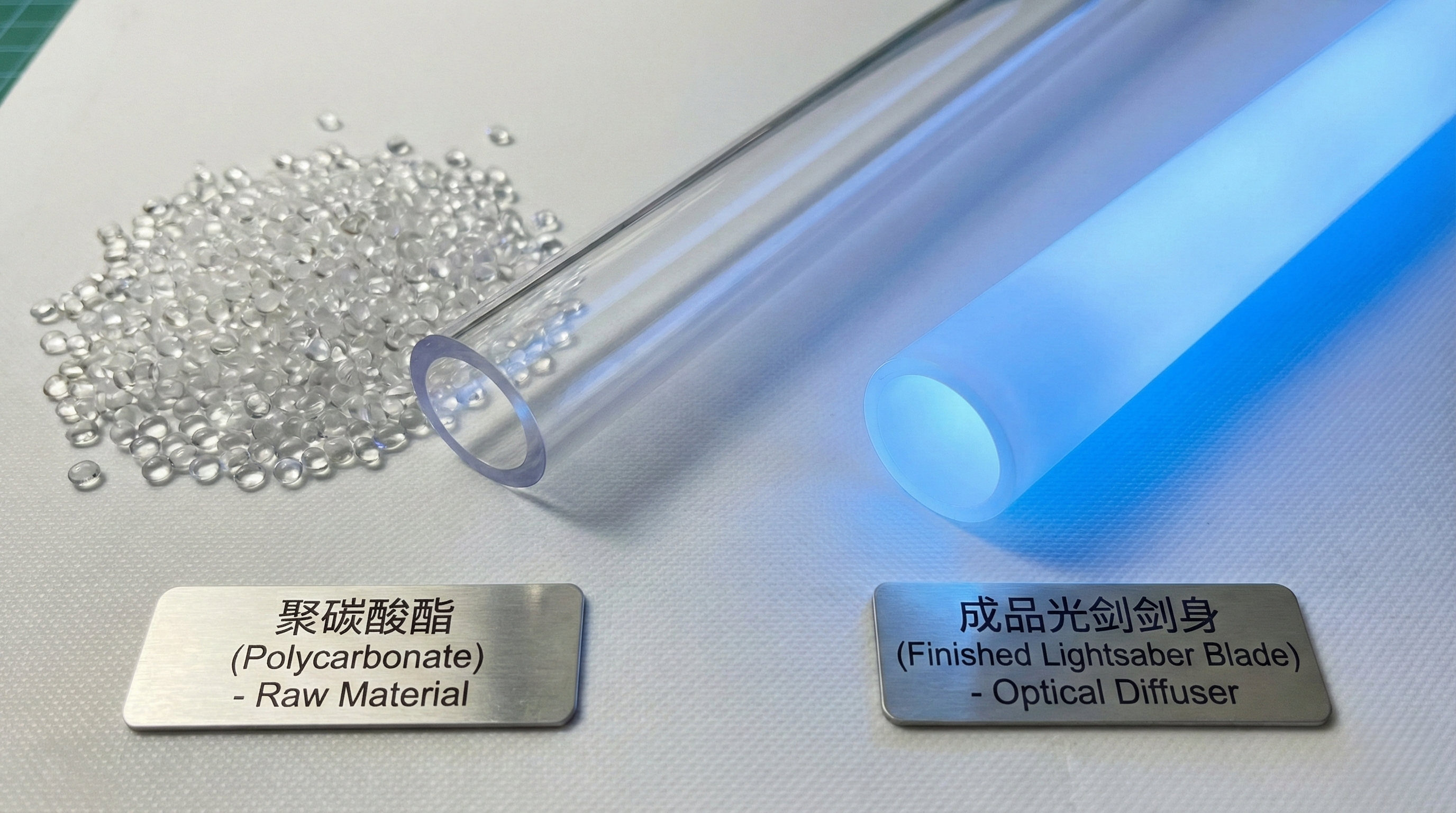
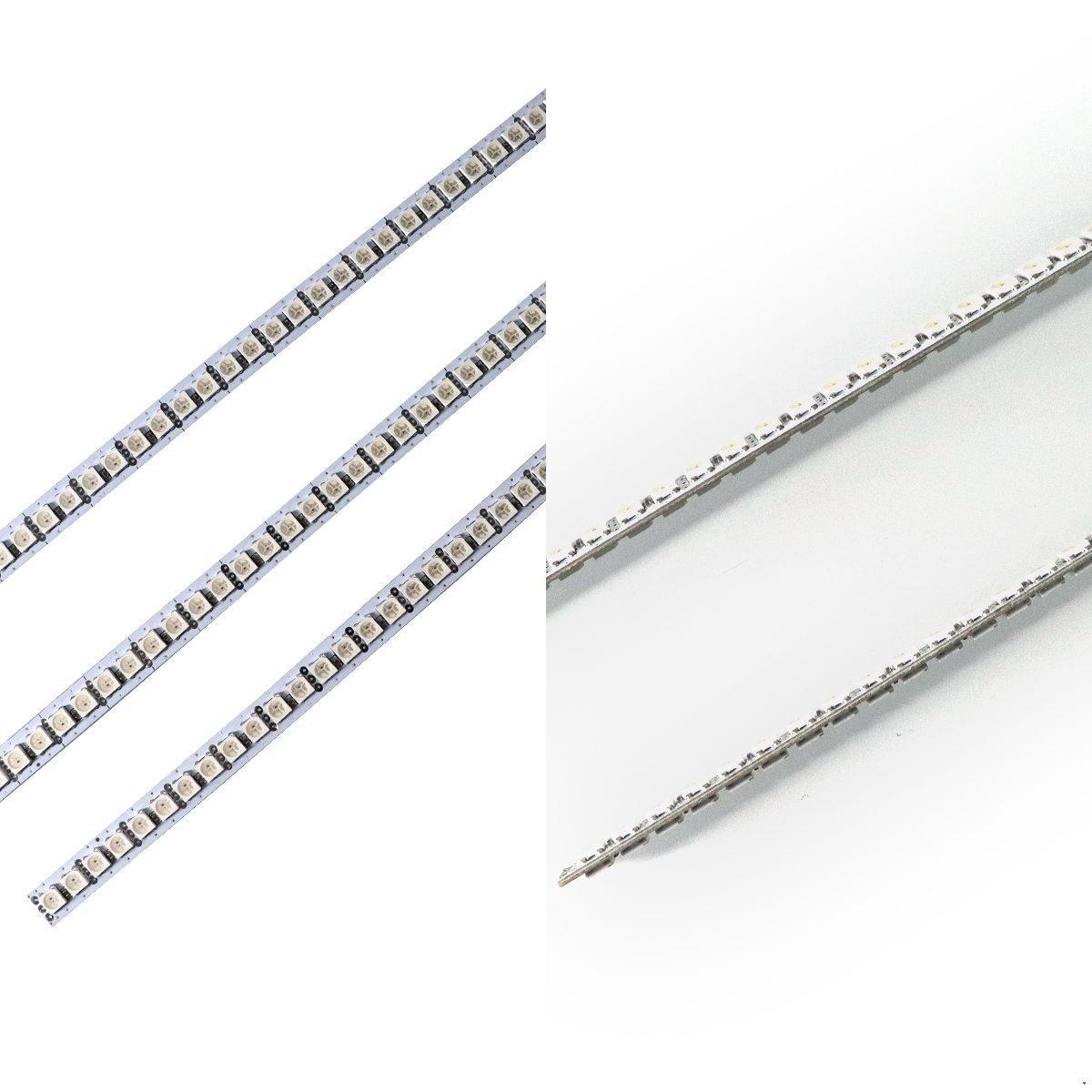
The modern lightsaber replica market has evolved from static plastic toys into sophisticated electronic devices utilized for cosplay,display,and full-contact dueling.The core of this technology revolves around the integration of durable materials with programmable microelectronics.The standard for blade material is polycarbonate,a thermoplastic polymer chosen for its high impact resistance and optical clarity.Unlike glass or standard acrylic, polycarbonate can withstand significant mechanical stress, making it ideal for"combat" sabers where blades physically clash.It serves as the diffuser for the lighting systems housed within.
Material Engineering: The Reality of Polycarbonate vs. Acrylic
A common misconception among enthusiasts is that high-quality lightsaber blades are fashioned from Acrylic (PMMA), the same material famous for creating massive viewing windows in world-class aquariums.While Acrylic is an exceptional material, engineering physics dictates that it is the wrong choice for a combat-ready blade. Blades are constructed exclusively from high-impact Polycarbonate (PC).The distinction lies in understanding Stiffness versus Toughness.
Acrylic (Aquarium Choice): Selected for its high stiffness. Under immense, constant static water pressure, it resists bowing and maintains optical clarity. However, under sudden, high-energy impact, acrylic is brittle and prone to catastrophic shattering.
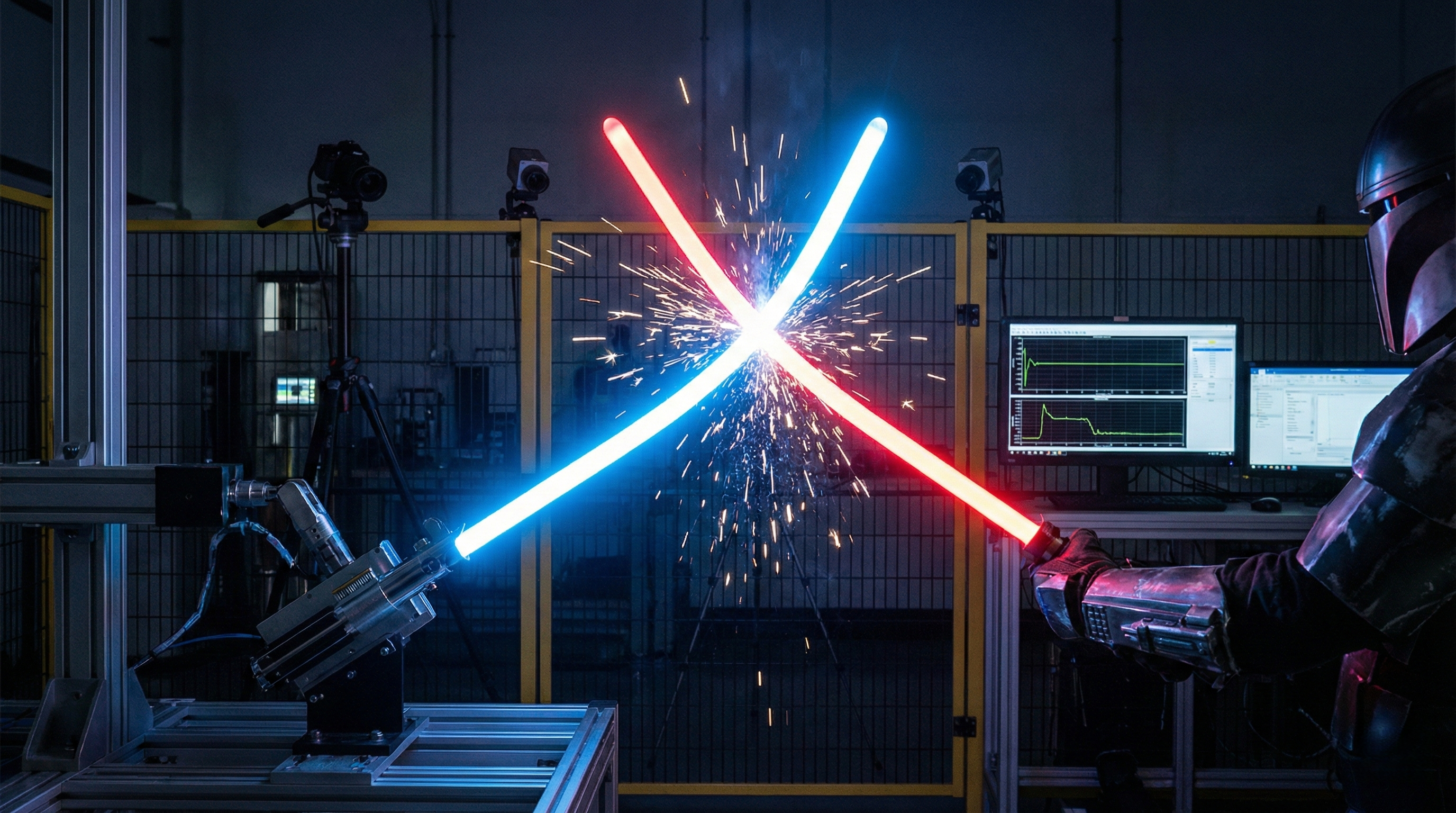
Polycarbonate (Combat Choice): Selected for its extreme toughness. It possesses the ability to absorb massive amounts of kinetic energy by momentarily flexing and deforming elastically, rather than fracturing.
The "Shark Cage" Proof
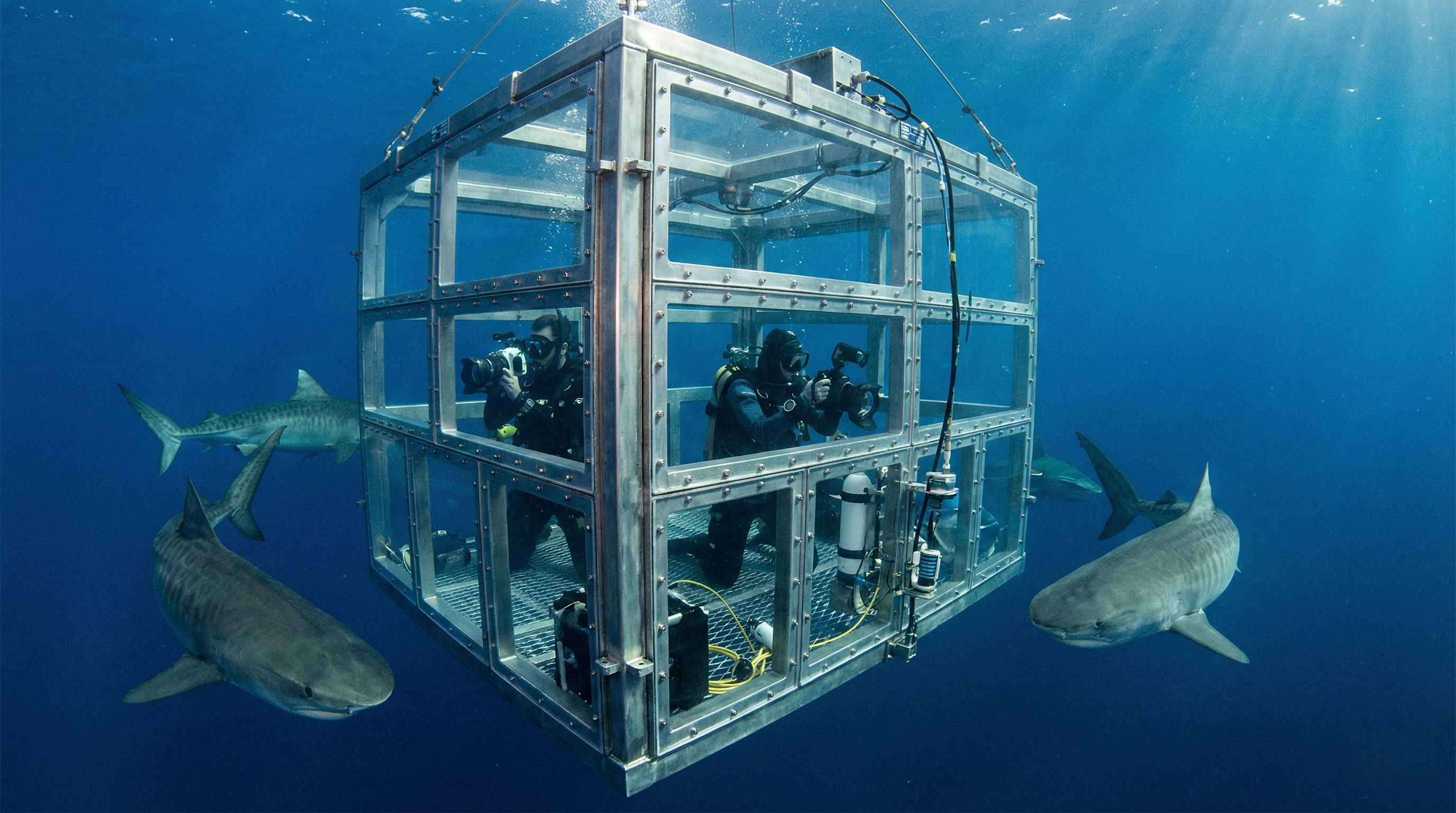
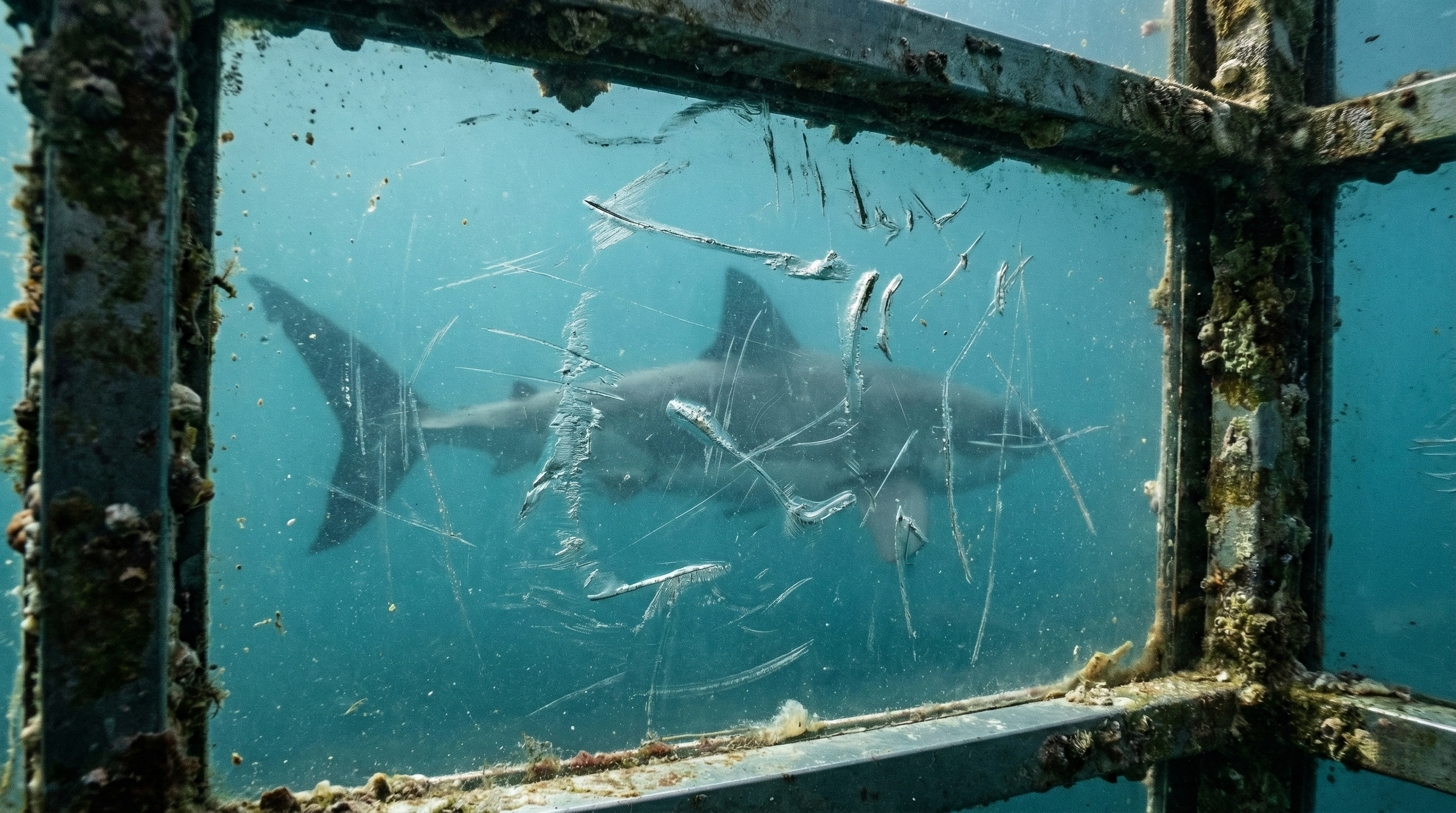
To understand why use Polycarbonate, look to one of the most demanding engineering environments on Earth: the transparent shark observation cage used by marine biologists.When designing a cage to withstand a direct ramming strike from a Great White Shark, engineers do not rely on aquarium acrylic. Survival in that scenario depends not on rigidity, but on shock absorption.Shark cages utilize heavy-gauge Polycarbonate panels. When a multi-ton predator impacts the cage, the Polycarbonate does not shatter like glass or acrylic would; instead, it visibly flexes, absorbing the dynamic impact energy and protecting the diver inside.Built for Impact, Not Static Pressure. Apply this exact engineering principle to blades. A lightsaber duel is not a static display; it is a series of violent, high-velocity impacts.Like a shark cage, a dueling blade must prioritize toughness above all else. While Polycarbonate may accumulate surface scratches—"battle scars"—over continued use, it is engineered to ensure that the blade will not shatter upon impact during full-contact dueling.