 EN
EN

System V:Lightsaber Core Structural Skeleton (Chassis)
The Chassis is the skeleton that holds all electronic organs in place. It must be rigid enough to protect the components, yet resilient enough to absorb shock during combat.
1. Manufacturing Process: Injection Molding vs. 3D Printing
This is the most critical decision in core production. We compare them across five key dimensions: Cost, Efficiency, Strength, Detail, and Finishing.
Cost Analysis
For Small Batches, 3D Printing is the undisputed winner. Since there are no mold fees, it is the cheapest option for custom or limited-run units. However, for Mass Production, Injection Molding becomes the cheapest. Although the initial mold tooling fee is expensive, the unit cost drops to pennies once mass production begins, maximizing the "Economy of Scale."
Lead Time & Efficiency
3D Printing is the fastest. You can print immediately, making it ideal for prototyping and instant iteration. Injection Molding is a slow process initially. The cycle of Mold Machining, Trial runs (T0/T1), and Modification takes 1-2 months. It is a long-term investment, not a quick fix.
Structural Strength
This is the most counter-intuitive yet critical engineering fact.
Many assume Metal 3D Printing is stronger, but they are wrong. A chassis typically has very thin walls. At this thickness, 3D printed materials (even metal) are brittle and prone to snapping under impact. Injection Molded Engineering Plastic (PC / PC+GF) is actually the strongest option. Polycarbonate (PC) is the same material used in bulletproof glass. It possesses superior Toughness (Impact Resistance), allowing it to flex slightly to absorb shock without breaking. A molded PC chassis will survive a drop that would snap a thin 3D printed metal skeleton.
Detail & Aesthetics
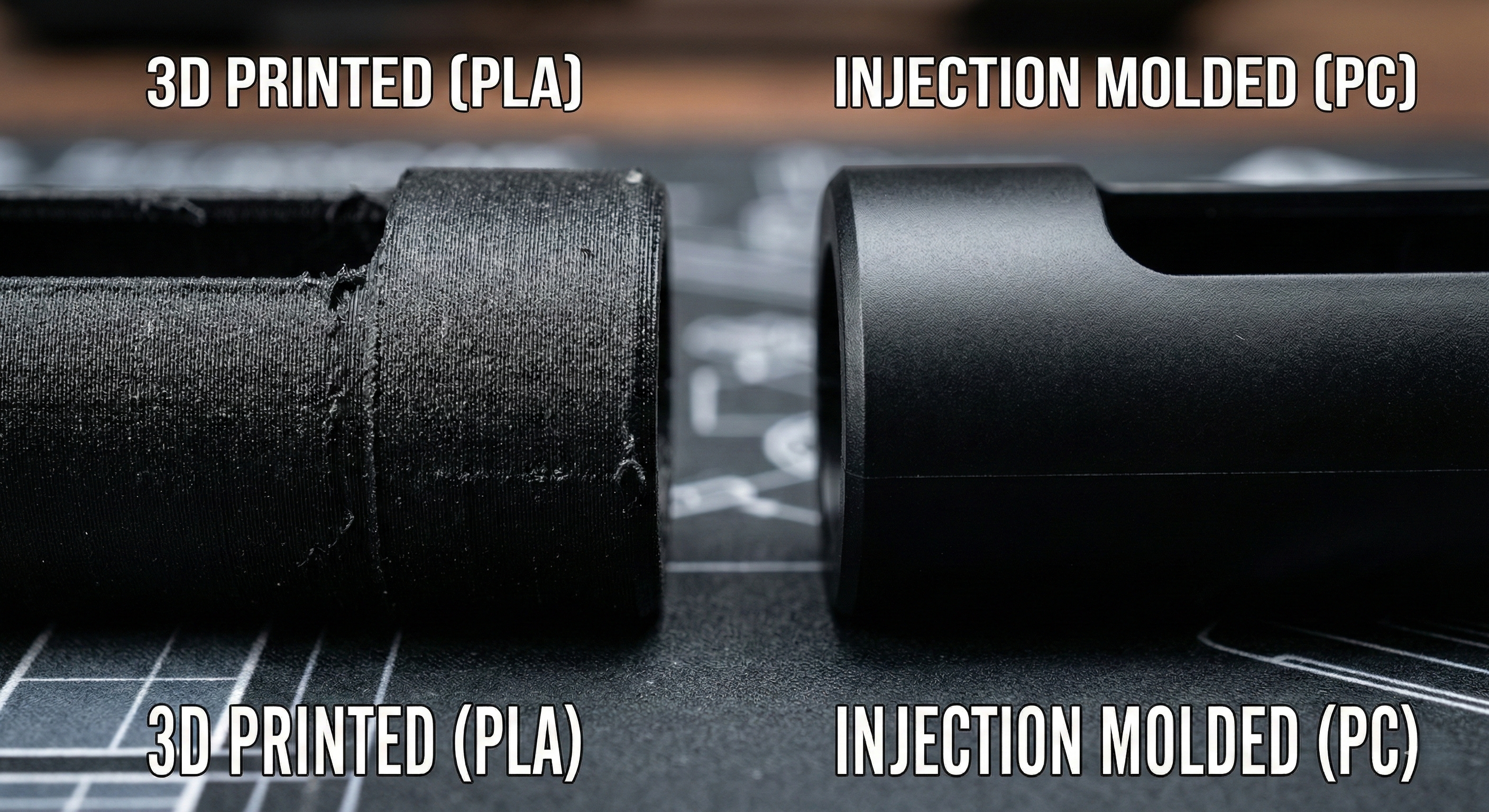
3D Printing has almost no refined detail; SLA prints show layer lines, and SLS prints have a grainy surface. It is impossible to achieve sharp internal snaps or micro-textures. Injection Molding, however, is precise. It can reproduce microscopic textures (like EDM patterns) and sharp, functional details that 3D printing simply cannot matching.
Surface Finishing
3D Printing is notoriously difficult to post-process, requiring manual sanding and filling, and is very hard to electroplate. Injection Molded parts are versatile; they come out of the mold ready for Plating, Painting, or Polishing, enabling complex cosmetic finishes.
2. Material Classes & Innovation
The Metal Chassis
While being the most expensive and premium option (CNC Machined Aluminum/Brass), it faces a safety challenge: Conductivity. A bare metal frame creates a short-circuit hazard for the electronics. Therefore, a metal chassis requires a precise Insulation Spray Coating or inserted plastic liners in the electronic bays to ensure safety.
The Hybrid Chassis
This approach combines the best of both worlds: Metal + 3D Printing, or Metal + Injection Molding. Can use metal for the visible structural spine or Crystal Chamber for aesthetics, and plastic for the delicate electronics holder to ensure insulation and fit.
The Innovation: "Faux Metal" Plated Chassis
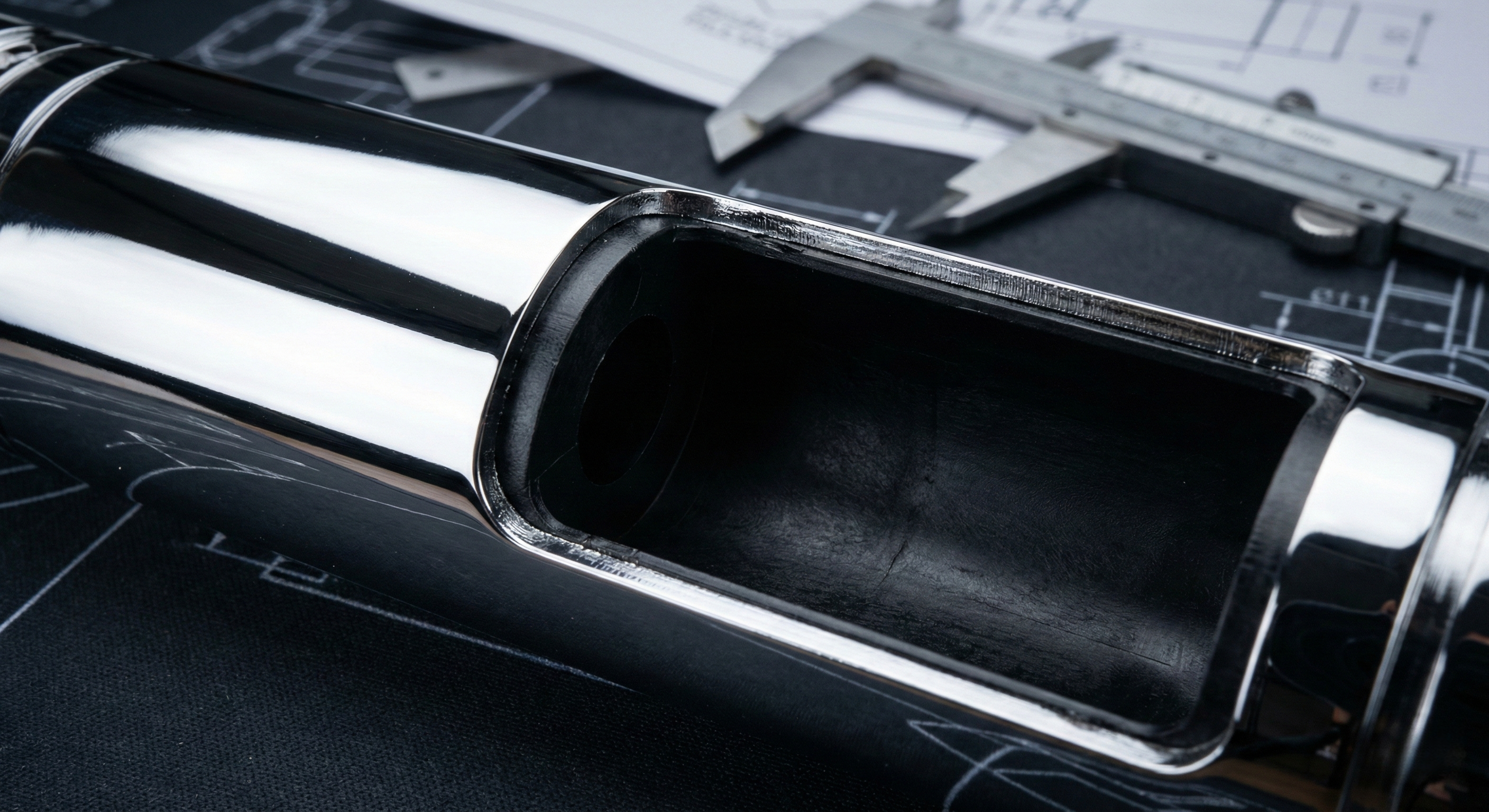
Utilize Injection Molded plastic as the base and apply a Food-Grade Insulation Plating (NCVM) process.
Visual: It looks 100% identical to polished Chrome or Gold metal, delivering a stunning visual effect.
Safety: Unlike real metal, the plating layer is Non-Conductive (Insulating), eliminating short-circuit risks.
Value: It achieves the premium look of metal at a fraction of the cost.
3. Crystal Chamber (The Soul)
The Crystal Chamber is the centerpiece of a chassis, simulating the "Kyber Crystal" power source.
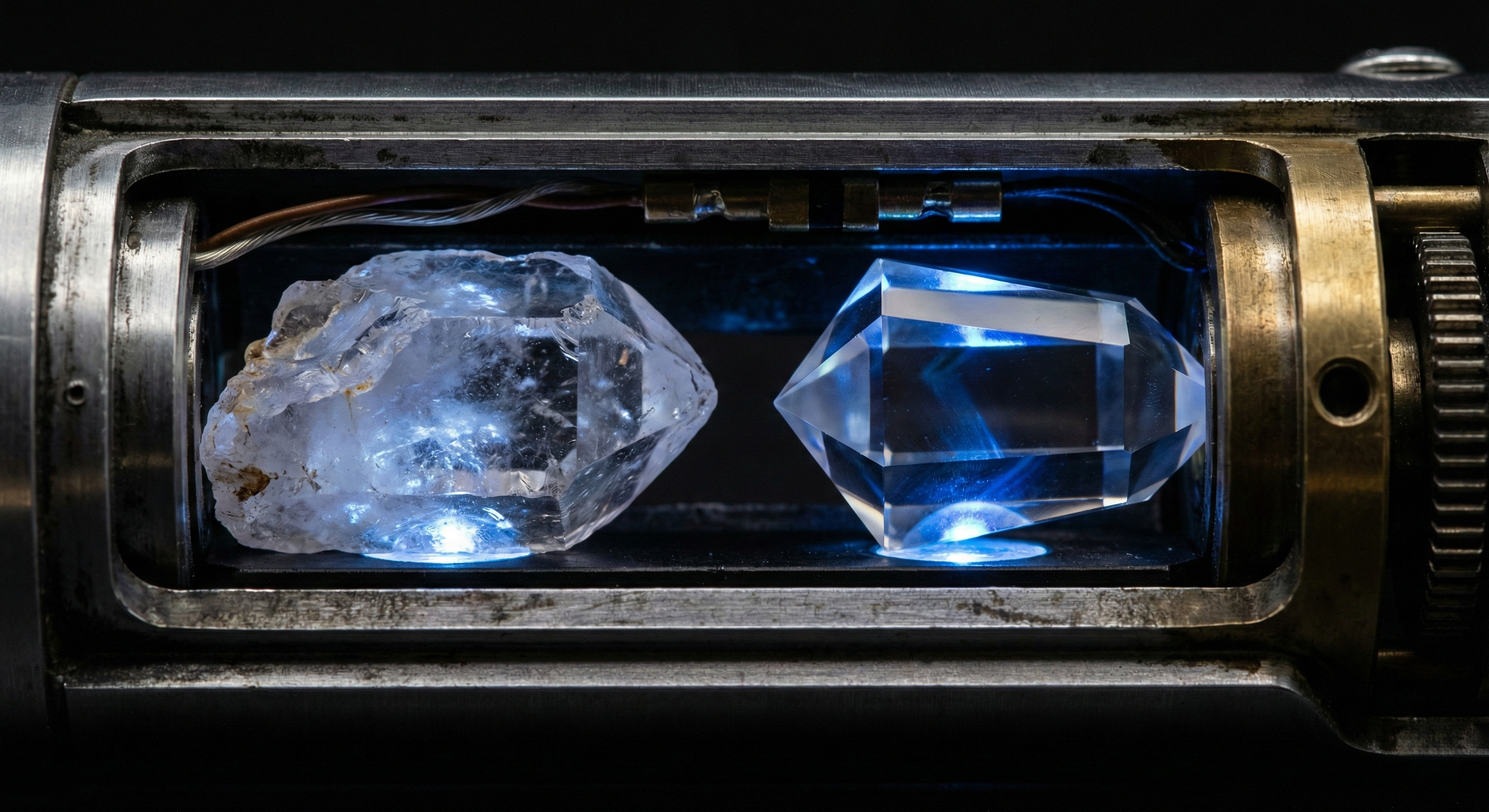
Synthetic Crystal (Molded): Made of transparent Acrylic or Resin via mold. They offer consistent shapes and perfect structural fit.
Natural Crystal (Real Stone): Real Quartz columns that require cutting and polishing (or left raw). Each piece is unique, offering high collection value.
Luxury Option: For ultimate refraction, can utilize Zirconia or even Diamonds.
4. Fasteners (Assembly Details)
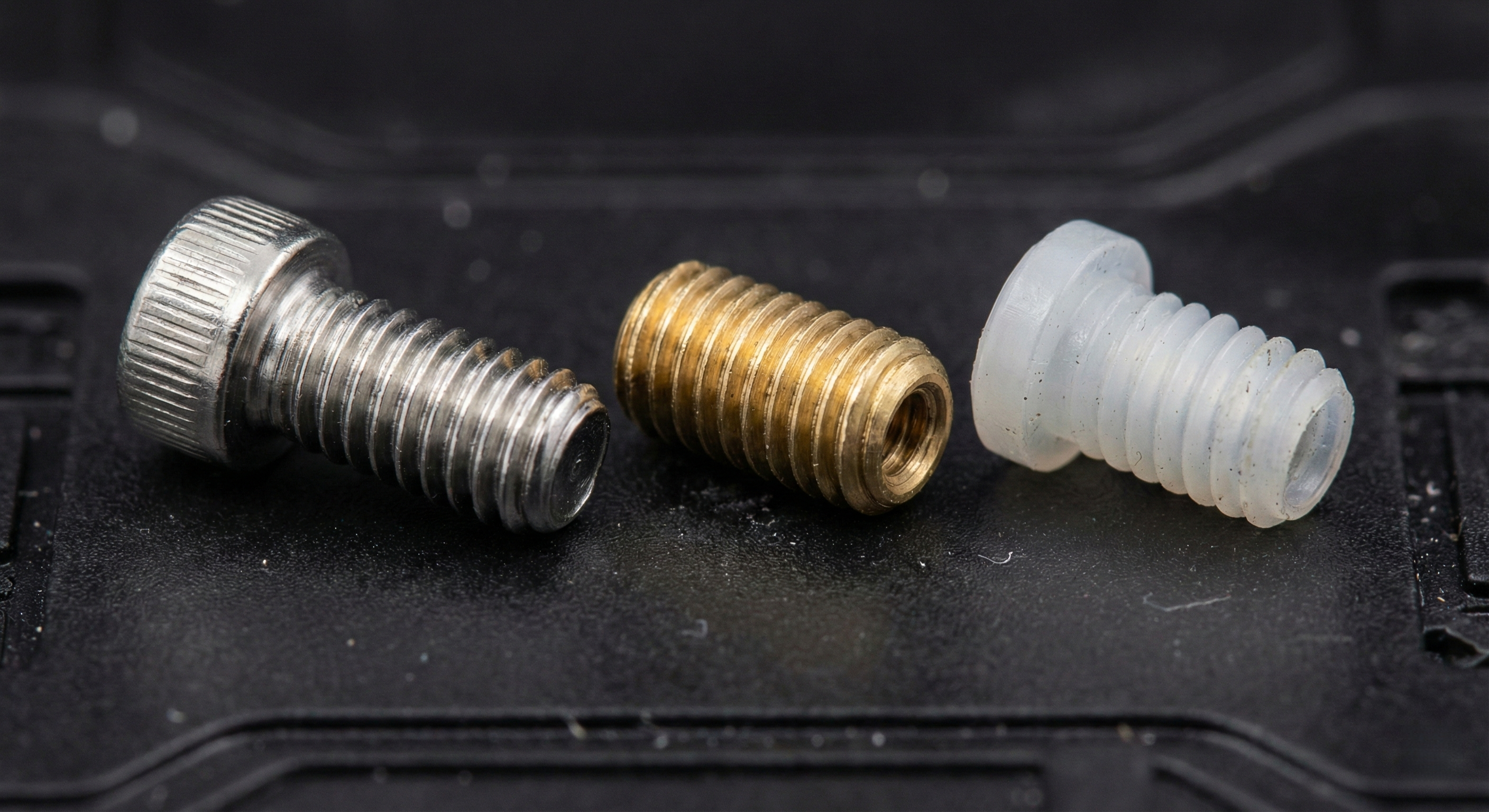
A core is held together by a variety of specialized screws. Can use Stainless Steel Hex Screws for structural strength, Brass Grub Screws for aesthetic detailing in the crystal chamber, and Nylon Screws near sensitive electronics to prevent electrical shorts.