
 EN
EN

Lightsaber Hilt Material Science: Engineering & Aesthetics
The choice of hilt material dictates not just the look, but the weight distribution, manufacturing cost, and tactile experience of the lightsaber. We categorize materials into five engineering tiers.
1.Core Metals
The foundation of 90% of the custom saber market.
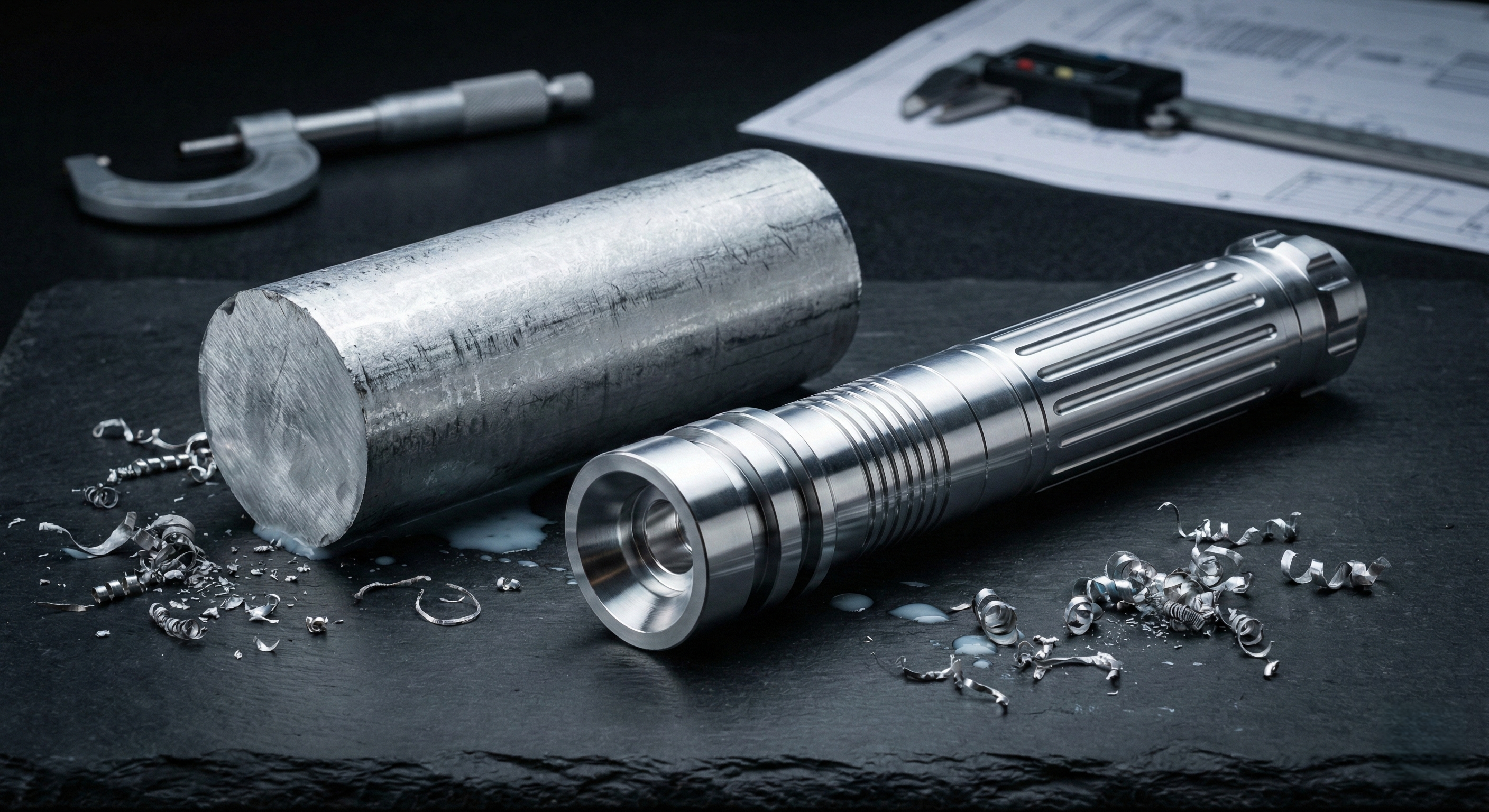
1.1.Aluminum
In the lightsaber industry, the choice of aluminum is not just about strength; it is a direct reflection of a manufacturer's cost structure and quality positioning. We break down the three common alloys based on the hidden realities of the supply chain.
6061&6063 Aluminum: The "Budget Trap" & The "Premium Paradox"
This is the most misunderstood material. It exists in two vastly different forms in the market:
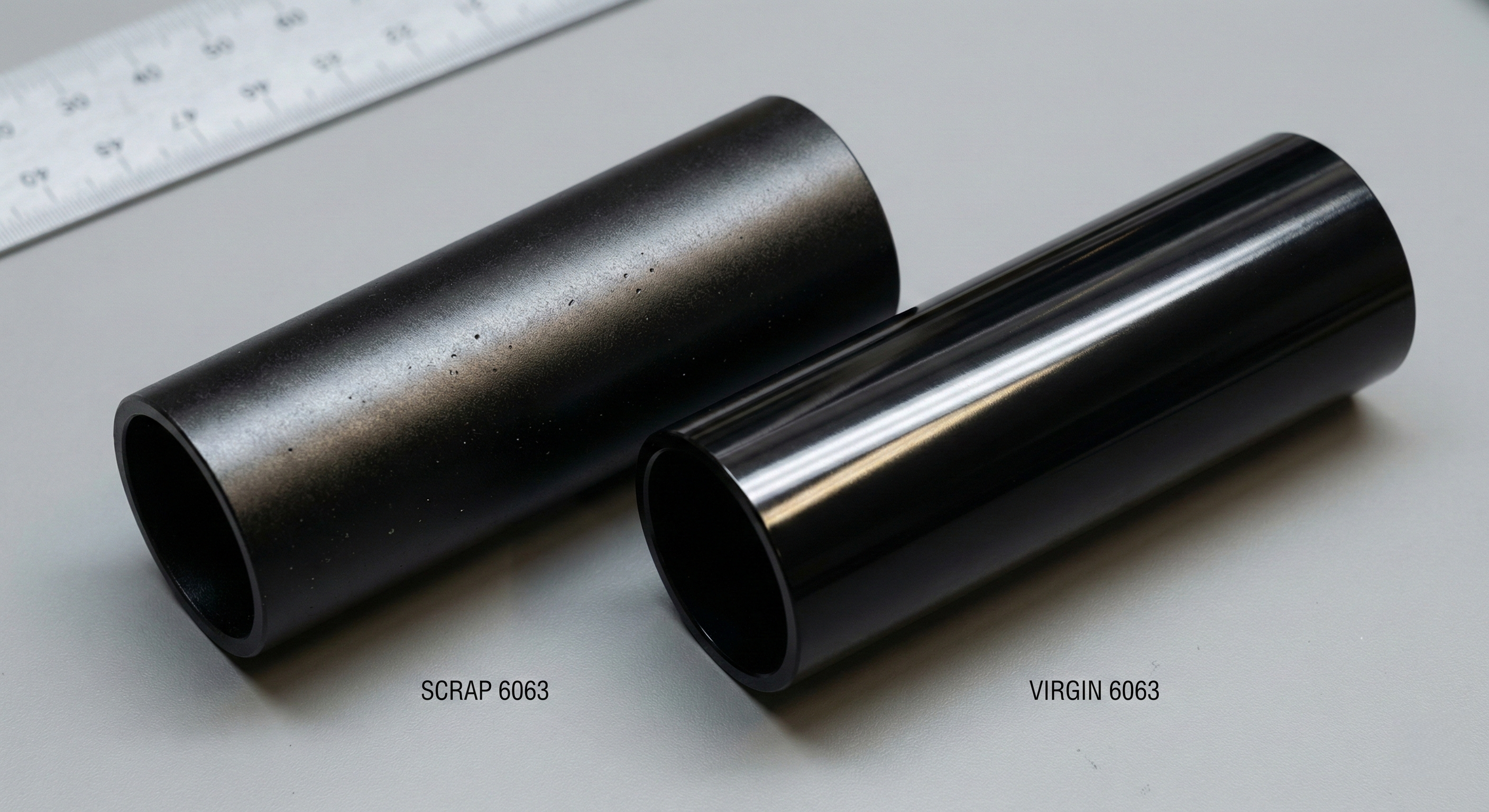
Type A: The "Dirty" 6063 (Low-End / Scrap Metal)
Who uses it? Budget saber companies and toy manufacturers.
The Logic: They utilize Secondary (Recycled) 6063, which is full of impurities like iron and zinc. This material is dirt cheap—cheaper than any standard 6063.
The Flaw: Because it is impure, it cannot be anodized cleanly. It produces ugly black spots and streaks. Manufacturers hide this by using thick Paint or rough Weathering to cover the defects.
Type B: The "Virgin" 6061 (High-End Standard)
The Reality: Pure 6061 (A00 Grade) contains expensive Copper and Chromium.
The Cost Paradox: Pure 6061 is more expensive than 6063 but produces a worse cosmetic finish (grainy/matte) due to its chemical composition.
Verdict: No smart factory uses Pure 6061 for mass production. It costs more and looks worse.
6063 Aluminum: The Smart Choice (The Sweet Spot)
The Material:Exclusively Virgin 6063-T6.
The "Surface" King: 6063 is chemically optimized for Anodizing. It relies on Magnesium and Silicon, lacking the disruptive impurities of cheap 6063. This allows for brilliant, saturated, and uniform colors (High-Gloss Silver, Deep Red, Royal Blue).
Production Logic: It offers high extrusion efficiency and low tool wear. It provides the Best Quality-to-Price Ratio. It is strong enough for heavy dueling while looking pristine.
7075 Aluminum: The Marketing Gimmick
The Lie: Sellers claim "7075 Aircraft Aluminum" implies superior quality.
The Problem: 7075 contains high Zinc levels. Zinc fights against the anodizing process, leading to unstable, yellowish, or blotchy colors.
The Truth: If a saber is advertised as 7075 but has a perfect, bright finish, it is likely a lie. If it is truly 7075, the manufacturer is paying a premium for a material that offers zero practical benefit (since the plastic blade will always break before the hilt).
1.2.Brass & Copper
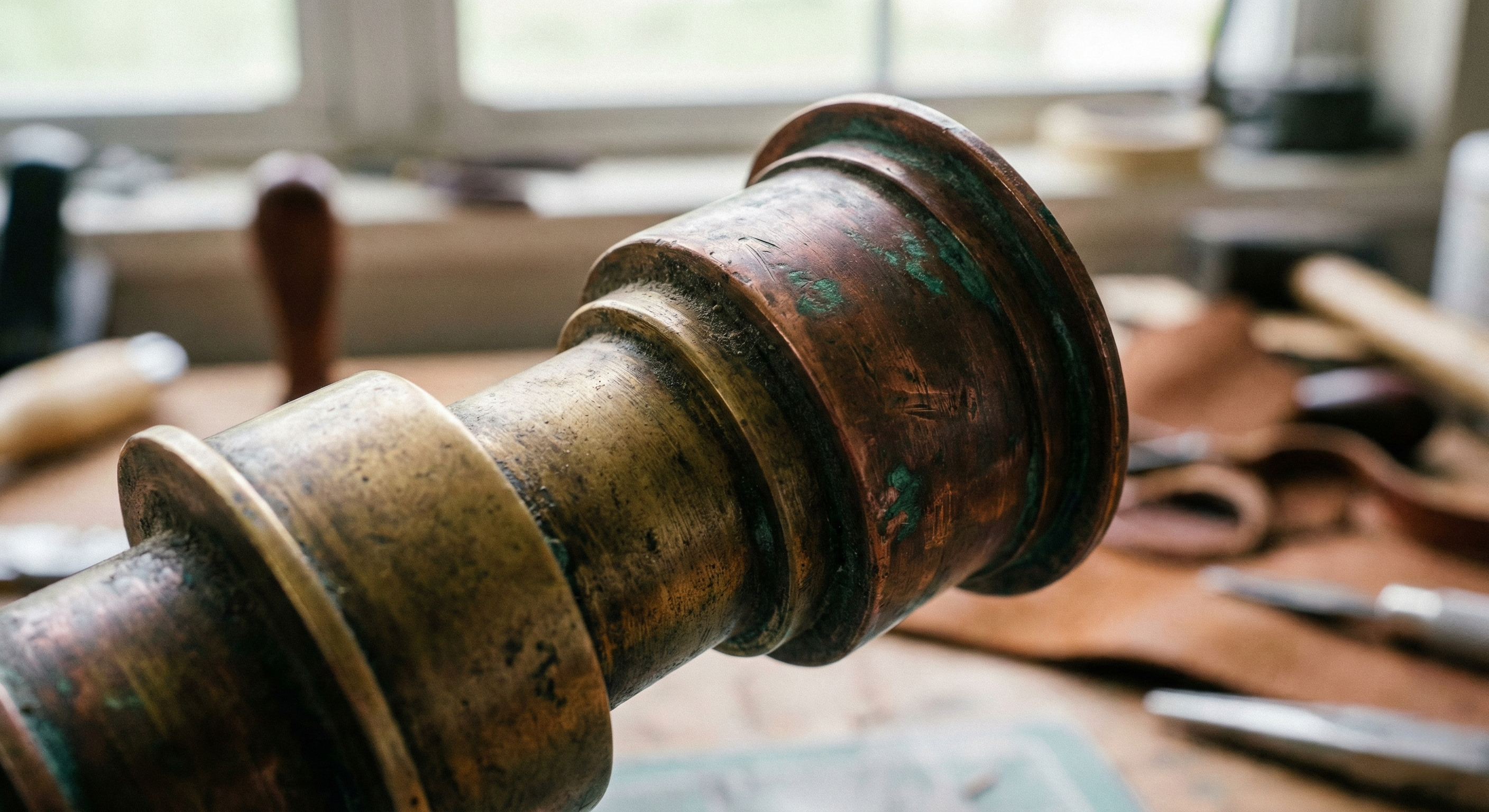
Application: Thin necks, emitter rings, and control boxes.
Aesthetic Physics (Patina): These metals oxidize naturally over time, developing a unique "Patina" (aging effect). Copper turns brownish-red; Brass turns dull gold. This creates an authentic "Old Republic" or vintage vibe.
Weight: significantly denser than aluminum, adding a premium "heft" to specific sections.
1.3.Stainless Steel
Application: High-wear components or counter-weights for shorter hilts.
Balance Physics: Steel is ~3x heavier than Aluminum.
Shoto/Yoda Style: For small hilts, aluminum feels too light (toy-like). Steel provides the necessary mass to balance the blade.
Thin Necks: To prevent snapping during combat.
1.4.Carbon Steel (Economy Grade) —— The "Heavy Metal" Strategy
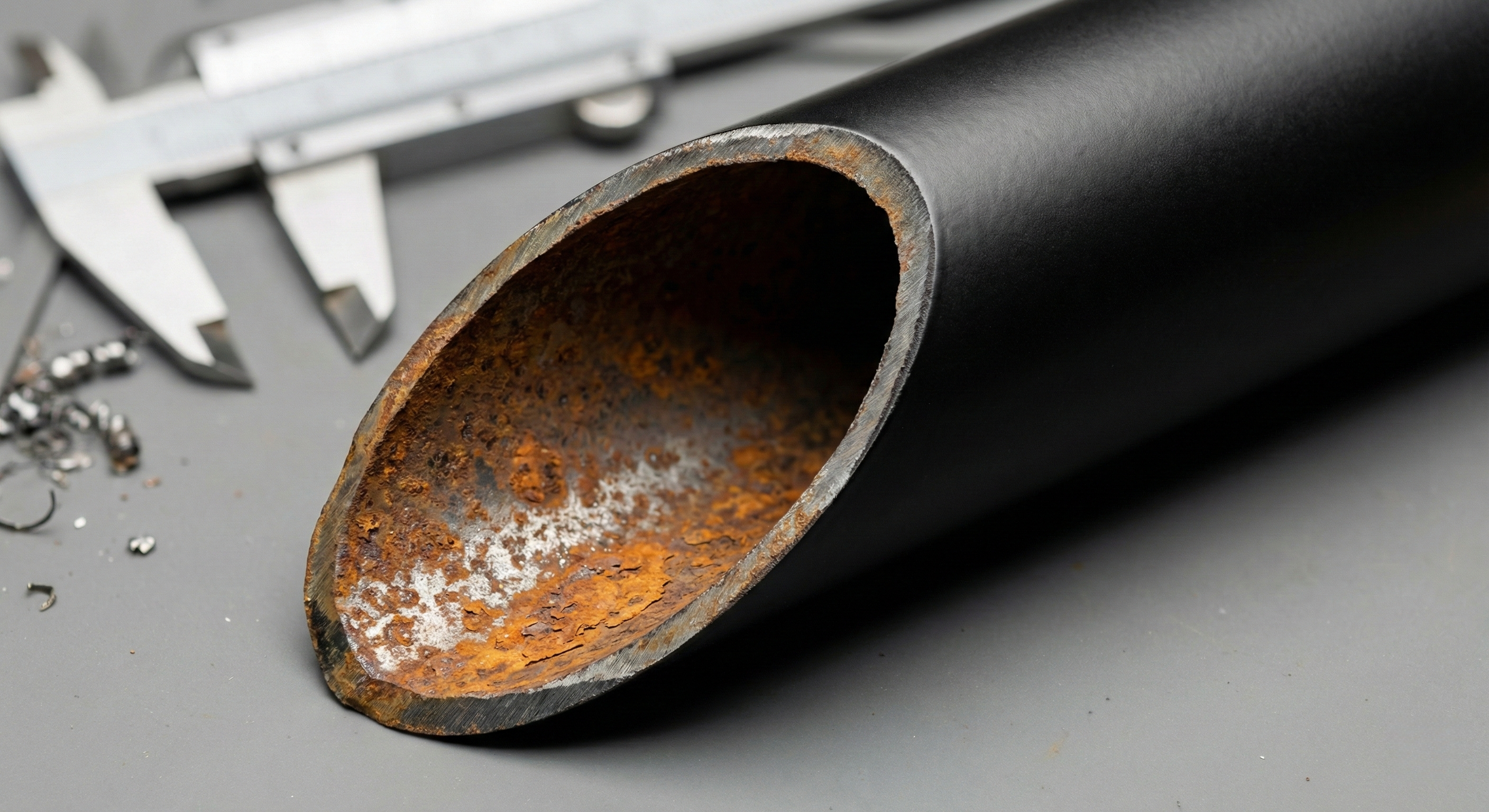
While Stainless Steel is for high-end parts, Carbon Steel (Low Carbon / Mild Steel) serves a massive role in the Budget Tier market.
The Manufacturing Logic: "Tube + Paint"
Raw Material: Factories buy off-the-shelf Q235 Carbon Steel Tubes (standard construction pipes). This is roughly 1/3 the cost of 6063 Aluminum.
Surface Condition: These tubes come with rust spots, oil, and rough extrusion lines. They are ugly.
The Savior: Powder Coating:
Because Powder Coating is thick (60-100μm) and opaque, it acts like a "makeup foundation." It fills in the pits and hides the rust without needing expensive polishing.
The "False Quality" Perception (Weight)
Density Physics: Steel (7.85 g/cm³) is nearly 3x heavier than Aluminum (2.7 g/cm³).
Consumer Psychology: Beginners often equate "Heavy" with "Quality." A cheap carbon steel hilt feels surprisingly heavy in the hand, tricking the buyer into thinking it's premium metal.
The Reality: It is actually Too Heavy for spinning or technical dueling. It causes wrist fatigue quickly.
The "Rust Time Bomb"
Risk: The powder coat is a plastic shell. If the user drops the saber on concrete and the coating chips off, the exposed steel will rust immediately.
Internal Rust: Most factories only powder coat the outside. The inside of the hilt is often raw, rusty steel. This stains the plastic chassis and smells metallic.
2. Exotic Materials
Materials for collectors who demand the extraordinary.
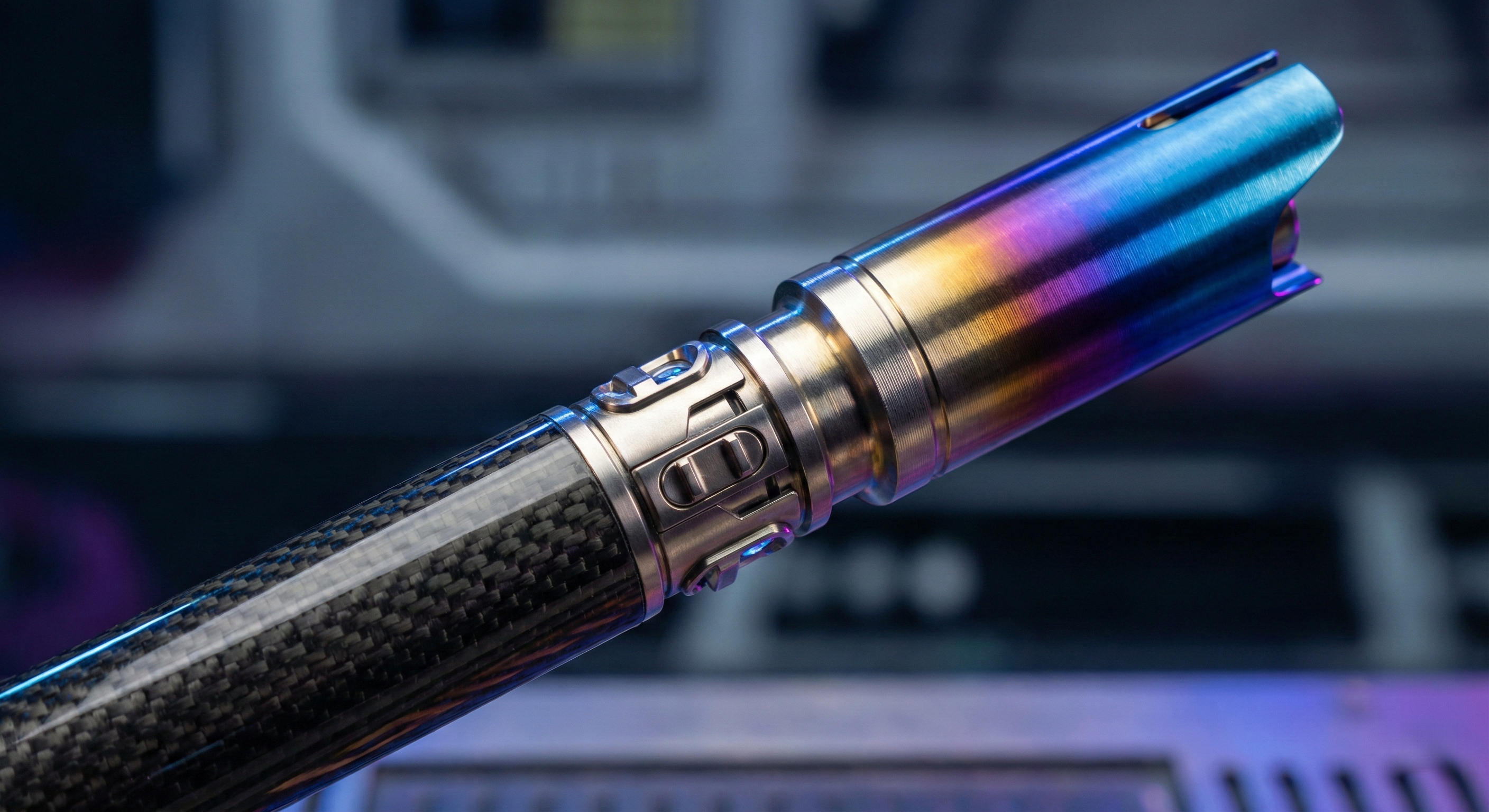
2.1.Titanium Alloy
Characteristics: Heavier than aluminum but lighter than steel. Extremely difficult to machine (high tool wear).
The "Burnt Blue" Aesthetic: Titanium can be heat-treated to create a natural iridescent "Heat Stain" (Blue/Purple/Gold gradient). This is a favorite among high-end enthusiasts.
2.2.Carbon Fiber
Characteristics: High tensile strength, ultra-lightweight.
Application: Used as structural tubes or overlays. It provides a distinct "Future Tech" or "Sci-Fi" visual texture.
3.Economy Materials
Solutions for mass market and complex geometries.
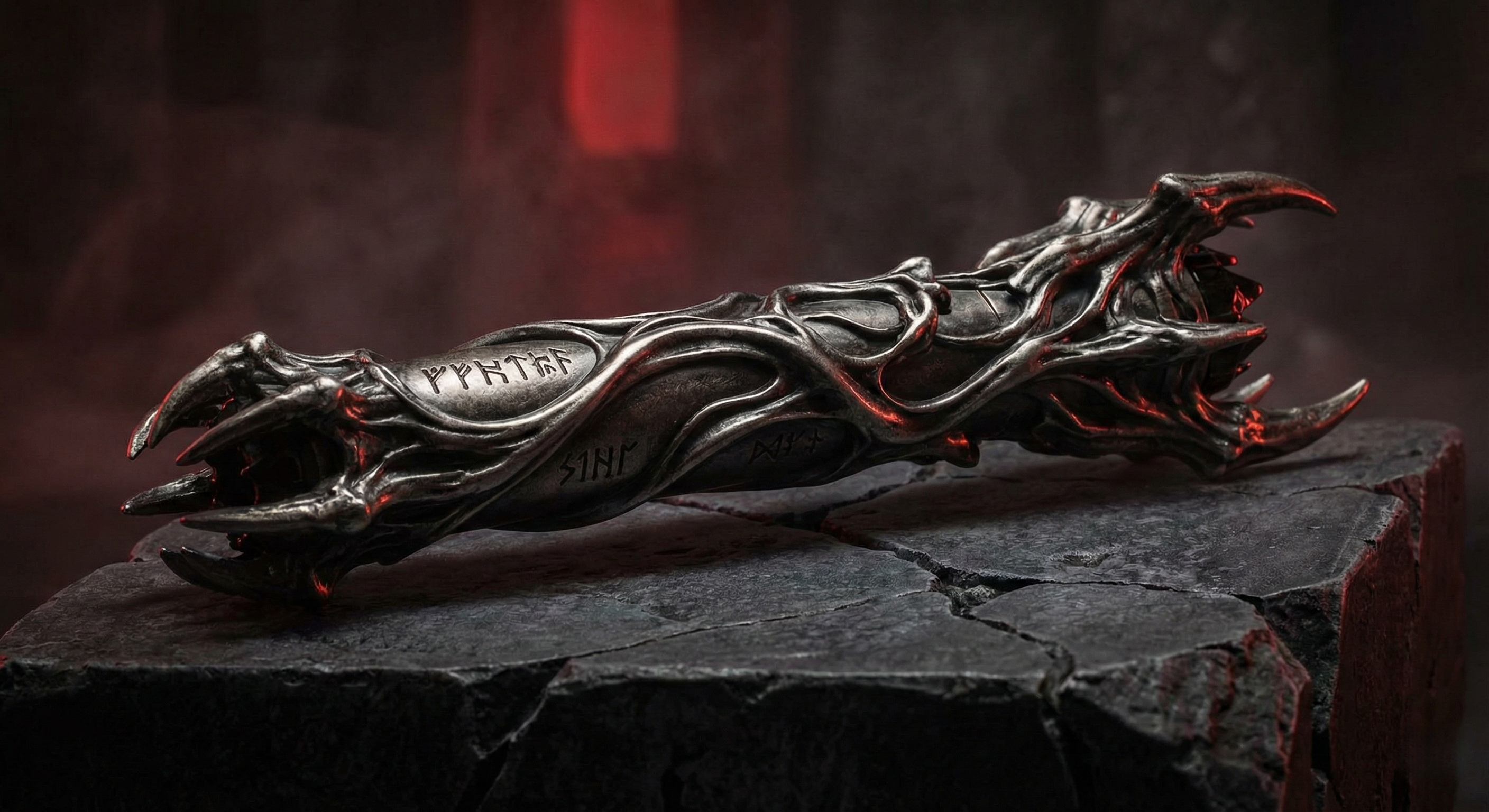
Zinc Alloy
Process: Die-Casting . Unlike CNC machining (cutting metal), liquid zinc is injected into a mold.
Cost Logic:
High Setup: Mold costs are expensive (requires volume).
Low Unit Cost: Very cheap per piece once the mold is made.
Detailing: Can achieve complex curves (like organic creature shapes) that are too expensive to CNC.
4.Soft & Grip Materials
For ergonomics and internal structure.
4.1.Engineering Plastics (Polycarbonate / ABS / PC+GF)
Application: Low-cost external shells or internal chassis.
Mass Production: For high-volume entry-level sabers, use Injection Molding with PC+GF (Glass Fiber Reinforced Polycarbonate) to ensure durability superior to standard ABS toys.
4.2.Silicone / Rubber
Application: Grip sections, such as the "T-Grips" on the Anakin/Luke Graflex. Provides friction and comfort.
4.3.POM / Delrin
Application: Internal structural parts, switch actuators.
Properties: Self-lubricating and high stiffness. Ideal for moving parts within the hilt mechanism.
5.Natural & Organic Materials
Fusion of ancient tradition and futuristic tech.
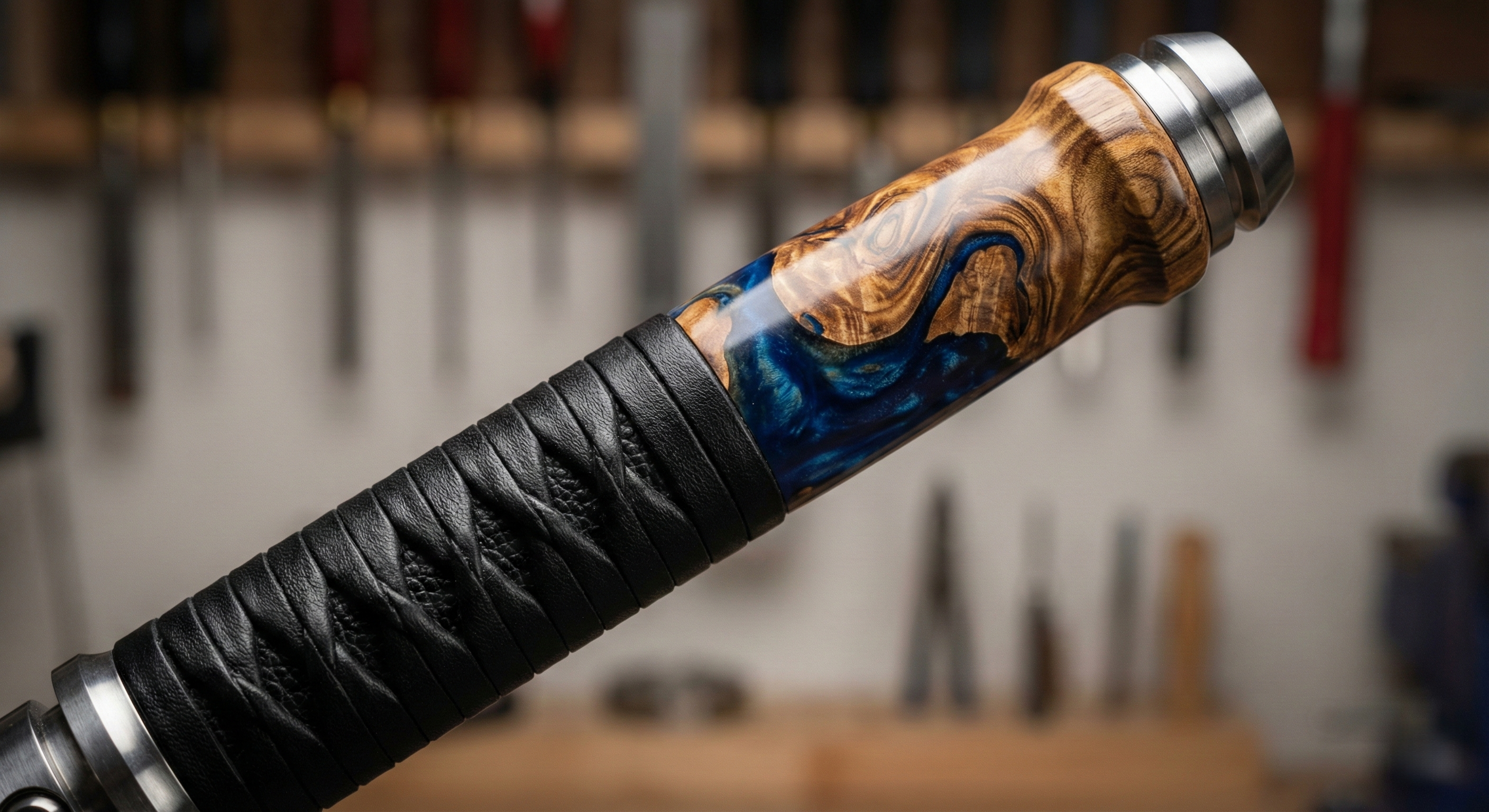
5.1.Leather
Application: Handle wrapping (Ito wrap or Tsuka-maki styles).
Material: Genuine leather offers sweat absorption and grip; PU leather is used for budget options.
5.2.Wood
Physics Challenge: Natural wood warps with humidity changes, potentially cracking metal parts or damaging electronics.
Solution: Stabilized Wood: Can use wood infused with resin under vacuum. This makes it as hard and stable as plastic while keeping the natural grain.
Finish: High-end replicas use real wood; budget models use Hydro-dipping (Water Transfer) for wood grain patterns.
5.3.Mother of Pearl / Bone
Application: Inlays for buttons or decorative panels in ultra-high-end customs.