
 EN
EN

'Mandalorian & Grogu' Stalls At $297M Worldwide — Its All-In Cost, And Less Than Half Its Breakeven
Disney and Lucasfilm’s first Star Wars feature in seven years posted the steepest second-weekend drop in franchise history and is tracking to a projected net theatrical loss of $140 million to $160 million.
By Hollywood Business News Staff | June 11, 2026
LOS ANGELES — Three weekends into release, Disney and Lucasfilm’s “The Mandalorian & Grogu” has grossed $297 million worldwide, almost exactly the roughly $300 million spent to produce and market it, after a 70% second-weekend decline that set a franchise record for the worst sophomore drop in Star Wars history.
Through June 11, the Jon Favreau-directed film, starring Pedro Pascal, has taken $159 million in the U.S. and Canada over 21 days and $138 million from international markets, and has dropped out of the domestic weekend top five. It opened on May 22, 2026, the first Star Wars feature in theaters since 2019’s “The Rise of Skywalker.”
Analysts tracking the run project a final worldwide gross of $320 million to $350 million and a net theatrical loss to Disney of $140 million to $160 million — a result they characterize as one of the studio’s most significant financial setbacks on the Star Wars franchise.
A record drop in the sophomore frame
The opening was soft by franchise standards: $98.1 million over the four-day Memorial Day weekend, and $81.7 million across the traditional three days. That is the lowest North American debut of any Disney-era Star Wars release other than “Solo: A Star Wars Story,” which bowed to $84 million.
The second frame is where the run turned. “The Mandalorian & Grogu” fell to third place with $25 million, a 70% decline measured against the three-day opening figure and the worst second-weekend drop in franchise history. Holiday launches front-load the opening frame and routinely produce steeper sophomore declines, but no Star Wars title has held worse. Weekend three fell a further 60%, to $10 million, and the worldwide cume has since flatlined at $297 million with virtually no commercial momentum left in the run.

Subscribers did not become ticket buyers
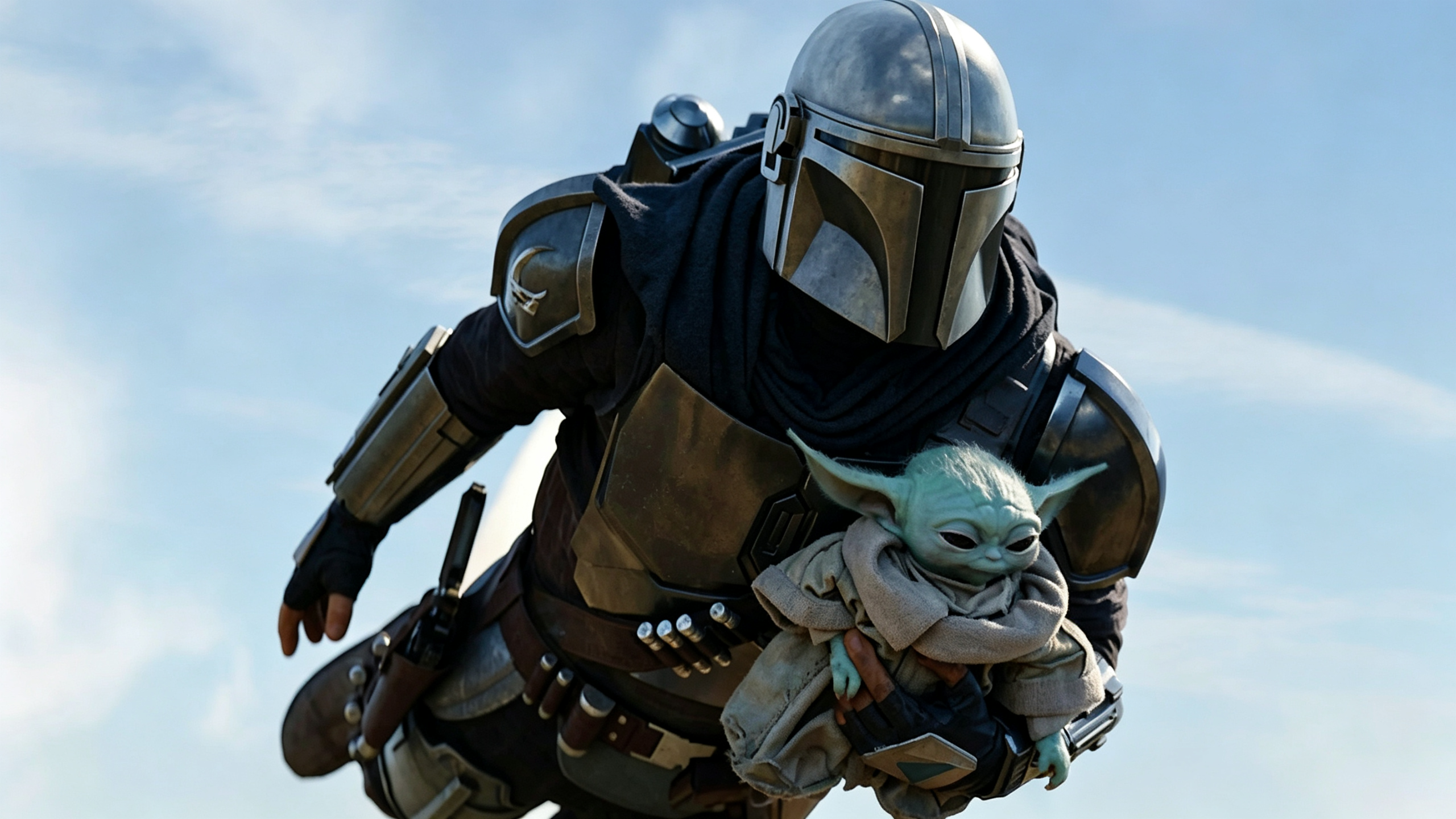
“The Mandalorian & Grogu” was originally conceived as the fourth season of Disney+’s flagship series “The Mandalorian,” and rerouting it into cinemas was a live test of whether subscribers could be converted into paying ticket buyers. On three weekends of evidence, they were not.
“Audiences have grown accustomed to watching the heartwarming adventures of Din Djarin and Grogu in the comfort of their homes for ‘free,’” a prominent box office analyst said. “When Disney asks them to pay $15 to $20 per ticket for what feels structurally like a glorified TV episode, the market responded with a firm rejection.”
Mediocre word of mouth compounded the decline. The film holds a 62% approval rating on Rotten Tomatoes and an “A-” CinemaScore, and drew wide criticism for overlong action sequences and an episodic plot structure that reviewers said lacks the epic scale required of a theatrical Star Wars feature. An A- normally signals strong legs; this picture drew one and still surrendered 70% of its gross in a week.
It needs $600 million to break even
The net production budget was $165 million, the figure left after a $21.755 million California tax credit. Global prints and advertising added approximately $135 million, taking the all-in cost to roughly $300 million.
Under standard distribution terms, a studio keeps roughly 50% of the domestic gross and 30% to 40% of the international gross as film rentals. Those splits are why the worldwide theatrical breakeven threshold on a picture carrying this cost is estimated at $600 million to $700 million — more than double what the film has taken in three weekends.
On a $320 million to $350 million worldwide finish, the same splits cap Disney’s recovery from theaters at around $140 million to $160 million, roughly half the all-in cost and the arithmetic behind the projected loss. That figure covers theatrical only: home entertainment, television licensing and the title’s value on Disney+ sit downstream, while talent participations and residuals push true recoupment above the quoted breakeven.
Theatrical is also not the whole ledger. Grogu, popularly known as Baby Yoda, remains one of the most commercially successful characters in Star Wars history and a durable performer at retail. Analysts predict that licensed toys, apparel and lifestyle merchandise — sold by Hasbro and Lego under license from Disney, and through Disney’s own retail channels — will generate hundreds of millions of dollars in gross profit over the coming years. That royalty and retail income is expected to cushion the box office losses, but it accrues in a different part of Disney’s business and does not make the film profitable.
Pressure on the Lucasfilm slate
The result lands on a division already under scrutiny. Dave Filoni, who recently stepped into a more active creative leadership role as Lucasfilm’s chief creative officer, had previously outlined a slate of interconnected Star Wars films.
Industry insiders expect Disney CEO Bob Iger to tighten budget controls on Lucasfilm’s upcoming unannounced theatrical titles, and say some projects in development are likely to be shelved indefinitely or redirected back to streaming platforms.
Disney bet roughly $300 million that subscribers would buy tickets. Three weekends in, the box office has returned $297 million — and less than half of that will reach the studio.